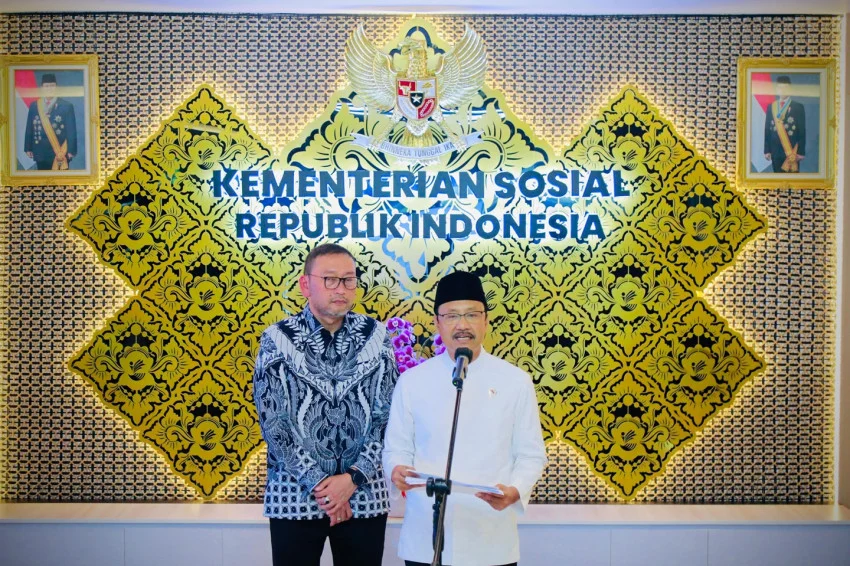
Indonesia Investigates 1,747 PKH Assistants for Irregularities, Rp7.9 Billion to be Returned
Indonesia's Ministry of Social Affairs is investigating alleged irregularities by 1,747 Family Hope Program (PKH) assistants, as found by the State Audit Board (BPK). Over Rp7.9 billion in improper benefits have been identified and must be returned to the state.
This article requires PRO
This article is outside the free access window or is a special report. PRO unlocks it and the full archive.
Related articles
- Southeast Asian Urban Rail Booms, Driven by Chinese Expertise
Southeast Asian cities are experiencing a golden age of urban rail development, fueled by rapid economic growth and Chinese technical expertise. Major projects are underway in Jakarta, Bangkok, and other cities, driving modernization of regional transportation infrastructure.
- Asian Christian Networks Shape Support for Israel Amid Global Pressure
Christian leaders from across Asia are leveraging global networks to express solidarity with Israel, forming a significant support bloc amid growing international pressure on the Jewish state.
- Sumatra Disaster Recovery: National Roads and Bridges 100% Restored, Regional Infrastructure Still Underway
Recovery efforts in Sumatra, Indonesia, following natural disasters have seen national roads and bridges in Aceh, North Sumatra, and West Sumatra fully restored. However, regional infrastructure and housing reconstruction are still ongoing, indicating a longer path to full community recovery.
- Sumatra Disaster Recovery: National Roads and Bridges Fully Restored, Reports Task Force
Indonesia's National Task Force (Satgas PRR) announced that the recovery of national roads and bridges following disasters in Sumatra has reached 100% completion. Infrastructure restoration is crucial for regional economic revitalization.