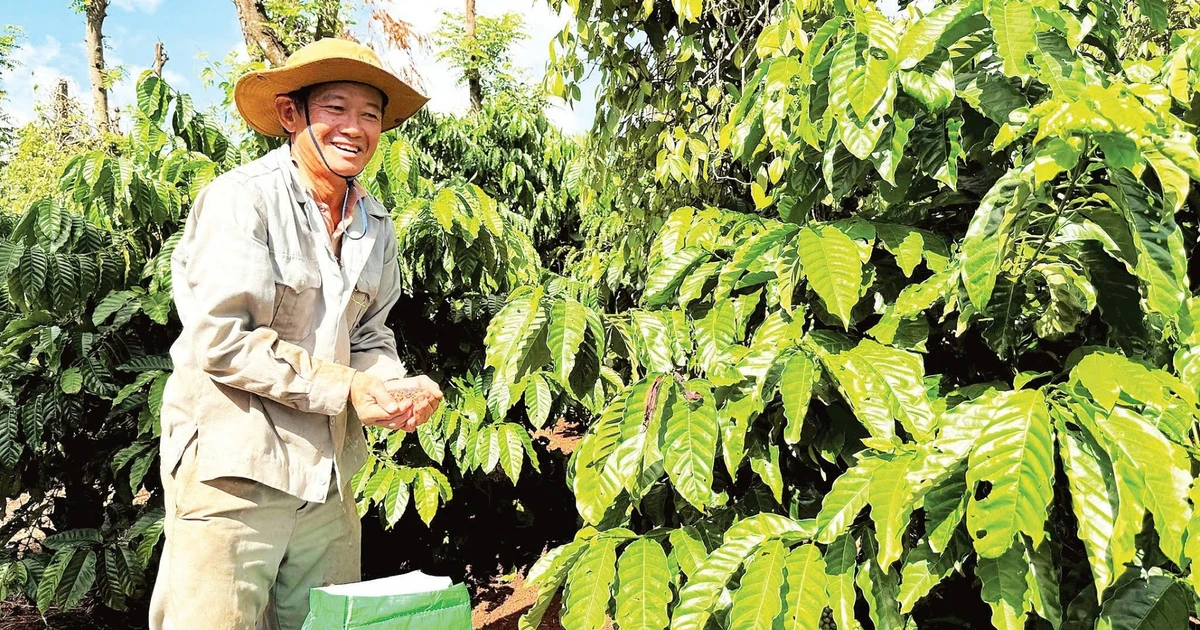
Vietnam Coffee Faces Price Surge Due to El Niño, Quality Improvement Key to Sustained Growth
Economy
2026年7月17日
7
Nhan Dan
Relations
🇻🇳Vietnam🇪🇺European Union

Vietnam Coffee Faces Price Surge Due to El Niño, Quality Improvement Key to Sustained Growth

AI サマリー

Vietnam's coffee prices are surging due to global supply concerns from El Niño. However, to meet new regulations like EUDR and the demand for high-quality, sustainable products in developed markets, quality improvement and greening of the supply chain are crucial for sustained growth.

Vietnam's coffee industry is facing an opportunity for export price recovery due to global supply concerns stemming from the El Niño phenomenon. However, to translate this short-term benefit into long-term growth, improving quality and establishing sustainable production systems are pressing priorities. Currently, global coffee prices are rising amid fears of reduced supply. Adverse weather in Brazil and the risk of drought in Robusta-producing regions in Southeast Asia, including Vietnam and Indonesia, due to El Niño are exacerbating supply anxieties. Low inventory levels on international exchanges are also contributing to the price surge. Domestically, coffee prices in mid-June reached approximately 93,000 VND per kilogram, an increase from the previous month. Some farmers are holding back shipments, anticipating further price hikes, which could lead to continued price volatility. Consequently, Vietnam's coffee exports are expected to grow in the latter half of the year. From the beginning of the year to June 15, Vietnam's coffee exports exceeded 985,000 tons, valued at nearly $4.5 billion. While the volume increased by 11.8% year-on-year, the value decreased by 10.7%. However, many businesses argue that price increases solely driven by short-term supply-demand dynamics and weather conditions are unsustainable. To achieve sustained growth in export value, enhancing competitiveness through quality is essential. This is becoming increasingly evident as major importing markets introduce new regulations. Notably, the European Union (EU) is proceeding with the implementation of its Deforestation-free Products Regulation (EUDR). This is significant as Vietnam's processed coffee accounts for 17.9% of its export structure and is on an upward trend. Key markets like the United States and Japan are also increasingly prioritizing high-quality, organic, and processed coffee, along with criteria for sustainability and product traceability. In response to this "greening" trend, many Vietnamese coffee companies are transforming their production systems. Vĩnh Hiệp Co., Ltd. exports about 10% of Vietnam's coffee output, with approximately 45% going to the European market. The company collaborates with over 10,000 farmers, and about 70% of its production meets international certifications such as 4C, Rainforest Alliance, and organic standards. Vĩnh Hiệp was the first enterprise in Vietnam to achieve ISO 14067 verification (a key standard for greenhouse gas emissions inventory and carbon footprint development) and is integrating ESG reporting, EUDR requirements, and certification standards like RA into a unified management system. Alongside corporate transformation, farmers are also adopting new cultivation practices to improve coffee quality. Nestle Vietnam, through its NESCAFÉ Plan program, has supported over 23,000 farming households, providing more than 492,000 training sessions on regenerative agriculture and farm economics management. They have also supported the replanting of over 100,000 hectares with more than 100 million high-quality seedlings. The adoption of regenerative agriculture models has helped reduce irrigation water use by 40-60%, increase productivity, and improve income for many farming households. The adaptation of businesses and farmers to market demands indicates that Vietnam's coffee industry is gradually shifting from a volume-driven advantage to a quality-driven one. This will form the basis for the industry to enhance its resilience to climate change and global price cycles.

多角的分析

経済的影響

エルニーニョ現象による供給制約が一時的な価格上昇を招いているが、これはベトナムコーヒー産業にとって、単なる価格高騰に終わらせないための構造転換の好機となる。過去、ベトナムは低価格・大量生産で市場シェアを拡大してきたが、EUDRのような先進国の環境規制強化は、品質とトレーサビリティの低い生産者にとっては大きな障壁となる。持続的な経済的利益を確保するには、付加価値の高い加工品へのシフト、オーガニック認証の取得、そしてサプライチェーン全体の透明性向上への投資が不可欠である。これは、国際市場での競争力を高め、単なる一次産品輸出国からの脱却を促すだろう。過去のコメやシーフード産業における価格変動リスクを考慮すると、高付加価値化への投資はリスク分散にもつながる。

投資家心理

現在のコーヒー価格上昇は、短期的な投機的資金の流入を促す可能性があるが、投資家は長期的な視点を持つべきである。EUDRなどの規制強化は、 compliance コストの増加を意味し、特に中小規模の生産者にとっては参入障壁となる。一方で、品質向上やサステナビリティ認証を取得している企業への投資は、将来的な市場シェア拡大と安定した収益が見込める。Vĩnh Hiệp社のような、ISO 14067認証取得やESG統合管理システム構築といった先進的な取り組みを行う企業は、投資対象として魅力的である。過去のグローバル・コモディティ市場における価格変動リスクを鑑み、ポートフォリオの分散と、環境・社会・ガバナンス(ESG)基準を満たす企業への選別投資が重要となる。

社会的影響

ベトナムのコーヒー産業における品質向上へのシフトは、農家の生活水準向上に直結する。再生型農業の導入は、水資源の節約や土壌改良だけでなく、農薬使用量の削減にもつながり、農家とその家族の健康リスクを低減させる。しかし、新しい栽培技術や認証取得には初期投資や学習コストが伴うため、政府や大企業による農家への技術支援や経済的インセンティブが不可欠である。特に、小規模農家が取り残されることなく、この変化の恩恵を受けられるような仕組み作りが求められる。例えば、Đắk Lắk省のEa Kao地区の農家が、一時的な価格上昇に期待して出荷を控える一方で、長期的な品質向上への投資が滞るリスクも存在する。

市民の声

コーヒー価格の上昇は、国内消費者の購買力に影響を与える可能性がある。特に、都市部ではコーヒー消費量が多いが、物価上昇と相まって、日常的なコーヒー消費を控える動きが出るかもしれない。一方で、品質向上やサステナブルなコーヒーへの関心も高まっており、消費者はより倫理的で高品質な製品を選ぶ傾向が強まるだろう。Vĩnh Hiệp社のような企業が、EUDR対応のために生産プロセスを改善することは、EU市場だけでなく、国内市場でもより安全で高品質なコーヒーが流通する可能性を示唆している。しかし、これらの高品質コーヒーが、手頃な価格で一般市民に提供されるかは、今後の課題となる。例えば、ハノイのカフェで一杯のコーヒーの価格が、農家の収入向上と連動して上昇するのか、それとも企業利益の拡大に留まるのか、市民は注目している。

背景・歴史的文脈

ベトナムのコーヒー産業は、1980年代後半のドイモイ政策以降、急速な発展を遂げ、世界有数の輸出国となった。当初は主にロブスタ種を低価格で大量に輸出してきたが、近年、国際市場の要求の変化に対応するため、アラビカ種への転換や品質向上、トレーサビリティの確保といった取り組みが進められている。特に、欧州連合(EU)による森林破壊防止規則(EUDR)の導入は、サプライチェーン全体にわたる持続可能性と環境配慮を強く求めるものであり、ベトナムのコーヒー産業にとって大きな転換点となる可能性がある。過去には、一次産品の価格変動リスクや、国際的な環境・社会基準への対応の遅れが、ベトナム経済に影響を与えた事例もあり、今回のコーヒー産業の動きは、これらの経験を踏まえた構造改革の試みと位置づけられる。

原文ソース

Nhan Dan

原文を読む