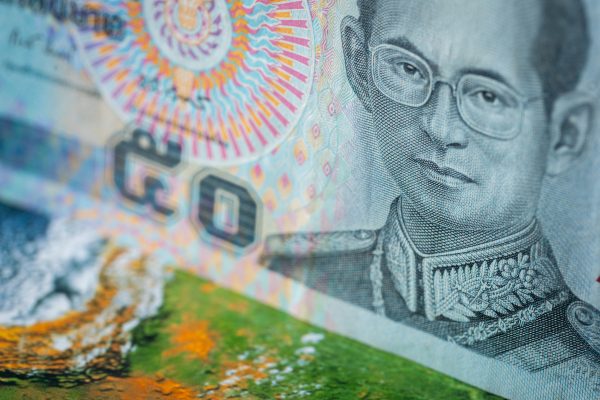
Thailand Urged to Tap Domestic Wealth, Not Just Tourists
Culture
2026年7月10日
4
The Diplomat Indonesia

Thailand Urged to Tap Domestic Wealth, Not Just Tourists

AI サマリー

Thailand's government is focusing on attracting wealthy tourists, but a significant portion of domestic elite wealth remains effectively untaxed. Experts urge a shift towards taxing this domestic wealth to address economic sustainability and income inequality.

Thailand's government has decided, like Japan and others, that the quality of the tourists it attracts is far more appealing than the quantity. After receiving just 33 million foreign arrivals to the Kingdom this year, far below the record 40 million it recorded in 2019, Thailand is betting that a smaller number of more wealthy tourists can generate the same amount of revenue. It is seeking to attract them in part by providing “meaningful experiences” for the rich in the form of golf resorts, wellness retreats, fine dining, and luxury packages. Thailand is suffering not only from a decline in tourism volume, as a strong baht, a rising Vietnam, and an ugly transnational crime problem have hampered interest, but also from the fact that its solution to the problem is a loser, as there are other wealthy people to “soak” right at home. Part of the issue is that Thailand’s current tourism infrastructure is built for high volume, not for an exclusive few. Twenty percent of the Thai economy depends on tourism – a large part of which is those who cater to it, including tuk-tuk drivers, tour operators, small hotels, and locally-owned restaurants. Combined, they represent the beating heart of ubiquitous destinations like Chiang Mai, Phuket, and Pattaya. Consequently, making a sharp pivot toward people who would never frequent or purchase services from these local operators would worsen the economy and drive upward an already staggering rate of income inequality. This inevitably means that the small business owner and the thousands of people who operate in the informal sector of the Thai economy would be at risk. Thus, pursuing the same strategy as Singapore and Japan – two very different economies – seems foolish, particularly as other countries in Southeast Asia are now following the same strategy, making it an extremely competitive market. Instead, Thailand should focus on the wealth it already has, which is enough to counter the loss of tourism volume. There’s an extraordinary amount of data on the subject, which appears to be ignored by the would-be affected political elite. The 2026 World Inequality Report found that inequality in Thailand has soared over the past decade, with the top 10 percent of earners capturing 52 percent of total income, while the bottom 50 percent received only 11 percent. Furthermore, 65 percent of all wealth is concentrated in the hands of the top 10 percent, while the top 1 percent hold 32 percent. An earlier 2023 World Bank report showed similar numbers, ranking Thailand among the most unequal countries in the Asia-Pacific. In contrast, Thailand’s regressive tax system doesn’t match this disparity. Personal income tax allowances remain high enough that the International Monetary Fund (IMF)’s 2025 consultation on Thailand strongly recommended that streamlining personal income tax allowances, while keeping standard allowances (for dependents and personal spending) and keeping the tax exemption threshold at 150,000 baht ($4,500) could increase GDP by 0.5 percent annually. Increasing tax compliance alone could increase GDP by 0.3 percent. The message has been on repeat for years, with the IMF concluding in its earlier 2023 consultation that Thailand required greater tax progressivity as a way of addressing poverty and inequality. It isn’t that Thai leaders are unaware of the issue. There have been revisions to tax loopholes that allowed residents to receive income offshore to avoid Thai taxation, but the Revenue Department created a gentler version where it allowed the wealth to sit in more than 2 trillion baht in offshore assets. In other words, Thailand knows where real revenue is; it is just not inclined to enforce the taxation of it. Regardless of tax fairness, Thailand should pursue all revenue opportunities that it can, but it is no long-term solution when Japan, Singapore, Vietnam and likely many others will be courting the same type of well-heeled traveler, with Thailand in a much more precarious position than its competition. Tax fairness is a far better approach to a steady increase in government revenue, but it seems that this message has fallen on deaf ears among the tourism and finance authorities. As some may recall, there were attempts at progressivity in the Land and Building Tax Act, but the military-appointed National Legislative Assembly conveniently watered down the rate so that it would not have a dramatic impact on the rich. An older, but more revealing study by veteran researchers Chris Baker and Pasuk Phongpaichit found that the top 10 percent hold 61 percent of land, while the bottom 10 percent own just 0.1 percent. The wealthy cannot really be counted on to rein in a runaway system of inequality. If Prime Minister Anutin Charnvirakul is serious about raising government revenue, there are far more reliable ways of doing so. However, a man whose own wealth exceeds $124 million, and includes three private jets, is not going to prioritize a revenue structure that hurts his own interests – and those of his fellow elites.

多角的分析

経済的影響

タイ政府が富裕層観光客誘致に傾倒する戦略は、短期的な収入増には繋がる可能性があるものの、国内の観光インフラが大量の観光客に対応するよう設計されている現状では、富裕層向けのサービス拡充に多大な投資が必要となる。これは、既存の観光業従事者や中小企業への恩恵を限定的にし、経済全体の持続的な成長を阻害するリスクを伴う。一方で、国内富裕層への課税強化は、IMFの試算によればGDPを0.5%押し上げる可能性があり、より確実で持続的な財源確保策となり得る。

投資家心理

富裕層観光客誘致戦略は、高級ホテル、リゾート、高級レストランなどのセクターへの投資を促進する可能性がある。しかし、この戦略の持続性や、国内経済への波及効果の限定性から、長期的な投資環境としては不透明感が残る。むしろ、国内富裕層への課税強化が進めば、その資金が国内投資に回帰する可能性もあり、新たな投資機会を生むことも考えられる。投資家は、タイ政府の政策の方向性と、それが経済全体に与える影響を注意深く見極める必要がある。

社会的影響

タイの観光戦略の転換は、地方の小規模事業者や非公式セクターで働く人々の生活を圧迫する可能性がある。例えば、プーケットやチェンマイといった観光地で、長年地元の観光客を相手に商売をしてきた小規模ホテルやレストラン経営者は、富裕層向けの高級リゾート開発が進む中で、その顧客層から取り残されるリスクに直面する。また、所得格差の拡大は、社会的な不満を高め、治安の悪化に繋がる懸念もある。

市民の声

タイ国民、特に観光業や関連サービスに従事する人々は、政府の観光戦略の変更によって直接的な影響を受ける。富裕層観光客の増加は、一部の高級サービス提供者には恩恵をもたらすかもしれないが、多くの小規模事業者や非公式セクターの労働者は、これまで通りのビジネスが困難になる可能性がある。所得格差の拡大は、一般市民の生活水準の低下や、社会的な機会の不均等を招き、将来への不安を増大させる。

背景・歴史的文脈

タイの所得格差問題は、長年にわたり指摘されてきた構造的な課題である。特に、土地や資産の集中は顕著で、上位層が経済的利益の大部分を享受する一方で、下位層は貧困に苦しんでいる。過去には、土地・建物税法などで累進課税の導入が試みられたが、富裕層への影響を考慮して導入が見送られたり、緩和されたりする経緯があった。IMFなどの国際機関は、タイに対し、より累進的な税制への移行と、税務コンプライアンスの向上を繰り返し提言してきたが、国内のエリート層の抵抗もあり、抜本的な改革は進んでいない。

原文ソース

The Diplomat Indonesia

原文を読む