Thai Cabin Crew Heroin Case Expands to International Network
Security
2026年7月4日
6
Bangkok Post
Relations
🇹🇭Thailand🇦🇺Australia

Thai Cabin Crew Heroin Case Expands to International Network

AI サマリー

Thailand is elevating its investigation into a heroin trafficking case involving a Thai cabin crew member arrested in Australia to special case status. Authorities are focusing on a wider syndicate and overseas recipient network, with significant heroin seizures also occurring domestically.

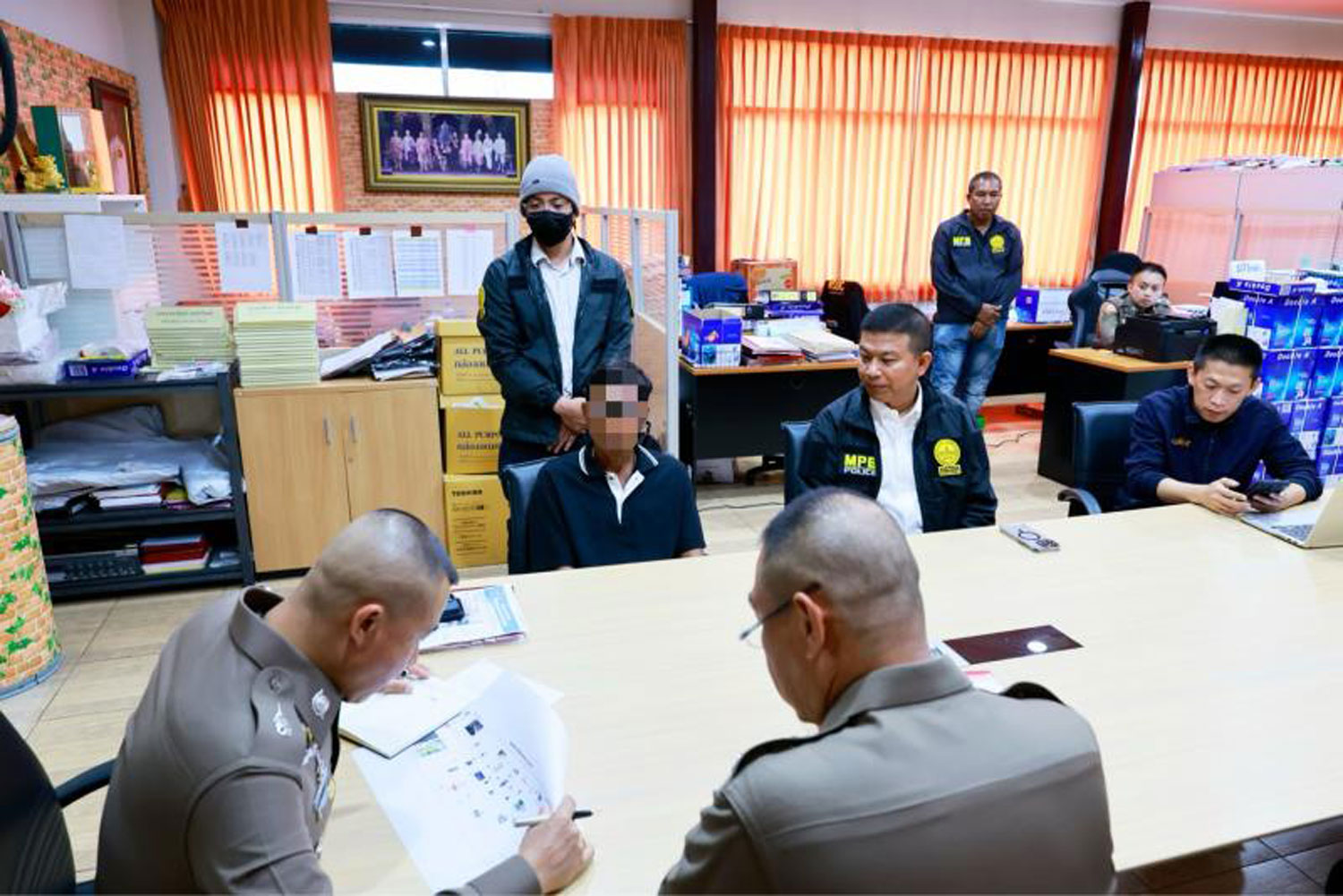
Thailand is preparing to elevate a cross-border heroin trafficking investigation involving a Thai cabin crew member detained in Australia to special case status, as a wider syndicate and overseas recipient network come into focus. Office of the Narcotics Control Board (ONCB) Secretary-General Pol Maj Suriya Singhakamol confirmed that the case involving Ms Meena, a 26-year-old flight attendant arrested in Melbourne on June 25 with nearly 1kg of heroin, is being proposed for transfer to the Department of Special Investigation (DSI) for handling as a special investigation. He said the scale of the operation, involving recruitment, packaging, transport and overseas distribution across multiple jurisdictions, meets the criteria of an organised transnational crime network. ONCB Director of the Narcotics Suppression Division, Kanisorn Papeeranon, said the move would strengthen coordination with international partners, particularly the Australian Federal Police, as digital and logistical evidence continues to expand. He added that investigators are still awaiting the full extraction of data from Ms Meena's seized mobile phone, which is currently being analysed by a separate Australian forensic unit and is critical to confirming communication routes and overseas contacts. Recipient identified Mr Kanisorn confirmed that investigators have identified a Melbourne-based recipient referred to as "Dear", a woman believed to be linked to the intended handover of the heroin shipment. He said intelligence indicates the consignment comprised 12 Otop elephant-pattern embroidered fabric bags, one of which was found to conceal narcotics, while another remains under examination. The parcel was allegedly arranged through a Facebook account named "Rose Rose", which hired Ms Meena to transport the goods under the guise of commercial Otop products. The fee was 3,400 baht, according to Pol Lt Gen Theeradej Thamsuthee, deputy commander of the Metropolitan Police. Mr Kanisorn said investigators believe the final transfer point was a hotel in Melbourne, though precise contact details and meeting arrangements for "Dear" remain unverified due to incomplete digital evidence. Australian agencies have also flagged two to three additional Thai nationals as part of a suspected network of recipients. Mr Kanisorn explained that the absence of direct contact information for "Dear" is partly due to Australia's segmented investigative structure. The Australian Border Force initially intercepted the drugs, and the Australian Federal Police is leading the investigation, while a separate forensic unit is currently extracting data from electronic devices seized in the case. Thai investigators say this division of roles has slowed the release of key digital evidence needed to fully map the overseas coordination chain. Multi-stage logistics system As the investigation widened, the ONCB and police carried out coordinated raids in Bangkok on Tuesday and Wednesday, uncovering large heroin stockpiles linked to the same trafficking pattern. Seizures included more than 8kg of heroin discovered during a raid in the Bang Khen-Lak Si area, where the drugs had been concealed inside decorative fabric wall hangings. A second operation in Soi Rang Nam uncovered around 9kg of heroin hidden within winter jackets and commercial coffee packaging prepared for shipment to Australia. In a third raid in the Ramkhamhaeng area, officers seized 6.23kg of heroin embedded within pink Thai-style silk garments destined for Taiwan. Investigators believe the drugs were processed into thin sheets and fully packaged outside Thailand, likely in Laos, before being smuggled across the border. A key development came on Thursday with the arrest of a Thai man, 43 and his Lao wife, 42, responsible for transporting pre-packed goods from Chiang Khan, a border district in Loei, to Bangkok, marking a critical domestic link in the supply chain. The man admitted to delivering parcels six times for a Lao national, receiving 8,000 baht per shipment, including the parcel delivered to the air crew member. His wife denied any involvement. Yesterday, police detained a 59-year-old man from Ayutthaya who delivered the parcel to the Thai cabin crew member at her residence in Bangkok. He admitted being hired by a foreign-looking man and is also linked to another delivery in the capital. Mr Kanisorn said the syndicate deliberately recruits individuals in high-trust or vulnerable categories, including airline crew, students, tourists and people advertising excess baggage allowances online. He said couriers are typically given pre-packed goods disguised as legitimate products, reducing suspicion during airport screening. The ONCB confirmed the network shows strong links to major heroin cases in 2023 and 2024 in Samut Prakan, as well as a large seizure in Chachoengsao on March 27, where another flight attendant was arrested with more than 20kg of heroin. Mr Suriya, the ONCB secretary-general, said the pattern indicates a long-running, adaptive transnational syndicate using airline-linked couriers and textile-based concealment methods across multiple jurisdictions. Government-level response Mr Suriya said Prime Minister Anutin Charnvirakul is preparing to convene an urgent meeting at Government House with the ONCB to establish enhanced countermeasures against airline-related trafficking networks. He said the policy response will focus on tightening recruitment vulnerabilities, strengthening aviation-linked screening systems, and expanding international enforcement cooperation. Thai and Australian agencies continue to exchange intelligence as the investigation progresses, with Ms Meena remaining in custody in Australia ahead of her scheduled court appearance on Sept 14. Source: Bangkok Post

多角的分析

経済的影響

この事件は、タイ経済における非公式経済や、国際的な貨物輸送網の脆弱性を浮き彫りにしている。OTOP製品のような国内特産品を偽装に利用する手口は、タイの地域経済振興策が悪用されている可能性を示唆しており、国際的な評判にも影響を与えかねない。また、麻薬取引で得られる巨額の利益は、タイ国内の治安や経済システムに潜在的なリスクをもたらす。

投資家心理

投資家にとって、この事件はタイにおける法執行機関の能力と、国際的な犯罪組織の浸透度に対する懸念材料となる。特に、航空輸送や物流関連産業への投資を検討している場合、サプライチェーンのセキュリティリスクを再評価する必要がある。ただし、タイ政府が対策強化を表明していることは、将来的なリスク低減への期待も示唆している。

社会的影響

この事件は、タイ社会における貧困や機会の格差が、犯罪組織の勧誘の温床となりうることを示している。客室乗務員のような、一見安定した職業に就く人々が、一時的な高収入に目がくらみ、犯罪に巻き込まれるケースは、社会的な不安を増幅させる。また、国際的な麻薬取引は、タイを通過点とするだけでなく、国内での薬物乱用問題にも間接的に影響を与える可能性がある。

市民の声

タイ国民、特にバンコク近郊に住む人々にとっては、身近な地域での大規模な麻薬押収は、治安への懸念を高める。また、空港でのスクリーニング強化や、国際的な協力強化は、旅行者や貨物輸送に携わる人々の手続きに影響を与える可能性がある。さらに、一部の国民は、恵まれない人々が犯罪に手を染めざるを得ない社会構造への疑問を呈するかもしれない。

背景・歴史的文脈

タイは、古くから東南アジアにおける麻薬の生産・密輸ルートの交差点に位置してきた。特に、いわゆる「黄金の三角地帯」に隣接する地理的条件は、歴史的に麻薬組織の活動を容易にしてきた。1970年代以降、タイ政府は麻薬対策に力を入れてきたが、組織は巧妙化し、近年では航空機を利用した密輸が増加傾向にある。2023年以降、タイ国内での大規模なヘロイン押収事件が頻発しており、今回の事件は、その継続性と国際的な広がりを示すものと言える。特に、航空会社の客室乗務員を運び屋として利用する手口は、厳重なセキュリティチェックをかいくぐるための新たな戦略として、当局は警戒を強めている。

原文ソース

Bangkok Post

原文を読む