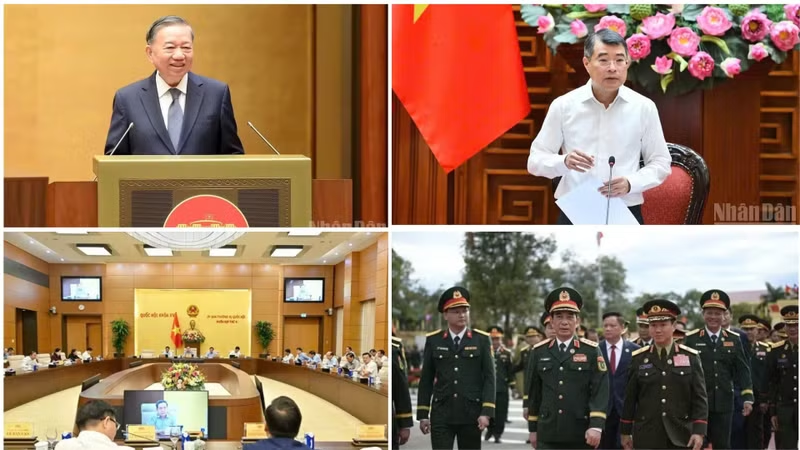
Vietnam's Top Leadership Accelerates Response to Economic and Social Challenges
Technology
2026年7月10日
4
Nhan Dan
Relations
🇻🇳Vietnam🇨🇳China

Vietnam's Top Leadership Accelerates Response to Economic and Social Challenges

AI サマリー

General Secretary and President To Lam of the Communist Party of Vietnam is overseeing the implementation of key resolutions for national goals. The leadership's direct involvement in diverse policy issues, including improving labor quality, legal system development, and infrastructure planning, highlights their commitment to balancing economic growth and social stability.

General Secretary and President To Lam of the Communist Party of Vietnam is spearheading efforts to ensure the implementation of key resolutions aimed at achieving national goals, underscoring the leadership's commitment to balancing economic growth with social stability. On July 9, the General Secretary and President issued conclusions regarding the implementation of the significant resolution "Nghị quyết số 57-NQ/TW." This directive serves to confirm progress towards Vietnam's national objectives and provide specific guidance. Furthermore, Prime Minister Nguyen Xuan Phuc presided over a meeting of the Central Steering Committee for the Implementation of National Target Programs. This indicates a strengthened focus on managing the progress of long-term national projects directly impacting citizens' lives, such as education, healthcare, and infrastructure development. While Vietnam has prioritized economic growth under its one-party system, rapid development in recent years has brought issues like improving labor quality, legal system refinement, and environmental concerns to the forefront as urgent social challenges. The National Assembly Standing Committee continues its work during its 4th session, aiming to accelerate legislative and policy-making processes. On July 7, the General Secretary and President announced conclusions on the perfection and enforcement of the legal system, suggesting efforts to enhance the legal framework for improving the domestic business environment and attracting investment. Additionally, reports from July 6 highlighted the ongoing modernization of technical and operational forces. This initiative is believed to aim at strengthening capabilities for maintaining domestic security and responding to evolving international situations. Vietnam maintains a complex relationship with China while recognizing the indispensability of domestic stability and good international relations for economic development. These developments are seen as part of Vietnam's strategy to sustain economic growth while actively addressing social issues, thereby striving to improve the living standards of its people and ensure overall national stability.

多角的分析

経済的影響

ベトナム経済は、輸出主導型成長を維持するため、生産性の向上と労働力の質的向上が喫緊の課題となっている。トー・ラム書記長・国家主席による労働力質の向上に関する会議の主宰は、この課題への最高指導部レベルでの強い関与を示唆する。これは、単なる量的拡大から質的向上への転換を目指すベトナム経済の構造変化と連動しており、特に製造業やハイテク産業における競争力強化に不可欠である。過去の経済特区開発や外国直接投資(FDI)誘致政策が量的拡大に貢献したのに対し、今後はより高度な人材育成と技術革新が成長の鍵となる。このため、教育・職業訓練への投資拡大や、イノベーションを促進する法制度の整備が、今後の経済政策の焦点となるだろう。

投資家心理

ベトナム政府による法制度整備と執行の強化は、外国投資家にとって歓迎すべき動きである。7月7日の書記長・国家主席の結論は、国内の事業環境の改善と投資誘致に向けた法的な枠組みの強化を示唆しており、これは投資リスクの低減に繋がる可能性がある。特に、一党体制下での政策決定の不確実性は、過去に投資家が懸念してきた点の一つである。しかし、法制度の明確化と一貫した執行は、予測可能性を高め、長期的な投資判断を容易にする。また、労働力質の向上への注力は、より高度な技術を持つ人材の確保を容易にし、製造業やサービス業における付加価値の高い事業展開を可能にする。これにより、従来の低コスト労働力に依存した投資から、より戦略的かつ持続可能な投資へとシフトする機会が生まれる。

社会的影響

ベトナム政府の多岐にわたる政策課題への対応は、国民生活の向上を目指すものであるが、その実効性には地域間格差や情報格差といった課題が伴う可能性がある。例えば、ハノイやホーチミン市のような都市部では、国際的な基準に沿った法制度やインフラ整備が進む一方で、地方部ではその恩恵が遅れて届く可能性がある。また、7月7日の報道にある「ハノイが紅河沿いの地域区分計画について国民の意見を募る」という動きは、住民参加の重要性を示唆しているが、意見反映のプロセスが透明かつ公平に行われるかが問われる。さらに、技術・業務部隊の近代化は、国内の治安維持に寄与する一方で、市民のプライバシーや自由とのバランスがどのように取られるか、という点も社会的な議論を呼ぶ可能性がある。国民一人ひとりの生活実感や、政策決定プロセスへの関与の度合いが、社会全体の安定に大きく影響する。

市民の声

国会常務委員会の会期継続や、国家目標プログラム実施中央指導委員会の会合などは、一見すると政府主導の政策決定プロセスであるが、その背後には国民生活への影響が大きく、特に若年層や地方住民の意見がどれだけ政策に反映されるかが重要である。7月7日のハノイでの紅河沿い地域区分計画に関する住民意見聴取は、市民の声を聞く姿勢を示しているが、意見がどのように集約され、最終的な計画に反映されるのか、その透明性と実効性が問われる。また、労働力質の向上は、教育機会の拡大や職業訓練の質向上に繋がる可能性があり、これは若者たちのキャリア形成にとって希望となる。しかし、都市部と地方部での教育格差が拡大しないか、という懸念も存在する。ベトナムの一党体制下では、政策決定は中央集権的にならざるを得ないが、国民の多様なニーズや懸念をいかに汲み上げ、政策に反映させるかが、社会の持続的な安定と発展の鍵となる。

背景・歴史的文脈

ベトナムは、1986年のドイモイ(刷新)政策以降、市場経済化を進め、目覚ましい経済成長を遂げてきた。この成長は、外国直接投資(FDI)の誘致、輸出産業の振興、そして豊富な労働力を背景としている。しかし、近年は経済の高度化に伴い、労働力の質的向上、法制度の整備、社会インフラの拡充、環境問題への対応などが新たな課題となっている。特に、中国との経済的な結びつきが強い一方で、地政学的な緊張も抱える中、国内の安定と経済発展の両立は、ベトナム共産党にとって最重要課題の一つである。最高指導部がこれらの課題に直接関与し、政策実行を加速させる動きは、ベトナムが経済成長の次の段階へ移行しようとする意思の表れと言える。

原文ソース

Nhan Dan

原文を読む