General articles are free for 24 hours after publish.
Vietnam Pushes Cultural Industries as New Growth Engine
Vietnam is positioning its cultural industries as a new economic growth engine, enhancing digitalization and international cooperation. Through digitizing cultural heritage, utilizing AI, and hosting international cultural events, the nation aims to boost its brand and competitiveness.
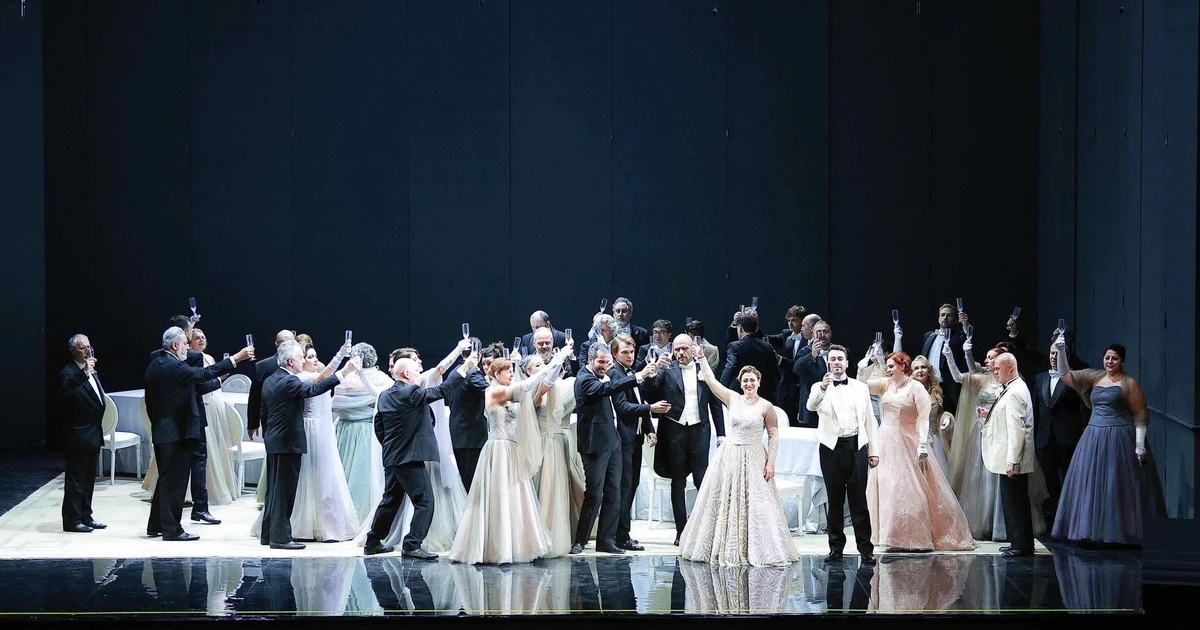
Vietnam is accelerating digitalization and international cooperation, identifying its cultural industries as a new driver of economic growth and national branding. Digitization of cultural heritage is becoming an urgent lever for national cultural development in the new era, encompassing oral literature, beliefs, customs, festivals, and arts passed down through generations. This is opening new opportunities for smart tourism, expanding public access to heritage and enhancing research activities. AI is expected to play an increasingly important role in strengthening the competitiveness of cultural industries. The need to address bottlenecks hindering the transformation of culture into an endogenous resource, soft power, and a driver of national development has been emphasized, as the appeal and reach of positive cultural values in the digital environment have yet to keep pace with the rapid growth of digital platforms and content. Hanoi has recently launched a series of initiatives to realize its vision of becoming a "Civilised – Distinctive – Creative" capital. These include the creative infrastructure development program and the 2026 creative space design competition, which encourage architects, designers, and creative communities to revitalize former industrial sites, relocated facilities, traditional craft villages, parks, squares, and other public spaces through innovative yet practical design solutions. The implementation of Resolution No. 06, alongside the cultural diplomacy strategy, sends a clear message: by combining its rich cultural heritage with proactive diplomacy, innovation, and digital transformation, Vietnam would strengthen its competitiveness on the global stage. International cultural events are also being actively held. The Ho Guom Opera hosted a concert titled "The Light of Melody," gathering world-renowned opera singers and prominent Vietnamese artists. The theatre also plans to regularly stage the "Chuyen Ha Noi – Mot ngay rat Ha Noi" (Hanoi stories – A truly Hanoi day) program every Friday at 8 p.m., expected to become one of the city's signature cultural attractions for both domestic and international visitors. Furthermore, the Vietnamese gallery at the State Museum of Oriental Art in Moscow stands out as a vivid testament to the country's history, culture, and craftsmanship, helping promote Vietnam's cultural identity to Russian and international visitors. The Vietnam Exhibition Centre for Culture and Arts also provides visitors with deeper insights into the vast scholarly contributions of the 18th-century distinguished cultural figure and scholar Le Quy Don through photographs, historical documents, woodblock reproductions, stone inscriptions, books, and other valuable archival materials. Hue stands out for its imperial cuisine, a culinary tradition rooted in the city's history as the capital of the Nguyen Dynasty, renowned for its refined flavors, meticulous preparation, and artistic presentation. In Da Nang city, businesses and coffee artisans are reimagining the central region's signature specialties through creative coffee beverages, adding value to OCOP (One Commune One Product) items and strengthening links between agriculture, culture, tourism, and commerce. Vietnam's martial art, Vovinam – Viet Vo Dao, has steadily gained international recognition, particularly in France, where it has become firmly established with over 10,000 practitioners and about 50 clubs operating. Source: VietnamPlus English
Original source
VietnamPlus English