General articles are free for 24 hours after publish.
Covid-19 Deepened Gender Gaps in PH, Research Shows
Research indicates the Covid-19 pandemic exacerbated existing gender inequalities in the Philippines, placing women under disproportionate strain as frontline health workers, income earners, and unpaid caregivers. Disruptions to health services also jeopardized maternal and reproductive health needs.
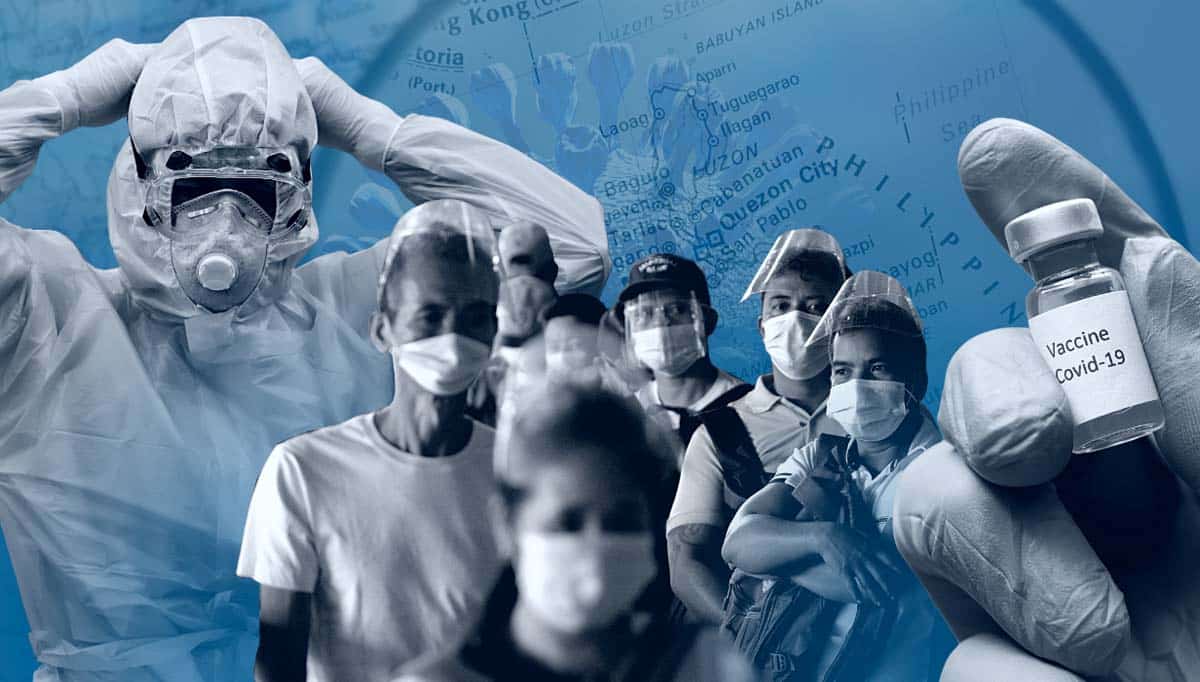
MANILA, Philippines — Research showed that the Covid-19 pandemic deepened existing gender inequalities in the Philippines, placing women under disproportionate strain as frontline health workers, income earners and unpaid caregivers, while disruptions to health services put maternal and reproductive health needs at risk. “The Covid-19 pandemic exposed and deepened gender-related inequalities in Philippine society, particularly for women who were disproportionately affected in multiple roles,” the research stated. Women constituted a significant portion of the healthcare workforce, often working on the front lines and facing higher risks of infection. Simultaneously, as lockdowns and economic downturns impacted household incomes, women increasingly took on the role of primary income earners or supplemented family finances, often through informal sectors with less job security. Furthermore, the pandemic led to widespread disruptions in essential health services, including maternal and reproductive health care. This meant that many women faced challenges in accessing prenatal care, safe delivery services, and family planning resources, potentially leading to adverse health outcomes. The research also pointed to the increased burden of unpaid care work, such as looking after children and elderly family members, which predominantly fell on women during school closures and when other support systems were unavailable. These findings emphasize the need for targeted interventions and policy changes to mitigate the long-term effects of the pandemic on gender equality in the Philippines. Strengthening health systems, promoting women’s economic empowerment, and recognizing and supporting unpaid care work are crucial steps forward. Source: Inquirer NewsInfo
Original source
Inquirer NewsInfo