Vietnam Ascends to Upper-Middle Income Status Amidst Economic Growth and Enhanced Global Standing
Economy
2026年7月6日
6
VietnamPlus English
Relations
🇻🇳Vietnam🇨🇳China🇯🇵Japan🇰🇷South Korea🇪🇺European Union

Vietnam Ascends to Upper-Middle Income Status Amidst Economic Growth and Enhanced Global Standing

AI サマリー

Vietnam has officially joined the ranks of upper-middle-income economies, with its per capita GNI reaching $4,970 in 2025, according to the World Bank. This milestone reflects a decade of sustained growth, political stability, and deepening international integration.

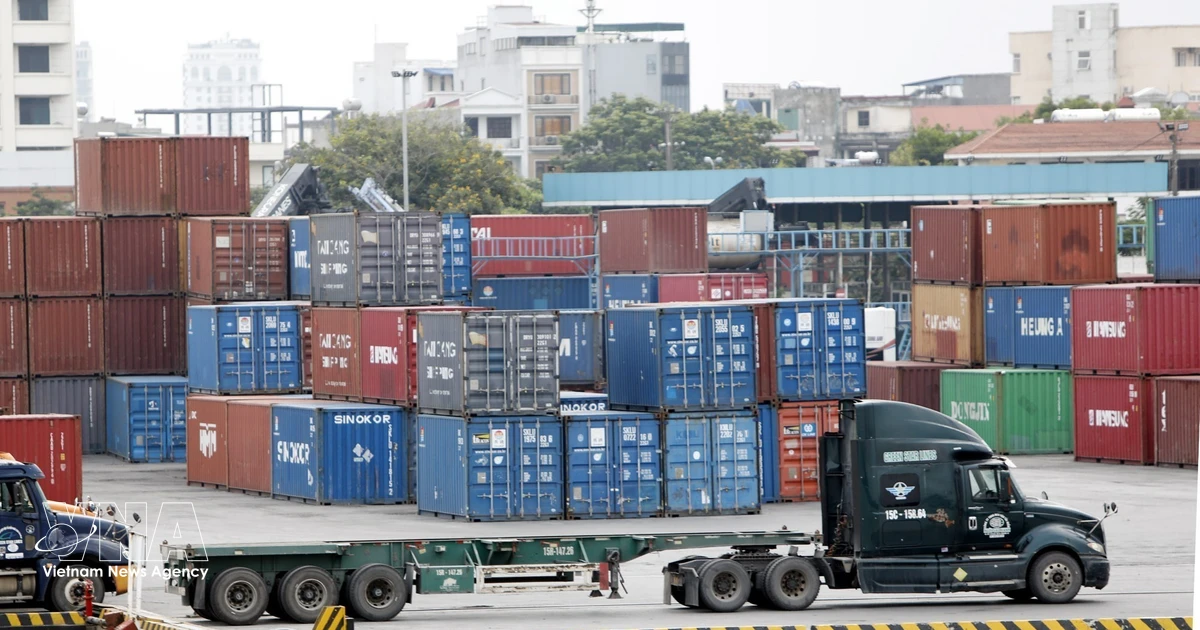
Vietnam has officially joined the ranks of upper-middle-income economies, with its per capita Gross National Income (GNI) reaching $4,970 in 2025, surpassing the World Bank's threshold of $4,636. This milestone, achieved over a decade of sustained development under the Party's leadership, signifies the nation's successful transition from underdevelopment, marked by maintained political and social stability, strengthened social welfare, and deepened international integration. The country's growing maritime standing was highlighted in the Container Port Performance Index (CPPI) 2025, jointly released by the World Bank (WB) and S&P Global Market Intelligence. For the second consecutive year, Cai Mep Port and Hai Phong Port ranked among the world's 20 most efficient container ports, with Cai Mep placed 11th and Hai Phong 13th. Industrially, Vietnam has demonstrated robust recovery, recording its strongest first-half industrial growth since 2019. Manufacturing continues to lead the charge, supported by improving demand, employment, and production capacity, positioning industry as a key pillar of economic expansion. The collective value of Vietnam's top 10 brands also saw a significant increase of over 12% year-on-year, reaching $24.5 billion. Trade figures paint a similarly positive picture. In the first half of 2026, total trade turnover surged by 27.1% year-on-year to $549.69 billion. Exports rose by 21%, and imports increased by 33.4%, indicating strong global demand for Vietnamese goods and robust import activity. Foreign Direct Investment (FDI) also saw a substantial increase, with total registered capital, including new and additional investments, reaching $34.65 billion as of June 30, 2026, a 61% year-on-year rise. Domestically, consumer purchasing power and demand have shown a solid recovery. Total retail sales and consumer service revenue in the first six months of 2026 amounted to an estimated 3,889.5 trillion VND, up 12.9% year-on-year. After adjusting for price factors, real growth stood at 7.3%, reflecting a solid recovery in domestic purchasing power and consumer demand. Internationally, Vietnam's global presence continues to grow. Relations with the European Union (EU) were elevated to a comprehensive strategic partnership in early 2026, expected to invigorate cooperation in trade, investment, digital transformation, the green transition, energy, climate action, and supply chain resilience. As the 2026 Chair of the Comprehensive and Progressive Agreement for Trans-Pacific Partnership (CPTPP), Vietnam hosted the CPTPP ministerial meeting and the 10th meeting of the CPTPP Commission on June 26. These economic and international advancements align with Vietnam's strategic goals, including its Sustainable Marine Economic Development Strategy until 2030, with a vision to 2045, which calls for a green, modern, and innovation-driven marine economy. Offshore wind has been identified as a strategic sector capable of creating new growth momentum. The planned restoration of 91 weekly return flights by Vietnam Airlines and Vietjet Air is expected to meet growing travel demand and enhance Da Lat city's connectivity. Israel views Vietnam as a promising market and a global manufacturing hub, identifying AI, cybersecurity, agricultural technology, health care, and innovation as key areas for future collaboration. The country's tax policies are also being refined, with a draft decree adding five new categories of tax-exempt income to encourage work in priority sectors. Electric vehicle maker VinFast unveiled the VF 2, aiming to make car ownership more accessible. Hong Kong remained a significant foreign investor and trading partner. The domestic market, while generally stable, faces challenges with smuggling and counterfeits. Greece is keen to strengthen labor ties with ASEAN countries to address labor shortages. Vietnam is poised to further solidify its role as a significant player on the global stage.

多角的分析

経済的影響

ベトナムの一人当たりGNIが中間所得層上位国基準を超えたことは、過去20年間の持続的な経済政策、特に輸出主導型成長戦略と外国直接投資(FDI)誘致政策の成功を具体的に示しています。製造業の多様化と高度化、そしてサービス業の成長が、この成果を支えています。特に、港湾インフラの効率性向上(CPPIランキング)や、輸出入の急増(+27.1%)は、グローバルサプライチェーンにおけるベトナムの重要性の高まりと、国際市場からの信頼を反映しています。国内消費の回復(実質+7.3%)も、経済の底堅さを示す重要な指標です。

投資家心理

ベトナムの「中間所得層上位国」への移行は、投資家にとって、より成熟した市場への参入機会と、それに伴うリスクの変化を意味します。過去の低コスト労働力に加えて、技術力向上やインフラ整備が進むことで、高付加価値産業への投資妙味が増しています。CPPIランキング上位入りの港湾は、物流コスト削減に寄 貢献し、サプライチェーンの効率化を求める企業にとって魅力的な立地となります。一方で、国際関係の複雑化(対中関係、EUとのパートナーシップ強化など)や、国内市場における密輸・偽造品対策の課題は、投資判断におけるリスク要因として注視する必要があります。

社会的影響

一人当たりGNIの増加は、国民生活水準の向上と貧困削減に直結します。しかし、経済成長の恩恵が均等に行き渡っているか、都市部と地方部、あるいは異なる産業従事者間での所得格差が拡大していないかは、社会的な安定を維持する上で重要な論点です。税制優遇措置が優先分野での人材確保を促す一方で、新たな課税対象となる所得層の負担増も懸念されます。また、EV(VF 2)の導入は、都市部における環境意識の高まりと、新たな消費層の出現を示唆していますが、地方部への普及やインフラ整備は今後の課題です。港湾都市であるハイフォンや、南部の主要港であるカイメップ周辺では、物流関連産業の雇用が増加する一方、インフラ整備の遅れや環境問題が住民生活に影響を与える可能性があります。

市民の声

ベトナム市民にとって、一人当たりGNIの向上は、生活水準の向上と将来への希望に繋がります。特に、国際的な港湾ランキングでの上位入賞は、国家の発展を実感させる象徴的な出来事です。しかし、2026年前半の総貿易額の急増(+27.1%)は、輸出入に携わる人々や関連産業従事者にとっては、業務の拡大や新たな機会をもたらす一方で、国際情勢の変動に左右されやすいリスクも内包します。また、EVの普及は、都市部の若年層や環境意識の高い層にとって、新たなライフスタイルの選択肢となりますが、地方部では依然としてインフラや価格面での課題が残るでしょう。港湾の効率化は、物流コストの低下を通じて、間接的に消費者の負担軽減に繋がる可能性があります。

背景・歴史的文脈

ベトナムが一人当たりGNIで中間所得層上位国入りを果たした背景には、1986年のドイモイ(刷新)政策以降、市場経済化と国際社会への開放を進めてきた歴史がある。特に、中国との経済関係を維持しつつも、欧米や日本、韓国などとの関係を多角化することで、外国直接投資(FDI)を積極的に誘致し、製造業を基幹産業として発展させてきた。近年では、米中対立によるサプライチェーン再編の恩恵を受け、多くの国際企業が生産拠点をベトナムに移転させている。また、2018年のCPTPP加盟や、2019年のEU・ベトナム自由貿易協定(EVFTA)の発効は、国際貿易におけるベトナムの地位を一層確固たるものにした。

原文ソース

VietnamPlus English

原文を読む