Philippines Distances Itself From US Campaign Against ICC, Cites American Policy
Politics
2026年7月14日
5
BusinessWorld Nation

Philippines Distances Itself From US Campaign Against ICC, Cites American Policy

AI サマリー

The Philippines government has distanced itself from a US-led campaign urging countries to leave the International Criminal Court (ICC), stating that American policy is its own and Manila will adhere to its domestic laws. The Marcos administration reiterated no plans to rejoin the ICC, emphasizing its stance is based on Philippine policy, not foreign government directives.

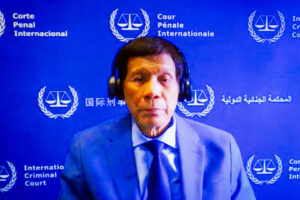
The Philippines on Tuesday distanced itself from a campaign by the administration of US President Donald J. Trump urging countries to leave the International Criminal Court (ICC), saying Washington’s latest position on the Hague-based tribunal is a matter of American policy and that Manila would continue to follow its own laws. “The policy of the US is not within the scope of our government,” Palace Press Officer Clarissa A. Castro told reporters in a Viber group chat in Filipino. Ms. Castro was asked to comment on a statement by US Secretary of State Marco A. Rubio, who said on Monday that “nations that refuse to reject the ICC’s false authority while relying on US assistance are likely to come under scrutiny.” “This is a policy of the United States, and we respect their position,” Ms. Castro separately told GMA News. “At this point, we have no comment, as we are simply acting in accordance with our own laws.” The Marcos administration has repeatedly said the Philippines has no plans to rejoin the ICC, while maintaining that its position on the tribunal is based on Philippine policy rather than that of any foreign government. The Philippines withdrew from the Rome Statute, the treaty that created the ICC, in 2019 under former President Rodrigo R. Duterte after the tribunal opened a preliminary examination into his anti-illegal drug campaign. Although Manila is no longer a state party, the ICC maintains that it retains jurisdiction over crimes committed while the country was still a member. Former presidential legal counsel Salvador S. Panelo welcomed the Trump administration’s campaign against the ICC, saying the tribunal should stop what he described as interference in the affairs of sovereign states. “The Trump administration’s launching of a government-wide campaign against the International Criminal Court, vowing to pressure countries to withdraw from the tribunal and accusing it of threatening US sovereignty, as well as other countries’ sovereignties like the Philippines, Russia and Israel is long in coming,” he said in a statement. “The illegal and unforgivable incarceration of former President Rodrigo Roa Duterte, intruding into our country’s sovereignty with the cooperation of the Marcos administration, is a classic example of ICC’s unlawful intrusion to countries that are not members,” he added. Mr. Duterte, 81, was arrested in March 2025 after Philippine authorities enforced an ICC arrest warrant and transferred him to The Hague, where he remains in the tribunal’s custody while facing allegations of crimes against humanity linked to his anti-drug campaign. He has denied wrongdoing, while his supporters continue to challenge the court’s jurisdiction following the Philippines’ withdrawal from the Rome Statute. The US and the Philippines remain treaty allies under the Mutual Defense Treaty and continue to cooperate on defense, trade and other strategic issues despite Manila’s decision to treat Washington’s latest ICC campaign as a separate policy matter. The ICC, established in 2002, prosecutes people accused of genocide, crimes against humanity, war crimes and the crime of aggression when national courts are unwilling or unable to do so. — Erika Mae P. Sinaking

多角的分析

経済的影響

フィリピンがICCとの関係で米国から距離を置く姿勢は、直接的な経済的影響は限定的とみられる。しかし、米国による「精査」の可能性は、米国の支援に依存するフィリピンの経済セクター、特に国防やインフラ開発分野への間接的な影響を及ぼす可能性が指摘される。過去、米国は支援国に対して外交的・経済的な圧力をかけた事例があり、フィリピンが今後、米国の政策にどこまで歩調を合わせるかが、経済的リスクを左右する要因となりうる。

投資家心理

投資家にとって、フィリピンのICCに対する立場は、直接的な投資リスクを大きく変えるものではない。しかし、米国との関係性や、国内の政治的安定性に対する潜在的な影響を注視する必要がある。特に、ドゥテルテ前大統領のICCへの関与は、フィリピン国内の法制度や政治的安定性に対する懸念を一部投資家に抱かせる可能性があり、今後の政権の外交政策の方向性が、投資判断に影響を与えるだろう。

社会的影響

フィリピン国民の間では、ICCへの関与に対する意見が分かれている。ドゥテルテ前大統領の支持者は、ICCの行動を主権侵害とみなし、今回の米国キャンペーンを支持する声もある。一方で、人権団体などは、ICCの役割を支持し、国内での説明責任を求めている。今回の政府の姿勢は、国内の法治や人権問題に対する議論をさらに深める可能性がある。特に、ドゥテルテ氏の逮捕・拘留は、国民の間に司法への信頼や国家主権に関する複雑な感情を生じさせている。

市民の声

フィリピン国民、特にドゥテルテ前大統領の支持者層は、ICCの行動を国家主権への侵害と捉え、今回の米国キャンペーンに一定の共感を示す可能性がある。彼らは、国内の司法制度が機能している限り、外国の裁判所が自国の元指導者を裁くことに強い反発を感じるだろう。一方で、人権擁護を訴える市民団体や、法治を重んじる層からは、ICCの調査継続を求める声も根強く存在する。政府の「自国法に従う」という姿勢は、国内の法制度への信頼を基盤としているが、国民の間には、説明責任を求める声と、国家主権擁護の観点からの反発が併存する状況が続いている。

背景・歴史的文脈

フィリピンがICCから脱退したのは2019年、ドゥテルテ前大統領の任期中である。これは、ICCがドゥテルテ前大統領の「麻薬戦争」における人道に対する罪の可能性について予備審査を開始したことへの反発からだった。ICCは、加盟国が国内で十分な捜査や訴追を行わない場合に、国際的な犯罪を裁く役割を担う。フィリピンの脱退後も、ICCは過去の犯罪に対する管轄権を主張しており、これが今回のドゥテルテ氏逮捕の根拠となっている。米国はICCを設立したローマ規程には加盟していないが、近年、ICCの権限拡大に懸念を示し、加盟国に脱退を促すキャンペーンを展開している。

原文ソース

BusinessWorld Nation

原文を読む