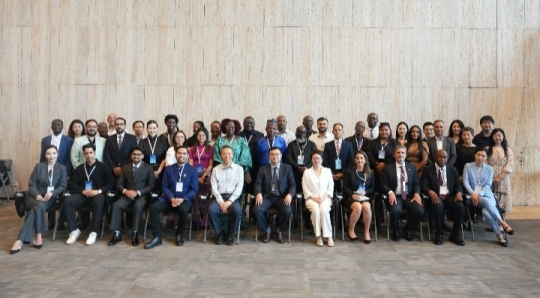
China Highlights Global Development Initiative, Implications for Laos?
China has highlighted its Global Development Initiative during an international media program. While Laos may benefit from Chinese infrastructure investments, concerns remain about economic dependence and expanding Chinese influence.
This article requires PRO
This article is outside the free access window or is a special report. PRO unlocks it and the full archive.
Related articles
- Middle East War Sharpens Focus on ASEAN Energy Security Plans
The prolonged conflict in the Middle East has exposed ASEAN nations' vulnerability to energy imports. An upcoming energy ministers' meeting in the Philippines is expected to urgently address the strengthening of energy security plans.
- EU Green Diplomacy Week in Laos Promotes Plastic-Free Communities
The European Union (EU) has launched Green Diplomacy Week 2026 in Laos, promoting efforts towards sustainable and plastic-free communities. An accompanying photo exhibition in Vientiane highlights national initiatives and encourages public engagement in tackling plastic pollution.
- Laos Faces Economic Headwinds Amidst China, Vietnam Ties and Domestic Reform Questions
Laos is grappling with significant economic challenges, including inflation, currency depreciation, and debt issues, within an economic structure heavily reliant on China and Vietnam. Delays in domestic reforms are further complicating efforts to resolve these problems.
- Vietnam Deputy FM Attends CLMV, Mekong-Japan Meetings
Vietnam's Deputy Minister of Foreign Affairs attended senior officials' meetings for Cambodia-Laos-Myanmar-Vietnam (CLMV) and Mekong-Japan cooperation. Laos is a key participant in these regional cooperation frameworks.