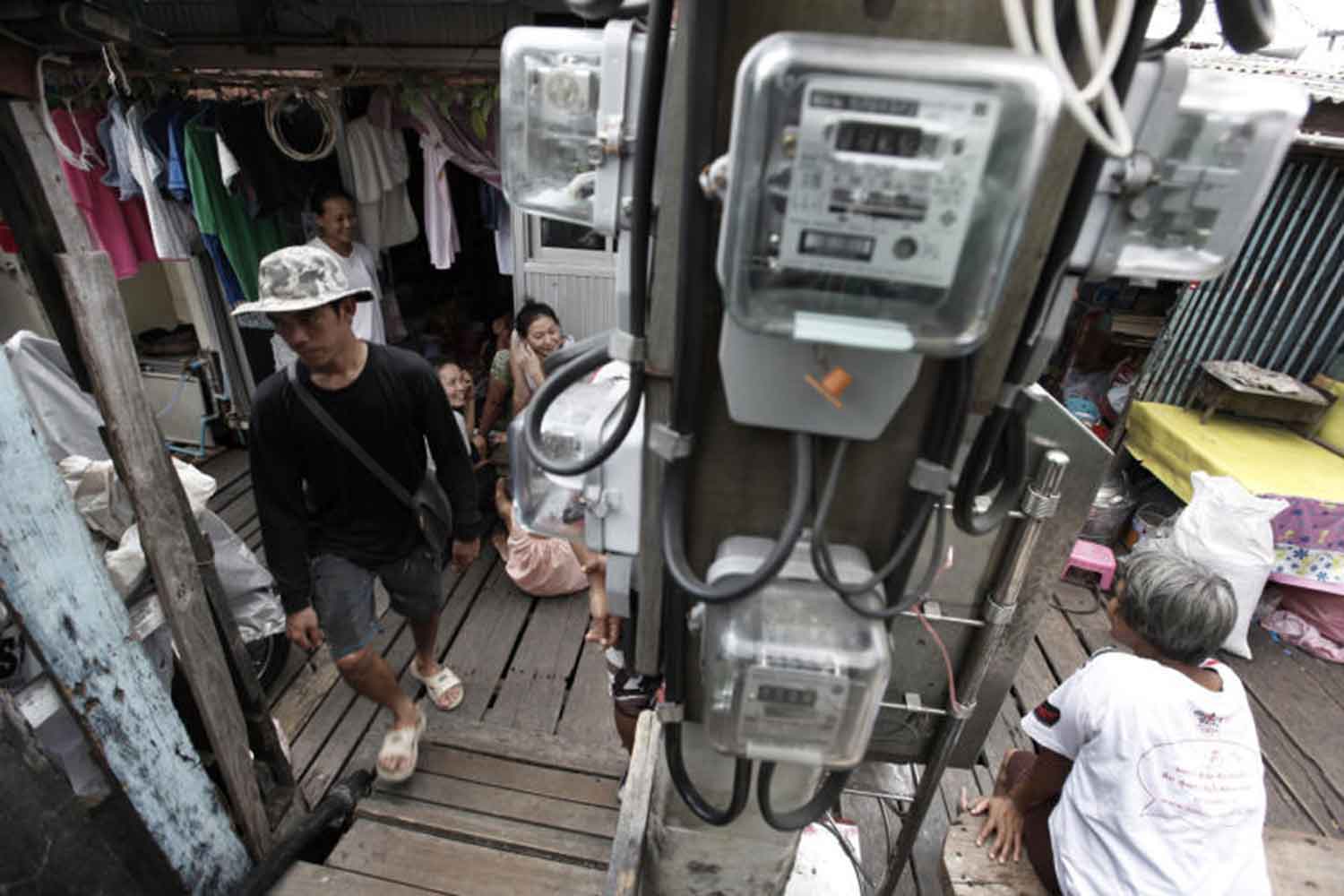
Thailand Braces for Significant Power Bill Hikes in Final Four Months of Year
Thailand's Energy Regulatory Commission (ERC) announced a substantial increase in the Fuel Tariff (Ft) for the final four months of the year, driven by rising fuel costs and the need to reimburse the Electricity Generating Authority of Thailand (Egat) for past subsidies. This will lead to higher electricity bills for households and businesses.
Households and businesses in Thailand are bracing for a significant increase in electricity bills over the final four months of this year. The Energy Regulatory Commission (ERC) has announced a sharp rise in the fuel tariff (Ft), projected to jump from 0.16 baht to 0.94 baht per kilowatt-hour. This adjustment is expected to drive up overall power tariffs. ERC secretary-general Poonpat Leesombatpiboon explained that the increase is driven by rising fuel costs and the necessity to reimburse the Electricity Generating Authority of Thailand (Egat) for billions of baht spent on past electricity subsidies. Egat is owed 31.2 billion baht, and the new tariff structure aims to gradually settle this debt. The current power tariff stands at 3.95 baht per unit and will remain in effect until the end of August, after which new rates will be implemented. The Ft is recalculated every four months to account for changes in fuel prices, electricity imports, foreign exchange rates, and policy-related expenses, including Egat debt repayment. According to Mr. Poonpat, rising fuel costs are attributed to "Pool Gas," the weighted average price of natural gas from the Gulf of Thailand, Myanmar, and imported liquefied natural gas. The rate is projected to climb 8% to 375 baht per million British thermal unit (mmBtu), up from 347 mmBtu in the previous period. To mitigate the impact on consumers, the government has previously curbed electricity prices by utilizing unused budgets from state electricity agencies and deferring payments to Egat. However, the ERC is now seeking public input on four proposed tariff options, ranging from 3.95 to 4.73 baht per unit. Each option shares a base tariff of 3.78 baht per unit, with variations stemming from the Ft. The highest option, with an Ft of 0.94 baht, would raise the tariff to 4.73 baht per unit, enabling full repayment of Egat's debt. Other options propose smaller Ft increases and deferred debt repayment. Public consultations are open on the ERC website until July 20, and the commission's board is scheduled to finalize the new Ft rate by September.
多角的分析
今回の電気料金値上げは、タイ経済にとってインフレ圧力の新たな火種となる。燃料費の高騰は、直接的に電力コストを押し上げるだけでなく、製造業や運輸業など、エネルギー多消費型の産業の生産コストを増加させる。これにより、企業は製品価格への転嫁を余儀なくされ、消費者物価指数(CPI)の上昇につながる可能性がある。特に、家計における電気料金の割合が高い低所得者層への影響は深刻であり、実質所得の低下を招きかねない。政府は補助金や未使用予算の活用で一時的に負担を軽減しようとしているが、根本的な燃料価格高騰とEgatへの債務返済という構造的な問題に対処しない限り、電気料金の不安定性は続く。
投資家にとっては、電気料金の上昇は収益性への直接的な懸念材料となる。特に、電力消費量の多い製造業やサービス業は、コスト増加による利益率の低下に直面するだろう。企業は、エネルギー効率の改善や再生可能エネルギーへの投資を加速させるインセンティブを得る一方、短期的なコスト増への対応が求められる。また、インフレ懸念の高まりは、タイ中央銀行の金融政策にも影響を与え、利上げの可能性を高めるかもしれない。これは、株式市場や債券市場全体のリスクセンチメントに影響を与える可能性があるため、投資家は慎重なポートフォリオ管理が必要となる。
電気料金の値上げは、タイ国民の生活に直接的な影響を与える。特に、エアコンの使用が増える乾季や暑季においては、家計の負担がさらに重くなる。低所得者層や地方の住民は、冷房の使用を控えざるを得なくなる可能性があり、生活の質の低下につながる。また、中小企業、特に電気代の比率が高い小規模な小売店やレストランなどは、経営難に直面するリスクが高まる。これは、地域経済の活性化や雇用維持の観点からも懸念される。政府が提示する複数の料金オプションは、国民の負担能力とEgatの債務返済という二律背反の課題に対する、社会的な合意形成の難しさを示唆している。
市民の視点からは、今回の電気料金値上げは家計への直接的な打撃となる。特に、バンコクのような都市部では、エアコンの使用は生活必需品に近い。値上げが実施されれば、食費や他の生活必需品への支出を削らねばならない家庭が増えるだろう。また、公共交通機関の料金や他のサービス料金にも波及する可能性があり、生活全般のコスト上昇が懸念される。ERCが募集している国民からの意見は、市民が自らの生活への影響を訴える重要な機会だが、最終的な決定権はERC理事会にあるため、市民の声がどこまで反映されるかは不透明だ。地方の住民は、都市部とは異なる形で、例えば農業用水のポンプ稼働コスト増加など、間接的な影響も受ける可能性がある。
背景・歴史的文脈
タイにおける電気料金の決定プロセスは、エネルギー規制委員会(ERC)が主導し、燃料費の変動を反映する燃料調整費(Ft)が重要な要素となる。過去、タイ政府は国民の負担を軽減するため、Egatに対して電気料金の補助金を提供してきた。しかし、その累積額が巨額となり、Egatの財務を圧迫。今回の値上げは、この過去の補助金による債務(312億バーツ)をEgatに返済させるための措置である。Ftは4ヶ月ごとに見直されるが、今回は燃料価格の高騰と債務返済という二重の要因が重なり、大幅な引き上げが必要となった。政府は、国民の反発を和らげるため、複数の料金オプションを提示し、意見公募を行っているが、根本的な課題解決には至っていない。
原文ソース
Bangkok Post