500-Day Campaign for Fallen Soldiers' Remains Highlights National Unity and Future Investment
Vietnam's nationwide 500-day campaign to recover and identify fallen soldiers' remains is galvanizing public support and honoring national heroes. Concurrently, significant emphasis is placed on investing in the nation's future through healthcare modernization and national target program acceleration.
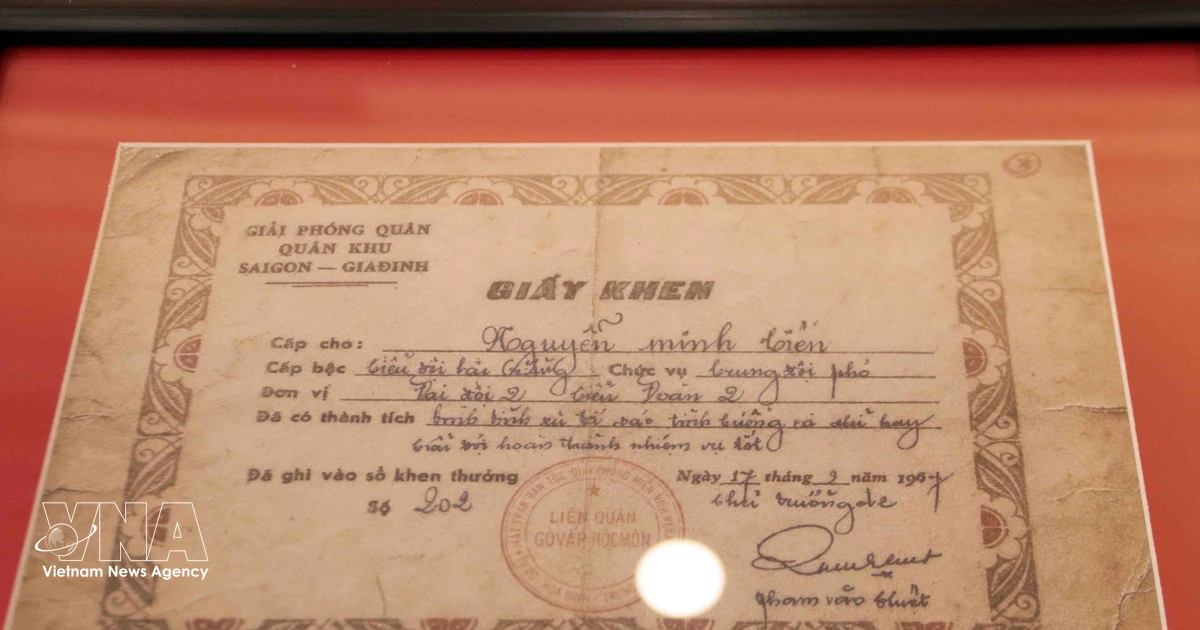
The 500-day campaign to recover and identify the remains of fallen soldiers is underway across Vietnam, running in parallel with efforts to emphasize investment in the nation's future. More than just a search mission, it is a race against time to identify those who remain unknown through DNA technology. In the Central Highlands province of Gia Lai, with support from the military, health workers, and local authorities, the campaign to recover and identify fallen soldiers' remains is intensifying. Every DNA sample collected offers another chance to restore a name to those still listed as unidentified, bringing long-awaited answers to their families. Donated materials include files on three martyrs’ personal belongings, burial records, and maps identifying the graves of 21 martyrs at K76A Hospital, along with decoded documents relating to Unit 962, linked to artefacts unearthed during excavation work at Le Thi Rieng Park. Meanwhile, Prime Minister Le Minh Hung on July 9 called for a modern, efficient restructuring of Vietnam’s healthcare network, stressing that investment in healthcare is an investment in the nation’s future, as he attended the inauguration of Viet Duc University Hospital’s Ninh Binh campus. On the same day, PM Hung urged ministries, sectors, and localities to accelerate the implementation of four national target programmes and ensure the full disbursement of all funds allocated for 2026, including more than 17 trillion VND (646.5 million USD) carried over from the 2021–2025 period. These efforts reflect Vietnam's commitment to balancing national development and honoring its citizens as it experiences economic growth and gains international recognition. The World Bank's classification of Vietnam as an upper-middle-income country marks an important milestone, recognizing the nearly four decades of the Doi Moi (Renewal) process, while also signaling the need for a stronger shift from scale-driven growth to development powered by productivity, science, technology, and innovation.
多角的分析
ベトナムが上中所得国に分類されたことは、ドイモイ政策による経済成長の成果を示す一方、今後は生産性、科学技術、イノベーション主導の成長への転換が急務であることを示唆している。戦没者遺骨収集キャンペーンは、国民統合の象徴としての側面を持つが、その遂行には相当な人的・物的リソースが必要であり、国家予算配分における優先順位が問われる。また、医療ネットワークの近代化への投資は、将来的な人的資本の向上と、国民の健康増進を通じた長期的な経済生産性の向上に寄与すると考えられる。
ベトナムが上中所得国に分類されたことで、投資環境は変化する可能性がある。低コスト労働力に依存した製造業への投資から、より付加価値の高い分野、例えばテクノロジーやイノベーションへの投資が求められるようになるだろう。医療分野への投資拡大は、ヘルスケア産業への新たな投資機会をもたらす可能性がある。一方で、国家目標プログラムへの資金配分は、インフラ開発や社会福祉分野への投資を促進し、国内消費の拡大につながることも期待される。
戦没者遺骨収集キャンペーンは、ベトナム社会における国家への忠誠心と、過去の戦争の犠牲者への敬意という価値観を反映している。遺骨の特定は、多くの家族に長年の苦しみに終止符を打つ機会を与える。医療ネットワークの近代化は、地方部や貧困層における医療アクセスの改善に繋がり、国民全体の健康水準向上に貢献する可能性がある。しかし、こうした国家的な取り組みには、地方と都市部、あるいは異なる社会経済的背景を持つ人々との間で、リソース配分や恩恵の享受において格差が生じる可能性も考慮する必要がある。
戦没者遺骨収集キャンペーンへの参加は、多くのベトナム市民にとって、国家への貢献を実感する機会となる。特に、戦争経験を持つ世代やその子孫にとっては、個人的な感情的な結びつきも強いだろう。医療ネットワークの近代化は、地方に住む人々や経済的に困難な状況にある人々にとって、より質の高い医療サービスへのアクセス改善という形で、直接的な恩恵をもたらすことが期待される。しかし、キャンペーンの遂行には、国民のボランティア参加や寄付が求められる場合もあり、その負担感も考慮されるべき点である。
背景・歴史的文脈
ベトナムの一党体制下では、国家主導のキャンペーンや政策が国民統合と社会発展の重要な手段となる。戦没者遺骨収集キャンペーンは、ベトナム戦争などの過去の紛争における犠牲者への敬意を示すことで、国民の愛国心を高め、国家への忠誠心を強化する役割を担う。ドイモイ(刷新)政策以降の経済成長は、ベトナムを上中所得国へと押し上げたが、これは同時に、より高度な経済構造への移行、すなわち生産性、科学技術、イノベーションへの重点シフトを必要としている。レー・ミン・フン首相による医療ネットワークの近代化や国家目標プログラムへの投資加速の呼びかけは、こうした経済構造転換と、国民生活の質の向上を目指す国家戦略の一環である。
原文ソース
VietnamPlus English