General articles are free for 24 hours after publish.
ILO, Canada Launch Initiative to Combat Forced Labor in Philippines
The International Labour Organization (ILO) and the Canadian government have launched a four-year initiative, PRIME PH, aimed at eliminating forced labor in the Philippines. The project will collaborate with the government, labor and employer groups, and stakeholders to strengthen policies, protect workers, and improve access to justice.
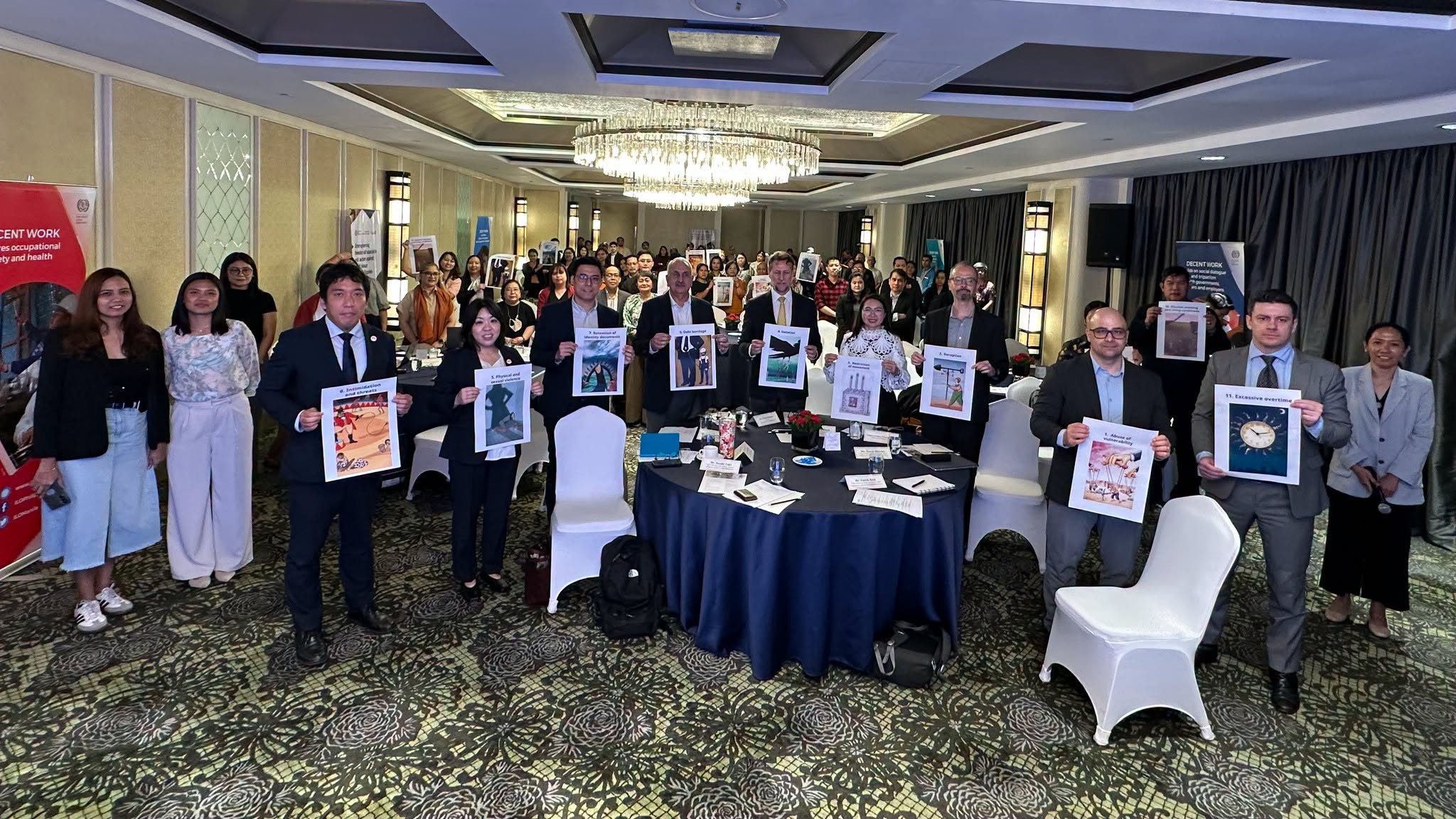
The International Labour Organization (ILO) and the Canadian government have jointly launched a four-year project, PRIME PH, aimed at eliminating forced labor in the Philippines. The initiative will run from 2026 until February 2030. PRIME PH will work with the Philippine government, labor and employer groups, and other stakeholders to strengthen policies, prevent and address forced labor, protect workers, and improve access to justice and remedies. It is supported by the Labour Program of Employment and Social Development Canada. According to the ILO, eliminating all forms of forced or compulsory labor is a fundamental principle and right at work, essential to achieving decent work, social justice, and human dignity. "Forced labor has no place in our societies. Eliminating this practice is fundamental to achieving decent work, social justice, and human dignity," said Khalid Hassan, Director of the ILO Country Office for the Philippines. The initiative further aims to strengthen the Philippines’ compliance with international labor standards, promote decent work, and encourage responsible business practices, particularly in the manufacturing and agriculture sectors exporting to Canada. "Protection from forced labor is fundamental to decent work, human dignity, and fair competition. The Philippines stands at the forefront of this effort, with strong labor standards that protect workers, uphold human rights, and strengthen our place in global trade," said Labor Secretary Francis Tolentino. The ILO identifies agriculture, manufacturing, and mining as sectors where the risk of forced labor is particularly high, as the practice is often hidden, making it difficult to determine its true scale and identify workers who need protection. However, forced labor has growing implications for the country’s trade and businesses. The Canadian government defines forced labor as a “serious violation of human rights that demands a targeted response." John Zerucelli, Canada’s Secretary of State for Labour, stated, "The PRIME PH project will advance efforts in Philippine tradeable sectors to prevent forced labour and strengthen protections for workers. Through these types of partnerships, we can help build fairer workplaces while ensuring worker’s rights are respected.” Patty Hajdu, Canada’s Minister of Jobs and Families, added, “By working together, Canada and the Philippines can strengthen opportunities for workers and businesses alike by keeping workers’ rights at the heart of our economic partnership and creating lasting benefits for communities in both countries.” PRIME PH was established to address labor gaps, prevent exploitation, protect victims of forced labor, strengthen enforcement, and promote responsible business practices through stronger cooperation among government, workers, employers, civil society, and other partners. Nearly 100 representatives from government, workers’ and employers’ groups, civil society, development partners, academia, and the private sector joined the launch and reaffirmed their commitment to promoting decent work and ending forced labor. —RF, GMA News
Original source
GMA News Philippines