Dien Bien Province Suffers Over 15 Billion VND in Damages from Heavy Rains
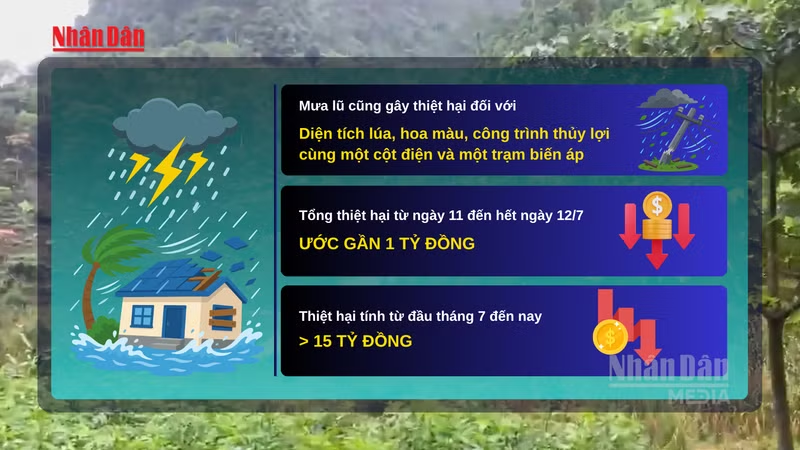
Continuous heavy rainfall in Vietnam's northern Dien Bien province from July 11-12 has caused landslides, severely impacting housing, transportation, agriculture, and infrastructure. Local authorities are expediting recovery efforts, with total damages exceeding 15 billion VND.
Dien Bien Province in northern Vietnam has been severely impacted by continuous heavy rainfall from July 11-12. The downpour triggered widespread landslides, affecting housing, transportation networks, agricultural production, and infrastructure in numerous localities. Local authorities are working diligently to assess the damage and expedite recovery efforts, prioritizing the safety of residents. The total estimated damages have now surpassed 15 billion Vietnamese Dong (approximately 87 million USD). Specifically, four additional xã (administrative units) within Dien Bien Province have reported damages due to the heavy rains, highlighting the severity of the situation. Meteorological agencies have issued warnings for potential flash floods and landslides in Lai Chau, Dien Bien, and Son La provinces throughout the night of July 12. Furthermore, widespread heavy rainfall is anticipated across northern regions from July 19-23 due to the potential development of a tropical depression, necessitating continued vigilance. While Vietnam, under its one-party system, pursues state-led infrastructure development, the country is increasingly facing challenges from extreme weather events linked to climate change. Mountainous northern areas are particularly vulnerable to landslides. The damages in Dien Bien Province underscore the vulnerability to natural disasters that Vietnam's rapidly growing economy must confront.
多角的分析
豪雨によるインフラ被害は、短期的な復旧コストだけでなく、長期的な経済成長にも影響を与えうる。特に農業や交通網への打撃は、地域経済の停滞を招く可能性がある。ベトナム政府は、経済成長と気候変動適応策の両立という難しい課題に直面しており、インフラ投資の優先順位や防災対策への予算配分が重要となる。過去の事例では、同様の自然災害がサプライチェーンの寸断を引き起こし、輸出産業にも間接的な影響を与えたケースがある。
今回の被害は、ベトナム国内、特にインフラ関連や農業関連企業への短期的な投資リスクを高める。しかし、長期的には、防災・減災インフラへの投資機会を生み出す可能性もある。海外からの投資家は、気候変動リスクを考慮した事業計画や、サプライチェーンのレジリエンス強化策を重視するようになるだろう。ベトナム政府による復興支援策や、防災インフラへの投資計画が、投資判断の鍵となる。
豪雨による土砂崩れは、ディエンビエン省の農村部における住民の生活基盤を直接的に脅かしている。住宅の損壊や農地の流出は、住民の生計を困難にし、避難生活を余儀なくされる人々もいる。また、交通網の寸断は、物資の供給や医療アクセスにも影響を及ぼす可能性がある。特に、インフラ整備が進んでいない山岳地帯では、こうした災害の影響がより深刻化しやすい。SNS上では、被災地の窮状や支援を求める声が上がっており、地域社会の連帯と外部からの支援が求められている。
ディエンビエン省の住民にとって、豪雨は生活の安全と財産を直接的に脅かすものです。家屋が損壊したり、農地が失われたりすることは、日々の暮らしを成り立たせる基盤を揺るがします。交通網の寸断は、外部からの支援物資の到着を遅らせ、孤立感を深める可能性があります。また、子供たちの通学路が寸断されるなど、教育への影響も懸念されます。被災した人々は、復旧までの間、行政や地域社会、そして国際的な支援に希望を託すことになります。
背景・歴史的文脈
ベトナム北部山岳地帯は、地形的な要因から土砂崩れのリスクが高い地域です。近年、気候変動による異常気象、特に集中豪雨の頻度と強度の増加が、このリスクをさらに高めています。2018年には、ベトナム中部で発生した大規模洪水により、多数の死傷者と甚大な経済的損失が発生しており、自然災害への対応はベトナム政府にとって喫緊の課題となっています。経済成長を続けるベトナムですが、その発展の陰で、気候変動への適応策や防災インフラへの投資が追いついていない現状があります。
原文ソース
Nhan Dan