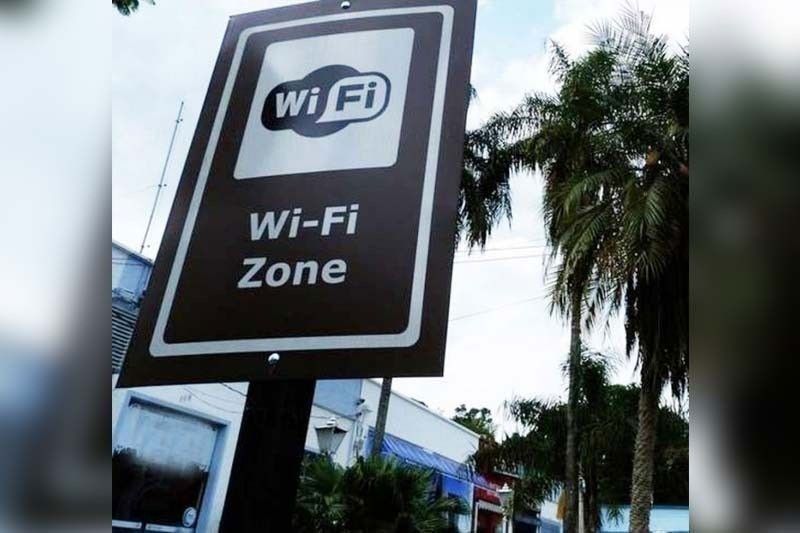
Philippines Allocates P112 Million for Free WiFi in Tourist Spots
The Department of Information and Communications Technology (DICT) in the Philippines is allocating over P112 million to establish free WiFi in 323 key tourist destinations nationwide. The project aims to connect tourists via satellite, with bids opening soon for internet service providers meeting specific speed and data requirements.
This article requires PRO
This article is outside the free access window or is a special report. PRO unlocks it and the full archive.
Related articles
- Philippines Eyes 1% Sustainable Aviation Fuel Blend by 2030
The Philippines is aiming to mandate a 1% blend of sustainable aviation fuel (SAF) in aviation fuel by 2030 as part of its decarbonization efforts for the aviation industry. While domestic SAF production is currently non-existent, the government is building policy and regulatory foundations.
- Visa Applications in Philippines Surge 20% Amid Rising Airfares
Despite soaring airfares, visa applications in the Philippines rose by 20% in the eight months to August, with a notable increase in non-Schengen destinations.
- Philippine Visa Applications Surge 20% as Filipinos Explore Global Opportunities
Philippine visa applications surged by 20% from January to August 2026 compared to the previous year, according to VFS Global. The company attributes this rise to growing confidence and a strong desire among Filipino travelers to explore opportunities abroad, with non-Schengen countries like Australia, Canada, and Japan being top destinations. They also cautioned against visa fraud.
- Filipino Visa Applications Surge 20% Year-to-Date
Filipino visa applications saw a 20% increase from January to October this year compared to the same period last year. This surge may reflect heightened travel aspirations or shifts in economic conditions.