General articles are free for 24 hours after publish.
Cambodia Sees Over 7,000 New Enterprises and Factories in PM Hun Manet's First Three Years, Signaling Confidence in Economy and Workforce
Over the first three years of Prime Minister Hun Manet's administration, Cambodia has seen a significant increase of 7,194 enterprises and factories, bringing the total to 47,494. This growth, occurring amidst global economic uncertainties, indicates growing investor confidence in Cambodia's political stability, investment climate, and workforce.
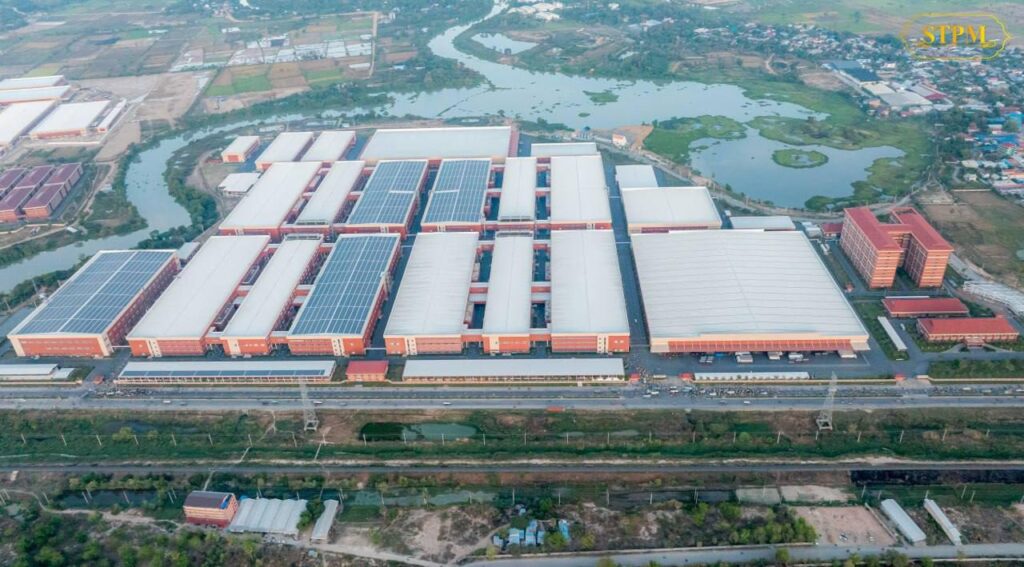
Over the past three years of the 7th legislature's mandate, led by Prime Minister Samdech Thipadei Hun Manet, the number of enterprises, companies, and factories registered with the Ministry of Labour and Vocational Training has increased from approximately 40,300 to 47,494, marking a rise of 7,194 enterprises, or about 18 percent. This growth has occurred amidst a global economic landscape that continues to face uncertainty, including geopolitical tensions, supply chain disruptions, and intensified competition for investment in the region. Sun Messa, spokesperson for the Ministry of Labour and Vocational Training, stated that this increase reflects the confidence of both domestic and foreign investors in Cambodia's stability, investment climate, and the potential of its workforce. "Simply put, an increase of 7,194 enterprises means thousands of additional investment decisions in Cambodia. It can also be considered 7,194 voices of confidence in stability, the new government, and the future of Cambodia's economy and workforce," he emphasized. According to the spokesperson, when investors choose a country for investment, they consider not only labor costs but also political stability, the quality and skills of the workforce, productivity, the ability to learn new technologies, and long-term competitiveness. Out of the total registered enterprises exceeding 47,000, the industrial sector accounts for nearly 8,000 enterprises, while the garment, footwear, travel goods, bags, and supporting industries sector comprises nearly 3,000 factories. This development has contributed to an increase in the number of employees and staff across enterprises to over 2.3 million, with the industrial sector employing approximately 1.6 million workers and the garment and supporting industries sector employing over 1.2 million workers. Sun Messa clarified that the rise in enterprises does not solely mean the addition of new buildings or factories but also creates subsequent economic opportunities around the production chain. He noted, "A factory or enterprise is not just a workplace; it generates employment, income, and demand for transportation, rental housing, food, commerce, and numerous surrounding services." However, for the Ministry of Labour, Cambodia's next objective is not merely to increase the number of enterprises and factories but to continue attracting investments with higher technology, productivity, and added value, while also enhancing the quality and skills of the workforce to align with the evolving labor market. In this regard, the government has prioritized human capital development, technical and vocational training, and productivity enhancement to ensure that Cambodia's workforce can meet the demands of the private sector and the competitiveness of the economy in this new phase. Sun Messa added that Cambodia must continue to compete in attracting investment based on stability, workforce quality, skills, productivity, and adaptability to new technologies, so that enterprise growth can be transformed into good jobs, better income, and sustainable development.
Original source
Kampuchea Thmey Local