Thailand to Mandate Source Disclosure for Cash Deposits Over B5 Million
Business
2026年7月11日
5
Bangkok Post

Thailand to Mandate Source Disclosure for Cash Deposits Over B5 Million

AI サマリー

The Bank of Thailand will mandate disclosure of fund sources for cash deposits exceeding 5 million baht starting in the fourth quarter, aiming to curb the 'grey economy' and illicit financial activities.

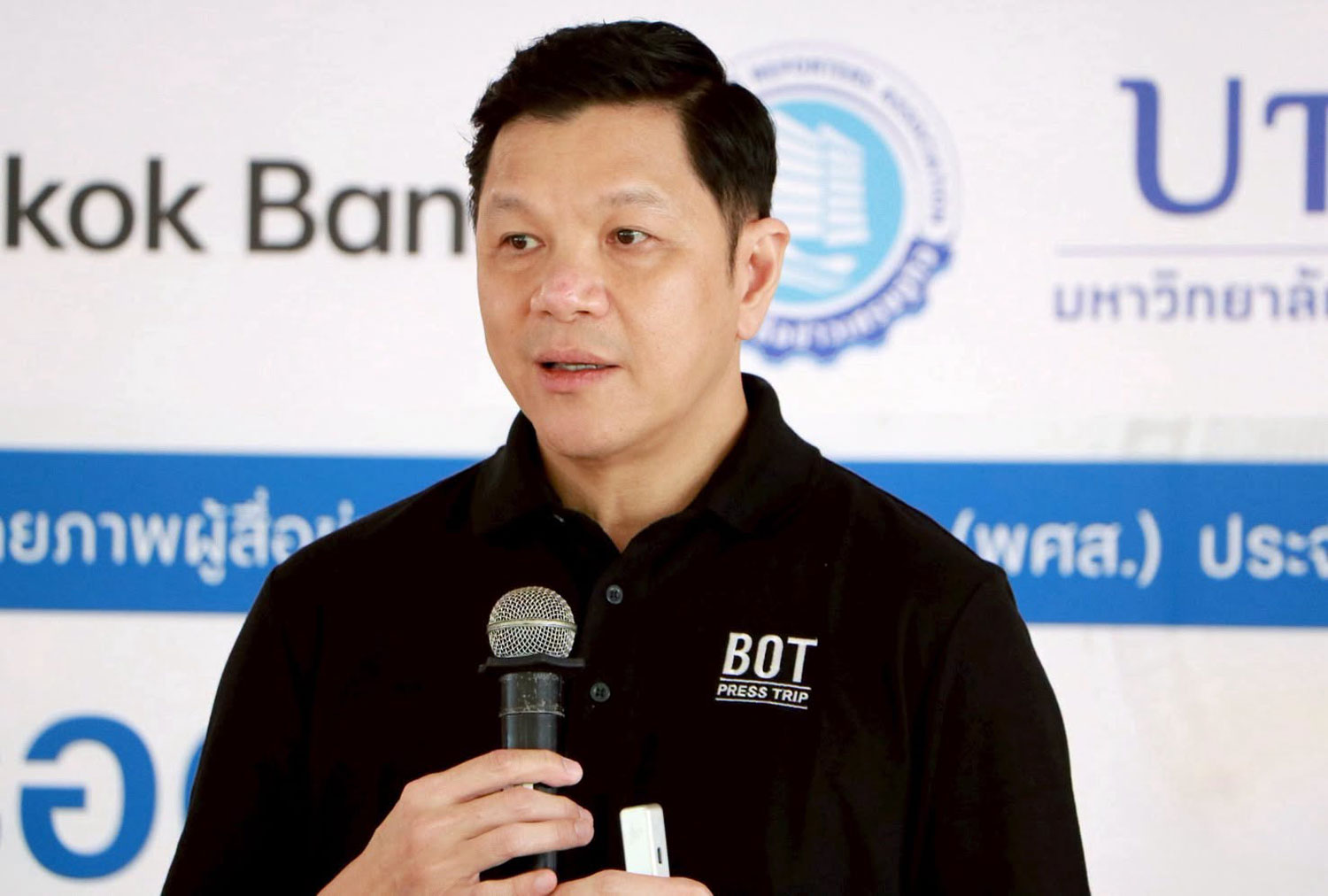
The Bank of Thailand (BoT) will mandate the disclosure of fund sources for cash deposits exceeding 5 million baht starting in the fourth quarter, as part of tightened measures to curb the 'grey economy' and illicit financial activities, according to BoT Governor Vitai Ratanakorn. Mr Vitai stated during a meeting with economic reporters that the central bank places high priority on tackling Thailand’s structural problems, particularly the informal economy, grey capital, and corruption. Consequently, the BoT aims to prevent financial institutions under its supervision from being used as channels for illegal activities, prompting enhanced oversight. Officials are currently renewing the scope of the central bank’s legal authority before finalising the deposit disclosure requirements. The measures will also cover large cash exchange transactions, requiring customers seeking to exchange 1,000-baht banknotes for 100- or 500-baht notes to explain the purpose of the transaction and why the smaller denominations are needed. Under a separate measure introduced earlier this year, cash withdrawals exceeding 5 million baht are subject to enhanced due diligence. Commercial banks and state-owned financial institutions are required to verify customers’ reasons for using cash and assess whether transactions could instead be conducted through electronic transfers or cheques. Legitimate business transactions remain permitted, Mr Vitai said. Since the measures took effect in April and May, large cash withdrawals have fallen by 35%, and enforcement will be standardised across all banks to further reduce such transactions. The central bank governor also called for structural reforms, observing the failure of successive governments to address the country’s long-term economic weaknesses. Thailand has relied primarily on short-term projects, promotion, and public relations while making little progress on long-term structural reforms. The Thai economy has proved more resilient than expected during the Middle East conflict, prompting the BoT to project GDP growth of a modest 2.3% this year instead of the 1.5% contraction feared under the worst-case scenario. However, the more pressing challenge remains deep-rooted structural problems, which continue to erode long-term growth potential. “We have structural problems because resources are concentrated in the hands of large businesses, and we also face issues relating to the grey economy,” he said. “What we have seen over the years are mainly short-term projects. There has been very little effort to solve long-term problems.” The structural weaknesses are evident in persistently low productivity caused by years of inadequate investment in innovation and modern infrastructure; an ageing society that is steadily shrinking the country’s workforce; and an increasingly unequal K-shaped recovery, in which large corporations continue to recover and access financing while low-income households and small businesses remain constrained and struggle to obtain formal credit.

多角的分析

経済的影響

今回の現金預金に対する情報源開示義務化は、タイ経済の構造的な弱点である「グレーエコノミー」の抑制を狙った重要な一歩です。過去の政府が短期的な対策に終始し、根本的な構造改革を怠ってきた結果、富の偏在や生産性の低迷といった問題が深刻化しています。今回の措置は、不正な資金流入を防ぎ、より透明性の高い金融システムを構築することで、長期的な経済成長の基盤を強化しようとする試みと見られます。しかし、その実効性は、開示された情報の分析と、それに基づく適切な法執行にかかっています。また、中小企業や個人事業主の資金調達への影響も注視する必要があります。

投資家心理

この措置は、タイの金融市場における透明性と信頼性を高める可能性があり、長期的な視点では投資家にとってポジティブに働く可能性があります。しかし、短期的な影響としては、一部の投資家や事業者が資金の流れを一時的に制約される可能性も否定できません。特に、現金取引が多い業種や、グレーエコノミーに依存するビジネスモデルを持つ企業にとっては、事業運営の見直しを迫られるかもしれません。一方で、コンプライアンスを遵守する優良企業への資金流入は促進されると考えられます。投資家は、この措置がもたらす市場の構造変化を慎重に見極める必要があります。

社会的影響

500万バーツ超の現金預金に対する情報源開示義務化は、タイ社会における富の偏在と「グレーエコノミー」の存在を浮き彫りにしています。この措置は、不正な資金の流入を防ぎ、より公平な経済システムを目指すものですが、一方で、合法的な範囲での現金取引を行う一般市民や中小企業経営者にとっては、手続きの煩雑さや、自身の資金の流れに対する監視が強まることへの懸念が生じる可能性があります。特に、地方や、デジタル化が進んでいないコミュニティでは、現金でのやり取りが生活の一部となっている場合もあり、こうした層への影響を考慮した丁寧な説明とサポートが求められます。また、この措置が、社会全体の信頼醸成にどのように貢献するかが問われます。

市民の声

今回の措置は、一般市民の生活に直接的な影響を与える可能性は低いものの、タイ社会全体の経済構造に変化をもたらす可能性があります。特に、高額な現金を日常的に扱う一部の事業主や個人にとっては、資金源の提示が求められることで、これまでの取引方法の見直しが必要になるかもしれません。一方で、不正な資金の流れが抑制されれば、より健全な経済活動が行われるようになり、長期的に見れば、社会全体の公平性や安定につながることが期待されます。市民としては、情報開示義務化の具体的な運用方法や、それが自身の生活にどのような影響を与えるかを注視していく必要があります。

背景・歴史的文脈

タイにおける「グレーエコノミー」は、長年にわたり経済の構造的な弱点として指摘されてきました。これは、公式な統計に現れない地下経済や、脱税、不正な資金移動などが含まれる広範な概念です。歴代政権は、経済成長を優先するあまり、こうした構造問題への本格的な対処を避けてきた経緯があります。特に、近年の経済成長の鈍化や、富の偏在の深刻化を受けて、タイ中央銀行(BOT)は、より踏み込んだ対策の必要性を訴えてきました。2024年4月と5月には、既に500万バーツを超える現金引き出しに対するデューデリジェンス強化策が導入されており、今回の預金開示義務化は、その流れをさらに進めるものと言えます。

原文ソース

Bangkok Post

原文を読む