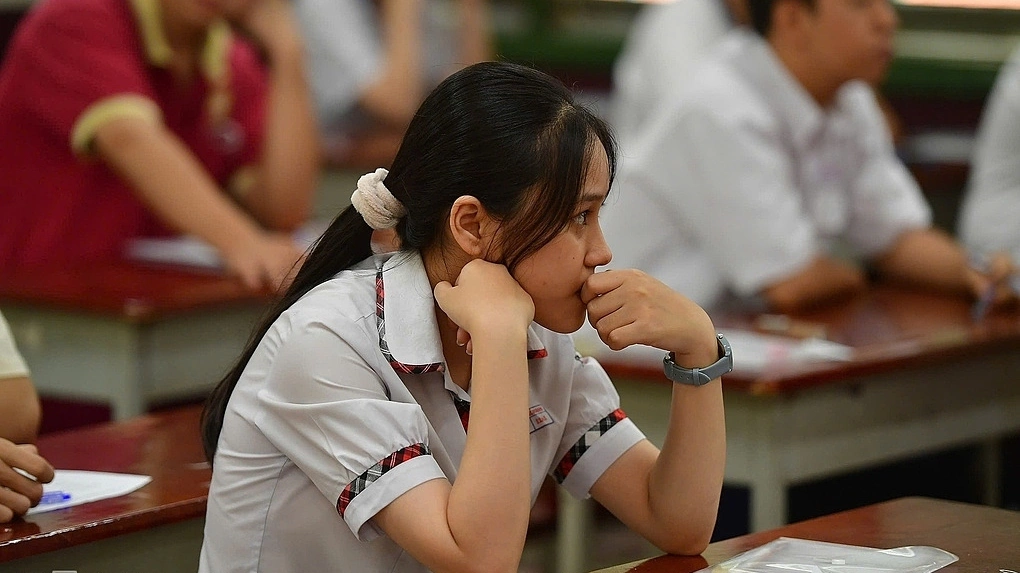
Vietnam University Tuition Soars, Burdening Households Beyond Traditional Fields
Health
2026年7月7日
5
VnExpress

Vietnam University Tuition Soars, Burdening Households Beyond Traditional Fields

AI サマリー

As many Vietnamese universities announce significant tuition hikes for the 2026 academic year, concerns are rising over the high costs, even for fields requiring only a laptop. Public university tuition averages VND 20-35 million annually, placing a substantial financial strain on families, especially those with children studying in cities.

As many universities in Vietnam prepare to significantly increase tuition fees starting from the 2026 academic year, questions are being raised about the high costs, particularly in fields like economics, finance, accounting, and law, which traditionally require only a laptop for study. "Many fields like Economics, Finance, and Accounting only require a laptop for students to study, but I don't understand why the tuition fees are so high?" lamented a reader. "For fields in Science, Technology, Medicine, Biology, Chemistry, and those using complex machinery and equipment for learning, high tuition fees are understandable. But for fields where students only need a laptop, like Economics, Finance, Accounting, and Law... I don't understand the reason for such high tuition fees?" This sentiment was echoed by readers after nearly 120 universities announced their tuition fees for 2026. According to the enrollment proposals of these institutions, most have announced annual tuition fees, commonly ranging from VND 20-35 million (approximately $800-$1,400 USD), with the highest reaching nearly VND 200 million ($8,000 USD). Some universities have announced tuition fees based on credits, with the common rate being VND 0.5-1.5 million ($20-$60 USD) per credit. A typical four-to-five-year course requires 120-140 credits. University tuition fees have been on an upward trend for the past three years, partly due to an increase in the tuition cap under Government Decree No. 97 (2023). For the 2026-2027 academic year, the maximum tuition fee collectible at public universities not yet self-sufficient is VND 1.71-3.5 million ($70-$140 USD) per month, an increase of approximately 11% compared to the previous academic year. Comparing current university tuition fees with parental income, reader Damynghephanvinh expressed concern: "The average university tuition is about VND 3 million ($120 USD) per month. Add accommodation and living expenses of about VND 5-6 million ($200-$240 USD) if students from provinces study in the city. In total, the cost of university education is around VND 8-10 million ($320-$400 USD) per month. With the salary of a factory worker in an industrial zone, one parent working the entire month might barely be able to support one child through university." Sharing a similar view, reader Windyplace analyzed: "If parents are unskilled laborers or factory workers, supporting one child through university is almost beyond their capacity. If a family has two children studying at university, it will be a huge burden. Let's assume two people can earn about VND 200 million ($8,000 USD) a year and spend frugally, leaving VND 100 million ($4,000 USD) in savings. Meanwhile, one child's university education costs at least VND 30 million ($1,200 USD) in tuition, and living expenses in rented accommodation (VND 1.5 million for rent, VND 3 million for food) annually also cost VND 40-55 million ($1,600-$2,200 USD), essentially consuming all parental savings. Therefore, I hope parents provide good guidance for their children. If a child has good academic potential, they should go to university. Otherwise, they should consider vocational training." Reader Songque added: "My family, and the generations of my siblings (born after 1995), have all been oriented towards vocational college and foreign language studies. Three siblings studied at Hanoi Vocational College of Technology, one sibling studied nursing at a vocational college and is studying abroad in Germany, and another sibling studied nursing at a vocational college and is studying abroad in Japan. These siblings learned very quickly; it only took two years of theory and one year of practical training to find good jobs with very good salaries at FDI companies, compared to university graduates. University education has now become a significant financial burden for children from rural families, as the current generation of parents are factory workers earning basic salaries of VND 5-7 million ($200-$280 USD) per month. Therefore, university is no longer everything; be wise according to social needs and self-worth." Le Pham compiled. Source: VnExpress

多角的分析

経済的影響

ベトナムの高等教育機関における学費の高騰は、大学の運営費増加や、政府による財政支援の限定化を背景としている。特に、自己財源で運営する公立大学(自律大学)は、学費収入への依存度が高まっており、これが学費引き上げの直接的な要因となっている。経済成長に伴うインフレや、教育の質向上への投資要求も学費を押し上げる一因と考えられる。しかし、平均所得の伸びが学費の上昇ペースに追いついていない現状は、教育機会の不均等を生み出すリスクをはらんでいる。

投資家心理

ベトナムの高等教育セクターは、人口動態や中間層の拡大を背景に、長期的な成長潜在力を持つ。学費引き上げは、大学にとっては収入増につながるが、学生や保護者にとっては負担増となる。投資家にとっては、教育関連サービス(オンライン学習プラットフォーム、教材開発、留学支援など)への投資機会が生まれる可能性がある一方、学生の経済的負担増が教育へのアクセスを制限し、将来的な労働力供給に影響を与えるリスクも考慮する必要がある。特に、教育の質と費用対効果のバランスが、投資判断の鍵となるだろう。

社会的影響

大学学費の高騰は、特に地方出身の学生や低所得層の家庭にとって、高等教育へのアクセスを著しく困難にしている。これは、教育格差の拡大、ひいては社会階層の固定化につながる懸念がある。親世代が工業団地の労働者として低賃金で働く中、子供を大学に行かせることは経済的に不可能に近い状況が生まれている。このため、職業訓練校への進路選択が現実的な選択肢として浮上しているが、社会全体として、大学教育が持つとされる社会的地位やキャリアアップへの期待との間で、価値観の揺れが生じている。ハノイやホーチミン市のような都市部への学生の集中と、地方の教育インフラの格差も、この問題をさらに複雑化させている。

市民の声

ベトナムの一党体制下では、教育政策は国家の社会経済発展戦略と一体となって推進される。高等教育へのアクセスは、個人のキャリア形成だけでなく、国家の人的資本育成という観点からも重視されてきた。しかし、経済成長の恩恵が国民全体に均等に行き渡らず、特に地方や低所得層の家庭が大学学費の負担に苦しむ現状は、社会的な不満や格差の拡大につながる可能性がある。政府は、教育の質向上と機会均等を両立させるための政策的対応、例えば学費支援制度の拡充や、職業教育の質の向上と社会的な評価の向上などが求められている。

背景・歴史的文脈

ベトナムでは、1986年のドイモイ(刷新)政策以降、市場経済化が進み、高等教育機関の自律性が徐々に高められてきた。特に2000年代以降、多くの公立大学が自己財源で運営するようになり、学費収入への依存度が増加した。2014年の政府令第86号や、2023年の第97号では、学費の上限が段階的に引き上げられ、大学がより柔軟に学費を設定できるようになった。これは、教育の質向上や大学運営の効率化を目的としているが、同時に、経済成長に見合わない所得水準の国民にとっては、高等教育へのアクセスを困難にする要因ともなっている。特に、科学技術分野や高度専門職分野への投資を強化する一方で、経済・法学などの分野でも学費が高騰している現状は、国民の多様なニーズと政策の乖離を示唆している。

原文ソース

VnExpress

原文を読む