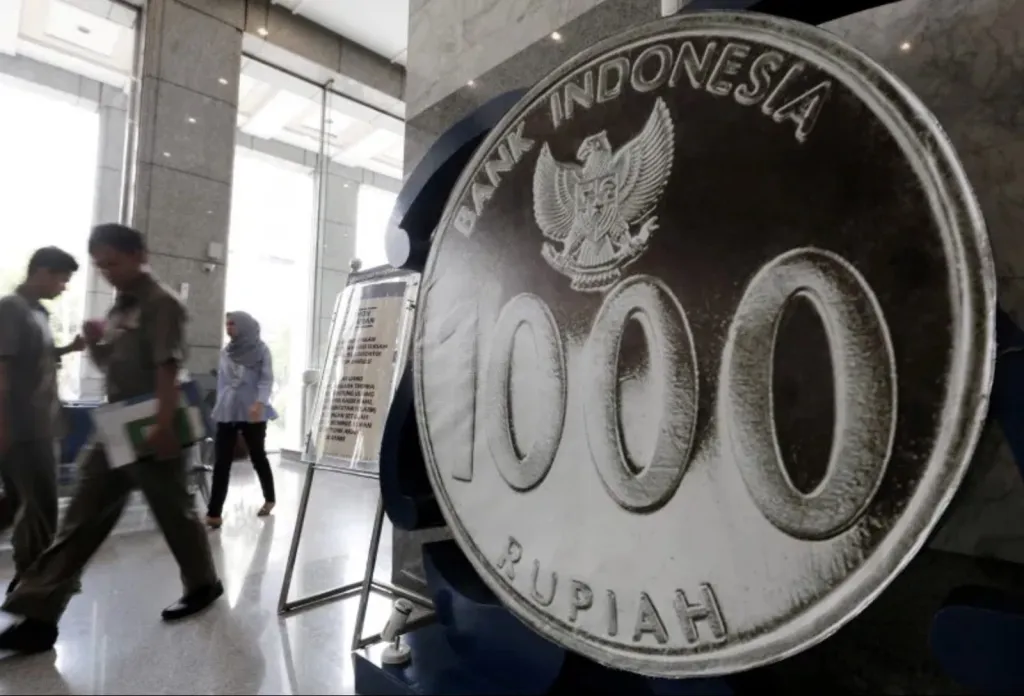
Indonesia Rewrites Emerging Market Inflation Playbook
Economy
2026年7月10日
3
Asia Times Indonesia

Indonesia Rewrites Emerging Market Inflation Playbook

AI サマリー

Indonesia's central bank is successfully curbing inflation not by solely relying on traditional interest rate hikes, but by combining supply-side management with price stabilization measures. This may represent a new model for inflation control in emerging markets.

Indonesia's central bank (BI) is drawing attention for its approach that overturns the conventional wisdom on inflation control in emerging markets. Instead of relying solely on traditional monetary policy, namely interest rate hikes, it is effectively curbing inflationary pressures by combining supply-side management with direct price stabilization measures. Traditionally, when faced with rising prices, central banks in emerging economies have commonly resorted to raising interest rates to cool demand. This framework, known as inflation targeting, has functioned as a standard monetary policy globally since the 1990s. However, Indonesia is forging its own path, unconstrained by this established practice. BI is not merely manipulating interest rates but is also actively implementing policies to stabilize the supply of essential goods such as food items. This includes encouraging domestic production, improving distribution networks, and adjusting imports as necessary. These supply-side interventions contribute to preventing sharp price fluctuations and maintaining consumers' purchasing power. The background to this approach lies in the structural characteristics of the Indonesian economy. In emerging economies, inflation often stems not just from excess demand but also from supply constraints and logistical issues. By directly addressing these supply-side factors, BI appears to be aiming for inflation control that is more sustainable and has less impact on people's lives. This Indonesian endeavor is likely to attract further attention globally as it presents emerging countries with a new option for inflation management. Especially in the current environment of ongoing disruptions to global supply chains, the importance of stabilizing the supply side is being highlighted. Source: Asia Times Indonesia

多角的分析

経済的影響

インドネシア中央銀行(BI)が採用するインフレ抑制策は、従来の需要抑制型(利上げ)から供給管理型へとシフトしている。これは、新興国におけるインフレの主因が、グローバルなサプライチェーンの混乱や国内の物流問題といった供給サイドの要因に起因するケースが増加しているという認識に基づいている。供給サイドの安定化は、物価の急激な変動を抑え、実質所得の目減りを防ぐ効果が期待できる。しかし、供給管理策は、その効果が発現するまでに時間を要する可能性があり、また、国内生産の奨励や輸入調整は、産業政策との連携や国際的な通商関係にも影響を与えうる。

投資家心理

インドネシアのインフレ対策は、投資家にとって安定した投資環境を提供する可能性を秘めている。伝統的な利上げは、経済成長の鈍化や企業収益の悪化を招くリスクを伴うが、供給サイドへの働きかけは、より穏やかな景気調整を可能にする。これにより、インドネシアへの直接投資や証券投資のリスクプレミアムを低下させ、資本流入を促進する可能性がある。ただし、供給管理策の有効性や、それが国際的な市場原理とどのように調和するかが、投資判断の鍵となる。

社会的影響

インドネシアがインフレ対策で利上げ以外の手法を重視する姿勢は、国民生活に直接的な影響を与える。金利上昇は、住宅ローンや自動車ローンなどの負担を増加させ、家計を圧迫する。一方、供給サイドの管理や価格安定化策は、食料品などの生活必需品の価格を安定させ、低所得者層の購買力を維持する上で重要である。特に、ジャカルタのような大都市では、食料価格の変動が家計を大きく左右するため、こうした政策は市民の安心感に直結する。しかし、供給管理が国内産業保護に偏りすぎると、消費者選択の幅が狭まる可能性も指摘される。

市民の声

インドネシア市民、特に低所得者層にとって、中央銀行が利上げ以外の方法で物価上昇を抑えようとする姿勢は、歓迎すべき兆候と言える。食料品や日用品の価格が安定することは、日々の生活費の計算を容易にし、家計の急激な悪化を防ぐ。例えば、ジャカルタの市場で働く人々にとって、米や野菜の価格が安定することは、生活の基盤を守ることに他ならない。ただし、供給管理策が、国内生産者への過度な保護や、輸入品への制限につながる場合、長期的に見れば商品選択の幅が狭まったり、品質が低下したりする懸念も無視できない。

背景・歴史的文脈

インドネシアにおけるインフレ対策の歴史は、経済成長と物価安定のバランスを模索する過程であった。1997-98年のアジア通貨危機以降、インドネシア中央銀行はインフレ・ターゲティングを導入し、金利政策による物価安定化を目指してきた。しかし、近年、グローバルなサプライチェーンの混乱や、国内の農業・漁業における生産性の課題が浮き彫りになる中で、インフレの要因が単なる需要過多に留まらないことが認識され始めた。特に、食料品価格の変動は、国民生活に直結するため、供給サイドへの直接的な介入が、より効果的な政策として見直されるようになった。これは、経済のグローバル化とローカルな供給制約という、二律背反する課題への対応とも言える。

原文ソース

Asia Times Indonesia

原文を読む
Indonesia Rewrites Emerging Market Inflation Playbook | NEWS-BRAIN