General articles are free for 24 hours after publish.
How Mang Inasal Grew into a Fast-Food Giant in the Philippines
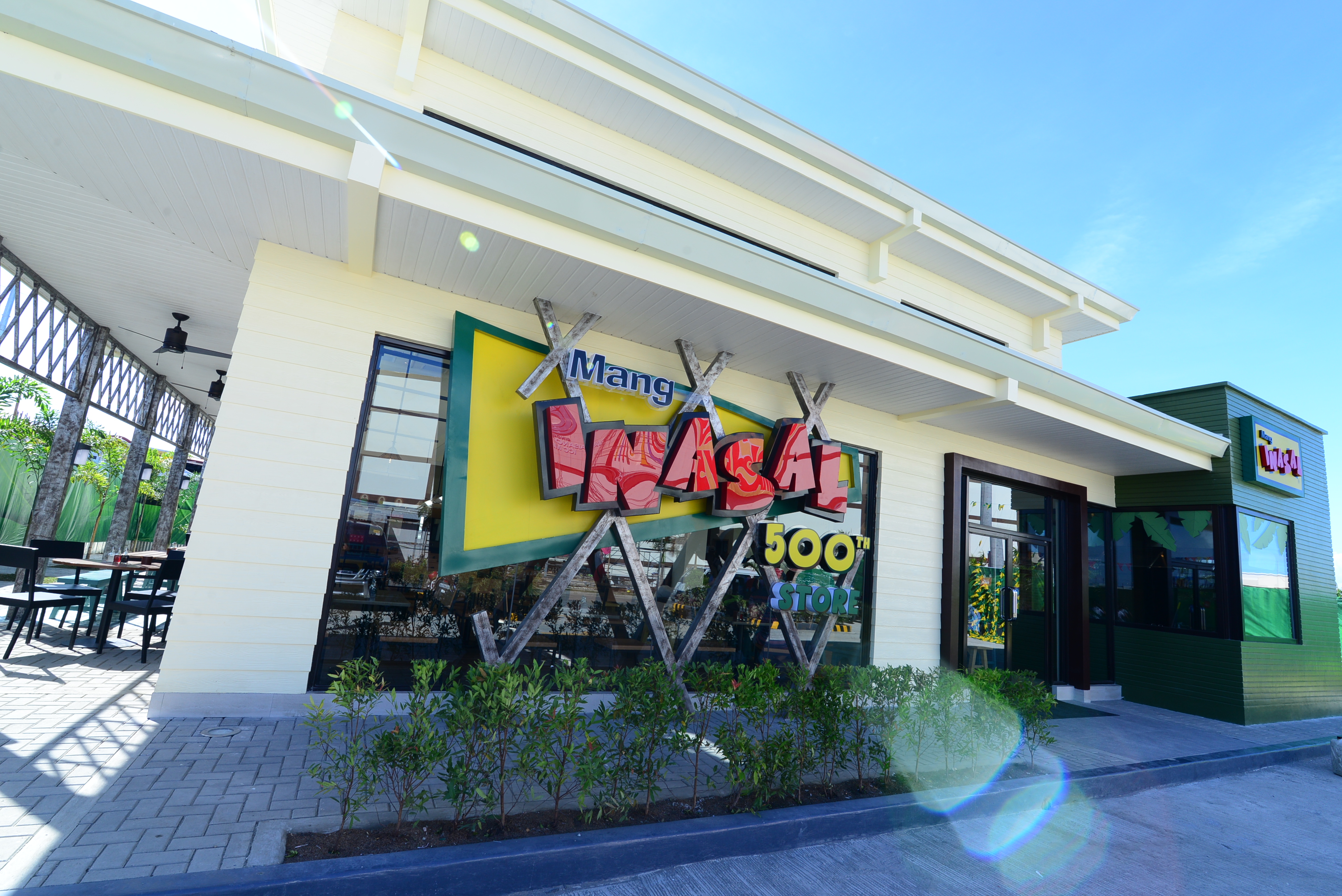
Mang Inasal, a Filipino fast-food brand, has expanded from a single outlet in Iloilo City to over 500 stores nationwide. Its success is built on local dining habits and an affordable unlimited rice concept, leading to its acquisition by Jollibee Foods Corporation (JFC) in 2010 for further growth.
MANILA, Philippines — From a single outlet in Iloilo City to a nationwide chain of over 500 stores, Mang Inasal has established itself as one of the Philippines’ most successful fast-food brands by scaling local dining habits into a major corporate operation. Founded on December 12, 2003, at Robinsons Place Iloilo by Edgar “Injap” Sia II, the restaurant built its initial success on a simple premise: pairing traditional Iloilo-style grilled chicken with unlimited rice. The affordable quick-service concept filled a distinct niche in the local market, driving rapid regional expansion. The brand’s commercial success caught the attention of Jollibee Foods Corp. (JFC), which purchased a 70-percent controlling stake in Mang Inasal in 2010 for ₱3 billion. JFC completed its acquisition of the remaining 30 percent in 2016, integrating the chain entirely into its portfolio. Meanwhile, the takeover provided Mang Inasal with JFC’s extensive supply chain, corporate systems, and financial resources, allowing the brand to aggressively scale its presence across Luzon, Visayas, and Mindanao via dine-in, takeout, drive-thru, and delivery channels. Mang Inasal’s network relies on a mix of corporate and franchise-owned operations, generating thousands of jobs in restaurant operations, logistics, and management. Additionally, the chain’s expansion has also extended into local agricultural supply chains. The Jollibee Group Foundation and its partner organization, Ahon sa Hirap Inc., integrated local farmers in Laguna and Rizal into the company’s supply chain to produce raw ingredients like ginger. In 2021, these partner farming communities supplied 22 percent of Mang Inasal’s total ginger requirements, providing direct institutional demand for local growers. Two decades after its launch, Mang Inasal remains a dominant force in the Philippine food-service sector by keeping its original core offering intact while leveraging corporate scale to reach the mass market. /pai
Original source
Inquirer Business