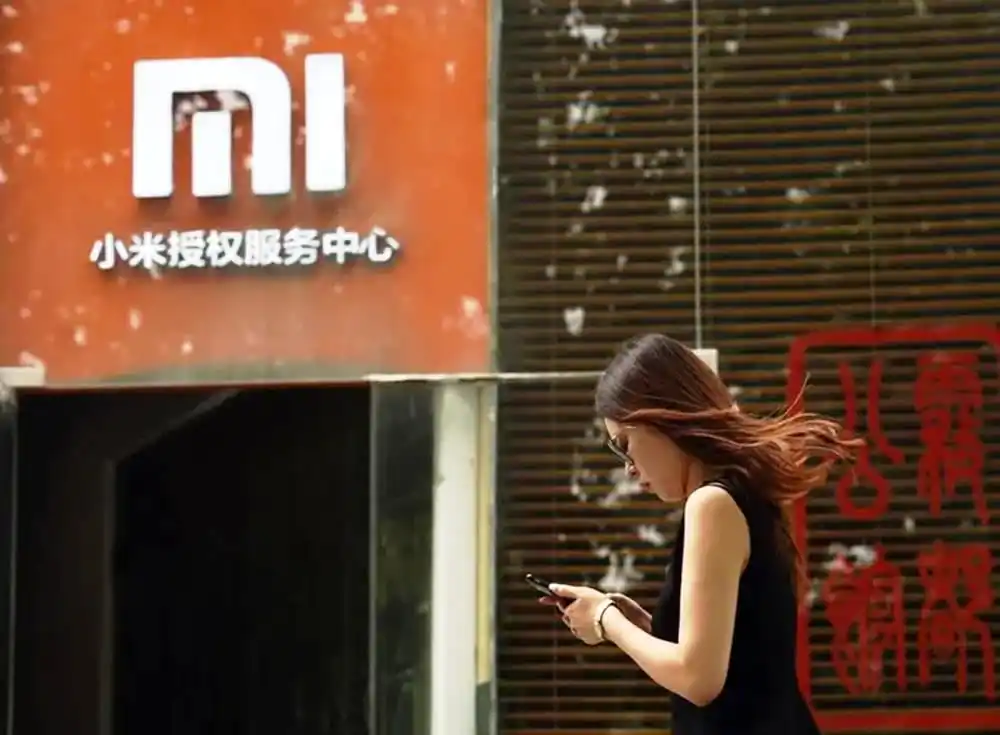
Xiaomi Stock Plummets 60% in a Year Amidst Global Tech Downturn
Economy
2026年7月4日
5
Chiang Rai Times
Relations
🇹🇭Thailand🇨🇳China

Xiaomi Stock Plummets 60% in a Year Amidst Global Tech Downturn

AI サマリー

Chinese tech giant Xiaomi's stock price has plunged over 60% in the past year, erasing over 1 trillion baht in market value. While direct impact in Thailand is seen as limited, the global shift in investment sentiment is notable.

Home - Finance - Xiaomi Wipeout: Inside the Tech Giant’s 60% Stock Market Crash HONG KONG – The stock price of Xiaomi Corporation has suffered a catastrophic drop over the past year. Investors have watched in shock as the Chinese technology giant went through a deep market correction. Once hailed as a stock market darling, Xiaomi is now struggling to regain its footing in a highly volatile market. In 2025, the company’s stock soared to an all-time high of HKD 61.45. Today, those shares have crashed to below HKD 22, wiping out a massive amount of shareholder wealth. The rapid decline highlights the brutal realities of the global tech industry and shifting consumer demands. Just a year ago, the financial picture for Xiaomi looked completely different. The company was riding a massive wave of investor optimism across global markets. This widespread excitement pushed the stock price to a record-breaking HKD 61.45. Xiaomi was not just selling smartphones anymore during this massive growth phase. They had successfully expanded into smart home appliances and advanced wearable technology. Furthermore, their bold entry into the electric vehicle market captured the world’s attention. Financial news outlets like CNBC frequently praised Xiaomi’s aggressive and bold growth strategy. Retail investors and large institutions alike poured heavy amounts of money into the stock. They genuinely believed the company could easily challenge global tech titans like Apple and Tesla. However, the financial markets are famously unpredictable and can change without warning. The strong momentum that carried Xiaomi to record highs suddenly vanished into thin air. A mix of global economic fears and local market pressures triggered a massive stock sell-off. This market correction was brutal, swift, and caught many analysts completely off guard. Tech stocks across the board felt the pain, but Xiaomi was hit especially hard. As the stock tumbled, many investors rushed to sell their shares to limit their financial losses. According to reports from Reuters, rising global inflation and higher interest rates played a major role. Consumers around the world began tightening their belts to survive the economic squeeze. People were simply not buying as many new smartphones or expensive gadgets as before. The math behind Xiaomi’s stock crash is truly staggering for anyone to analyze. Falling from an all-time high of over HKD 61 to below HKD 22 represents a drop of more than 60%. This is not just a minor market dip; it is a fundamental shift in valuation. The real-world financial impact of this massive stock drop is truly historically massive. Over HKD 1 trillion in market value has simply evaporated from the global stock exchange. To put that into perspective, that number is larger than the total economy of many small countries. Large institutional investors have had to quickly rebalance their entire asset holdings. Meanwhile, retail investors who bought at the very top are sadly left holding the bag. The financial pain has sparked intense debates and widespread panic on popular investing forums. A major factor in Xiaomi’s earlier stock surge was its ambitious electric vehicle division. The company’s new electric sedan generated massive hype when it was first officially announced. Investors falsely believed Xiaomi could instantly replicate its smartphone success in the tough automotive industry. The global EV market has recently turned into a brutal and unforgiving price war. Competitors like BYD and Tesla have aggressively slashed car prices to maintain their market share. This fierce competition has made it incredibly difficult for a brand-new player like Xiaomi. Furthermore, manufacturing modern electric vehicles requires massive amounts of upfront capital and resources. Xiaomi is currently burning through cash to scale up its automotive production lines. As noted by Bloomberg, investors are rapidly growing impatient with these exceptionally high manufacturing costs. The global smartphone market has become incredibly saturated and stagnant in recent years. Xiaomi is fighting a daily battle for market share against massive rivals like Apple and Samsung. At the same time, they face aggressive pricing competition from fellow Chinese brands like Oppo. Consumers are holding onto their older mobile phones for much longer periods today. The lack of groundbreaking new features means fewer people feel the immediate need to upgrade. This steadily slowing upgrade cycle hurts Xiaomi’s core revenue stream directly and severely. To win over hesitant buyers, the company has heavily discounted its flagship smart devices. While price cuts can boost short-term sales, they ultimately destroy long-term corporate profitability. This dangerous race to the bottom has thoroughly spooked many large institutional investors. Beyond the EV struggles, Xiaomi’s core electronics business is also facing severe operational headwinds. The cost of manufacturing modern smartphones and smart devices has steadily skyrocketed. Specifically, the global price of computer memory chips has increased dramatically over the past year. Higher component costs directly and painfully eat into Xiaomi’s overall profit margins. The company currently has a very difficult and risky choice to make. They can either raise prices and risk losing customers, or absorb the high costs themselves. Global supply chain disruptions have also caused massive headaches for the executive management team. Getting the right technical parts at the right time remains an ongoing logistical challenge. Consequently, Wall Street has downgraded the company’s future earnings forecasts multiple times. It is impossible to discuss Xiaomi’s stock crash without mentioning the broader Chinese economy. The domestic market in China historically accounts for a massive portion of Xiaomi’s total revenue. Unfortunately, the Chinese economy has been facing significant financial struggles recently. Overall consumer confidence in the Chinese market remains relatively low and highly unstable. Issues in the real estate sector and rising unemployment have made everyday consumers very cautious. When everyday people feel financially insecure, they actively delay buying new smartphones and luxury TVs. Additionally, corporate regulatory environments remain highly complex and are constantly changing. Technology companies in China must carefully navigate strict government guidelines to survive. Many foreign investment funds have completely reduced their exposure to Chinese tech stocks as a safety measure. Financial analysts are currently deeply divided on Xiaomi’s future business prospects. Some experts view the 60% drop as a massive overreaction by the panicked stock market. These optimistic voices believe the company’s strong brand identity will ensure a long-term recovery. However, the financial bears in the stock market are much louder right now. They constantly point to the ongoin

多角的分析

経済的影響

シャオミ株の60%超の下落は、グローバルなインフレ、金利上昇、そして中国経済の減速というマクロ経済的要因が複合的に作用した結果である。特に、消費者の可処分所得の減少は、高価なテクノロジー製品への支出を抑制し、シャオミのような企業の売上と利益率に直接的な打撃を与えている。EV市場における激しい価格競争と、スマートフォン市場の飽和・低成長も、同社の収益基盤を脆弱にしている。これらの要因は、タイ経済にとっても、グローバルなサプライチェーンや輸出入、そして国内消費者の購買力に間接的な影響を与える可能性がある。

投資家心理

シャオミ株の暴落は、過去の楽観論が現実の経済的圧力によって打ち砕かれた典型例である。投資家は、EV市場への参入といった成長戦略に過度な期待を寄せていたが、その実現には巨額の資本投資と厳しい市場競争という現実が立ちはだかった。また、中国経済の不確実性と規制リスクも、外国投資家のタイトなリスク管理を促し、中国テック株からの資金流出を加速させている。タイの投資家にとっても、グローバルな投資環境の変動は、ポートフォリオのリスク管理を一層重要にしていることを示唆している。

社会的影響

シャオミ株の暴落は、テクノロジー製品への過度な依存と、それがもたらす経済的脆弱性を浮き彫りにする。消費者は、スマートフォンの買い替えサイクルを長期化させ、高価なガジェットへの支出を控えるようになっている。これは、タイの消費者の購買行動にも影響を与えうる。また、EV市場への新規参入の難しさは、技術革新と市場投入の間のギャップを示しており、タイの自動車産業や関連技術開発にも示唆を与える。さらに、中国国内の景気低迷は、タイの観光業や輸出にも間接的な影響を及ぼす可能性がある。

市民の声

シャオミ株の暴落は、タイ国民の日常生活に直接的な影響を与える可能性は低いものの、間接的な影響は無視できない。例えば、スマートフォンや家電製品の価格変動、あるいはタイ国内でのシャオミ製品の入手可能性に影響が出るかもしれない。また、中国経済の減速は、タイへの観光客減少や、タイから中国への輸出減少につながる可能性があり、国民の雇用や所得に影響を与えることも考えられる。投資家ではない一般市民にとっても、グローバル経済の動向は、物価や生活費に影響を与えるため、注視すべきである。

背景・歴史的文脈

シャオミの株価暴落は、2025年の史上最高値から約60%下落した。これは、グローバルなテクノロジー業界の過熱感とその後の調整、そして世界経済の不確実性の高まりが背景にある。特に、インフレと金利上昇は、消費者の可処分所得を圧迫し、高価なテクノロジー製品への支出を抑制した。また、中国経済の減速、不動産市場の低迷、失業率の上昇も、シャオミの主要市場である中国国内の需要を冷え込ませた。EV市場への新規参入の難しさや、スマートフォン市場の飽和も、同社の業績に影を落としている。これらの要因が複合的に作用し、投資家の信頼を失墜させた。

原文ソース

Chiang Rai Times

原文を読む