Singapore, Malaysia to Introduce Digital Immigration System
Technology
2026年7月10日
3
VnExpress International

Singapore, Malaysia to Introduce Digital Immigration System

AI サマリー

Singapore and Malaysia will jointly introduce a digital immigration system to enhance efficiency at their shared border crossings. The initiative is expected to be announced by the leaders of both nations once technical preparations are complete, aiming to streamline travel and accommodate increasing numbers of travelers.

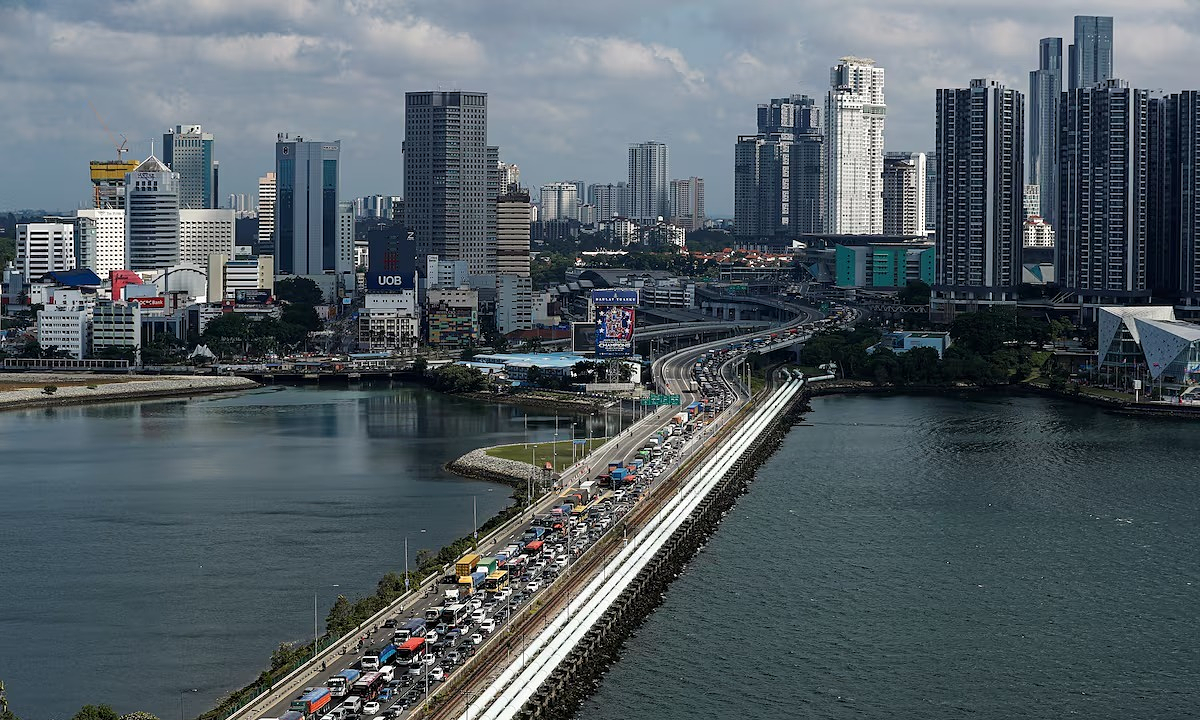
Singapore and Malaysia are set to introduce a digital immigration system to improve efficiency at one of the world's busiest international border crossings. Malaysian Prime Minister Anwar Ibrahim stated that the initiative will be launched jointly with his Singaporean counterpart, Lawrence Wong, once all technical preparations and infrastructure are completed. The new system will feature more advanced movement procedures to facilitate travel between Singapore and Johor. According to the Prime Minister, traffic flow and border operations have significantly improved over the past three years, but the Malaysian government remains committed to further upgrading the system to accommodate the growing number of travelers. A report by the Malaysian Ministry of Home Affairs indicates that modernization efforts have yielded promising initial results, with nearly 20 million QR code scans recorded at the two main checkpoints, Bangunan Sultan Iskandar and Kompleks Sultan Abu Bakar, since the system's introduction. Beyond technological modernization, Anwar highlighted that improving border operations is only part of a broader solution. The Malaysian government is also focusing on strengthening domestic economic opportunities by promoting investments in artificial intelligence (AI), data centers, and other advanced technologies. This strategy aims to create more high-paying jobs, alleviating the need for Malaysians to endure long queues daily to commute to Singapore for work. Additionally, the government is promoting affordable housing projects to ensure local residents, especially young people in Johor, can afford to own homes amid the region's rapidly developing economy. Malaysia ranks third in Southeast Asia in nominal GDP per capita, with a GDP per capita of US$14,423 according to the International Monetary Fund's (IMF) 2025 estimates. It trails Singapore at $93,956 and Brunei at $37,023. Source: VnExpress International

多角的分析

経済的影響

このデジタル入国管理システムの導入は、シンガポールとマレーシア間の経済活動の円滑化に直接貢献する。特に、ジョホールからシンガポールへの通勤労働者の移動時間短縮は、生産性の向上に繋がり、両国の経済成長を後押しする可能性がある。また、マレーシア政府がAIやデータセンターへの投資を促進し、高賃金雇用を創出する戦略は、国内経済の構造転換を目指すものであり、経済成長の持続可能性を高める狙いがある。

投資家心理

このニュースは、両国間の貿易・物流の効率化を示唆するため、サプライチェーン関連企業や物流業者にとってポジティブなシグナルとなる。また、マレーシア政府による先端技術分野への投資促進は、これらの分野におけるスタートアップや既存企業への投資機会を創出する可能性がある。ただし、インフラ整備の遅延や技術的な問題が発生した場合、投資家はリスクを慎重に評価する必要がある。

社会的影響

デジタル入国管理システムの導入は、シンガポールとマレーシア、特にジョホール州の住民にとって、通勤の負担軽減という形で生活の質を向上させる可能性がある。長蛇の列に並ぶ時間の短縮は、日々の生活に余裕をもたらすだろう。一方で、マレーシア政府が国内経済の強化と高賃金雇用の創出を目指す政策は、ジョホール州からの人材流出を食い止め、地域経済の活性化につながることが期待される。手頃な価格の住宅プロジェクトは、若年層の住宅所有を支援し、社会的な安定に寄与するだろう。

市民の声

このニュースは、シンガポールとマレーシア間の移動が多い市民、特にジョホールからシンガポールへ通勤する人々にとって、日々の生活の利便性が向上する可能性を示唆している。長年の課題であった国境での混雑が緩和されれば、通勤時間が短縮され、より多くの時間を家族や休息に充てることができるようになるだろう。また、マレーシア国内での雇用機会の増加は、若年層の将来への希望を高める要因となる。

背景・歴史的文脈

シンガポールとマレーシアを結ぶウッドランズ・コーズウェイと第二リンクは、世界でも最も交通量の多い国境の一つである。特にジョホール州からシンガポールへ通勤する労働者は毎日数万人規模に上り、慢性的な渋滞が問題となっていた。この状況は、両国の経済発展と労働力移動の活発さを示す一方で、インフラの限界も露呈していた。マレーシア政府は、国内経済の活性化と国民の生活水準向上のため、従来からのインフラ整備に加え、先端技術の導入による効率化と高付加価値産業の育成を両輪で進める政策を推進している。

原文ソース

VnExpress International

原文を読む