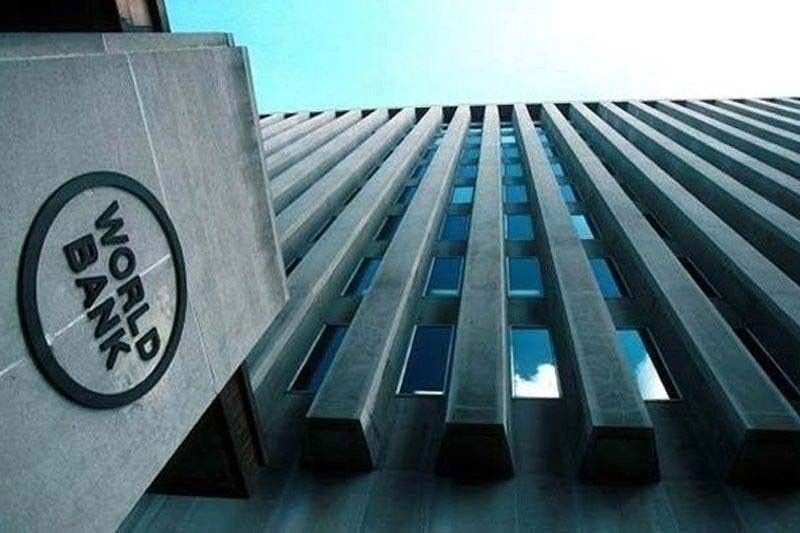
World Bank Approves $1.02 Billion for Philippine Water and Energy Security
Business
2026年6月30日
5
Philstar Business

World Bank Approves $1.02 Billion for Philippine Water and Energy Security

AI サマリー

The World Bank has approved a $1.02 billion financing package to improve water and energy access in the Philippines. This marks the largest support package to date for the country, aiming to boost renewable energy adoption and enhance water resource management.

The World Bank has approved a $1.02-billion financing package, consisting of a loan and grant, to support efforts to expand and improve access to electricity and water in the Philippines. In a statement yesterday, the multilateral lender said that it has approved the Second Energy Transition and Climate Development Policy Loan (DPL) comprising a $1-billion loan from the World Bank’s International Bank for Reconstruction and Development and a $20-million performance-based grant from the Livable Planet Fund. This is the largest amount of support approved by the World Bank for the Philippines. The DPL builds on gains under the first operation, which established the legal framework for offshore wind, launched the reserve market, expanded retail energy competition and set the groundwork for sustainable local water services. Through the newly approved DPL, the aim is to address the high and volatile cost of electricity by accelerating the deployment of homegrown energy solutions, while reducing reliance on imported fossil fuels. This will be done by supporting measures to increase the country’s domestic energy capacity and mobilizing private investment, including the full operationalization of the Renewable Energy Market integration of electric vehicle charging into utility planning and the launch of the country’s first-ever offshore wind auction. The auction targets 3.3 gigawatts of contracted capacity by 2030, which is enough to support millions of homes. It is also expected to mobilize $7 billion in private investment. “The Philippines has everything it needs to power itself at lower cost – wind along its coasts, sunlight year-round and geothermal energy beneath its soil,” Zafer Mustafao?lu, division director for the Philippines, Malaysia and Brunei at the World Bank, said. “This operation helps turn those natural advantages into reliable, affordable electricity for Filipino families and businesses,” he added. Apart from supporting energy security efforts, the DPL also seeks to tackle long-standing challenges in the water sector, particularly financing and institutional capacity of local government units responsible for providing services. By supporting cost-recovery tariff frameworks, a unified financing structure, as well as bulk water pricing regulations, the DPL aims to increase the number of local water providers with sustainable business plans from 10 to 100 by next year. “At a time when global energy markets are deeply volatile, this DPL helps the Philippines take control of its own energy future, support growth and create jobs,” Mustafao?lu said.

多角的分析

経済的影響

この融資は、フィリピン経済が直面するエネルギーコストの高騰と、化石燃料への依存という構造的な課題に対処するものです。再生可能エネルギーへの転換は、長期的に見てエネルギー輸入コストを削減し、貿易収支の改善に寄与する可能性があります。また、洋上風力発電オークションによる70億ドルの民間投資の呼び込みは、直接的な経済効果に加え、関連産業の育成や雇用創出にも繋がることが期待されます。水セクターへの支援も、インフラ整備とサービス品質向上を通じて、産業活動の安定化や国民生活の質向上に貢献するでしょう。

投資家心理

投資家にとって、この融資はフィリピンのエネルギー・インフラ分野におけるリスク低減と成長機会の拡大を示唆します。再生可能エネルギーへの大規模な投資は、政策的な後押しと相まって、長期的な収益性が見込めるプロジェクトを生み出す可能性があります。特に洋上風力発電は、フィリピンの地理的条件を活かせる分野であり、国際的な気候変動対策の流れとも合致しています。ただし、プロジェクトの実行リスクや、電力市場の規制変更、政治的安定性などは引き続き注視すべき点です。

社会的影響

この融資は、フィリピン国民の生活に直接的な影響を与えます。電力料金の安定化と水へのアクセス改善は、家計の負担軽減と健康増進に貢献します。特に地方部では、持続可能な水道サービスが不足している地域が多く、今回の支援は生活インフラの格差是正に繋がる可能性があります。また、再生可能エネルギー分野での雇用創出は、若年層の就労機会を広げ、海外労働者として働く必要性を低減させる可能性も秘めています。しかし、インフラ整備の遅延や、料金体系の変更による一時的な負担増への懸念も無視できません。

市民の声

フィリピン国民、特に低所得者層や地方住民にとって、電力料金の安定化と安全な水へのアクセスは生活の根幹に関わる問題です。これまで高騰しがちな電気料金や、水不足・水質汚染に悩まされてきた家庭にとって、この融資によるインフラ改善は歓迎すべきニュースです。しかし、新たな料金体系が導入される場合、その負担がどのように分配されるのか、また、インフラ整備が遅々として進まない過去の事例を踏まえ、具体的な進捗と効果がいつ実感できるのか、といった点に不安を感じる市民もいるでしょう。特に、地方自治体の能力強化がどこまで進むかは、サービス提供の質を左右する重要な要素となります。

背景・歴史的文脈

フィリピンは、エネルギー供給の大部分を輸入化石燃料に依存しており、国際市場の価格変動の影響を受けやすい構造にあります。過去にも、電力不足や高騰する電気料金が経済成長の足かせとなる事例が度々指摘されてきました。また、水資源に関しても、インフラ整備の遅れや地方自治体の資金・技術力不足から、安定した安全な水の供給が課題となっています。これらの背景を踏まえ、世界銀行は、エネルギー転換と気候変動への対応を柱とした政策開発融資(DPL)を継続的に実施しており、今回の融資はその第2弾となります。洋上風力発電の導入は、フィリピンの広大な海岸線という地理的優位性を活かす試みであり、エネルギー自給率向上と脱炭素化の両立を目指すものです。

原文ソース

Philstar Business

原文を読む