Cloud Seeding Operations Launched to Replenish Magat Dam Amidst Declining Water Levels
The Philippine Department of Agriculture has initiated cloud seeding operations over the Magat Dam watershed this month to address declining water levels. The initiative aims to replenish the reservoir, ensuring irrigation supply for farmers and maintaining hydropower generation.
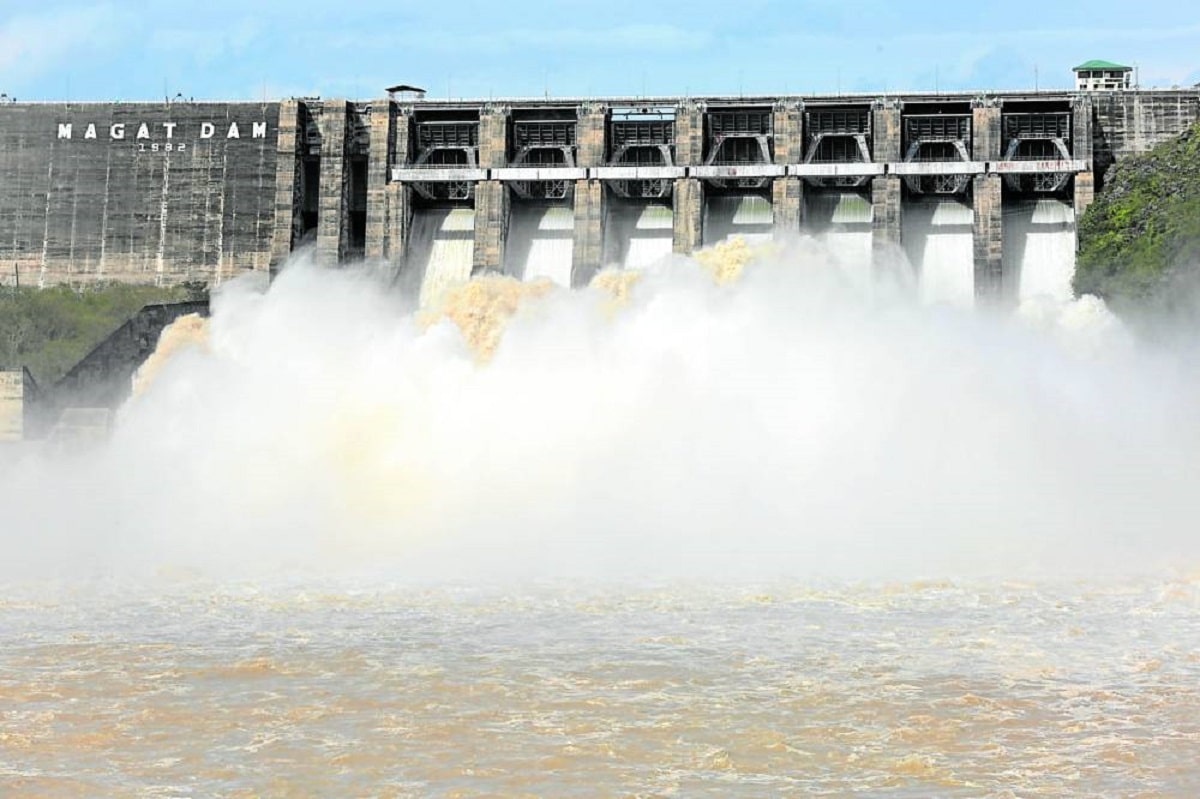
Magat Dam —Inquirer file photo RAMON, ISABELA, Philippines — In an effort to help replenish water in Magat Dam, the Department of Agriculture (DA) has set cloud seeding operations this month over its watershed here, an agency official said on Thursday. Roberto Busania, DA Cagayan Valley regional technical director for operation and extension, said they hoped that the operations would help raise the reservoir level so the dam could supply irrigation water to farmers and run the turbines of a hydropower plant. Cloud seeding was approved after the National Irrigation Administration (NIA)-Magat River Integrated Irrigation System reported the steady decline of the dam’s water level, which has hampered power generation and irrigation supply. READ: Rains dumped by typhoon not enough to raise Magat level Busania said the agency had allocated 30 flying hours for the Magat Dam watershed, as confirmed by the DA’s management committee, with P2.76 million set as initial funding. Operations will start this month until the end of September, subject to the availability of seedable clouds, he said. Water from Magat, a major reservoir that functions as a flood control facility, generates power as well as irrigate some 90,000 hectares of rice farms in Isabela, Quirino, Nueva Vizcaya and Ifugao provinces. At 5 p.m. on Wednesday, the dam’s water elevation was at 163.89 meters above sea level (masl), receding to 163.78 masl by 5 a.m. on Thursday. Twelve days earlier, on June 20, the elevation was still at 170.82 masl. Magat’s normal high water level is 190 masl. READ: P250 million sought to extend lifespan of Magat Dam Edwin Viernes, NIA’s flood forecasting and instrumentation chief in Isabela, said the water recession has been at an average of 80 centimeters daily due to lack of heavy rains at the watershed in the past weeks. He said that without significant rainfall, a “critically low level” could be recorded by July 15 unless irrigation supply would be further reduced or rationed among farmers. The dwindling dam water has delayed land preparation and planting activities in some irrigated areas in northern Luzon. It also led to low oxygen in the water and pollution, contributing to the massive fish kill in the dam that affected about 1,200 operators and growers of tilapia, Bureau of Fisheries and Aquatic Resources-Isabela fishery officer Gerico Gibe earlier said. Busania urged farmers to monitor weather conditions before planting to minimize the risk of crop losses, especially in corn-growing areas, due to insufficient rainfall. In Baguio, the seasonal rains began to replenish the city’s groundwater ahead of the full impact of an anticipated super El Niño by year-end. But the city government is looking into a British-backed feasibility study for a bulk water supply system as a long-term solution to the summer capital’s water problems. Even before the devastation wrought by the 1990 Luzon earthquake, the city was already rationing its tap water for decades. The carrying capacity of Baguio’s water resources was breached in 2002 due top overdevelopment and overpopulation. Mayor Benjamin Magalong said a two-year feasibility study financed by the British government outlined how water can be pumped up to the city from sources like the Ambuklao Dam in Bokod, Benguet, some 36 kilometers away. In the short term, an El Niño response plan encourages households and commercial establishments to invest in more water storage facilities and take advantage of the rains, which families have been collecting from rain gutters as far back as the 1960s, said Noriel Calpito, who heads the water production and distribution office of the Baguio Water District (BWD). The BWD’s weather models show Baguio rains stretching until November but sees a strong El Niño from December until May. Because of the past week’s downpour, 30 of the BWD’s 78 deep wells, comprising about 38 percent of Baguio’s water source, have shown signs of recovery from the dry months, although 25 deep wells still need recharging while 23 others have maintained their pumping levels throughout summer, Calpito said. —WITH A REPORT FROM VINCENT CABREZA
多角的分析
マニラ首都圏の主要な灌漑用水源であるマガットダムの水位低下は、農業生産に直接的な影響を与える。特に米作地帯への水供給が滞ることは、食料価格の上昇や農家の収入減少につながる可能性がある。人工降雨作戦の費用対効果や、長期的な水資源管理の必要性が浮き彫りとなる。
農業セクターへの投資家にとって、水不足は収穫量の不確実性を高めるリスク要因となる。また、水力発電の低下は電力供給の安定性に影響を与え、関連産業のコスト上昇を招く可能性がある。インフラ開発や代替エネルギー源への投資が、より重要視されるようになるだろう。
マガットダムの水位低下は、約9万ヘクタールの米作地帯で働く農家とその家族の生計を直接脅かしている。また、魚の大量死は、ティラピア養殖業者約1200人の収入源を奪い、食料供給にも影響を与える。バギオ市における水不足への対応策は、都市部におけるインフラ整備と住民の生活水準維持の重要性を示唆している。
今回の人工降雨作戦は、農家が直面する水不足という喫緊の課題への対応策であるが、根本的な解決には至らない。特に、エルニーニョ現象の長期化が懸念される中、水資源の持続可能な管理と、より広範なインフラ投資が、国民生活の安定に不可欠となる。バギオ市の事例のように、都市部でも長期的な水供給計画が求められている。
背景・歴史的文脈
フィリピンは熱帯モンスーン気候に属し、年間降水量は多いものの、乾季には水不足が深刻化する。特に、主要な農業地域を支えるダムの水位低下は、食料安全保障に直結する問題である。1990年のルソン大地震以降、インフラの老朽化や、過剰開発・人口増加による水資源への負荷が増大しており、長期的な水資源管理計画の必要性が指摘されてきた。エルニーニョ現象の頻発化・激甚化は、この問題をさらに悪化させる要因となっている。
原文ソース
Inquirer NewsInfo