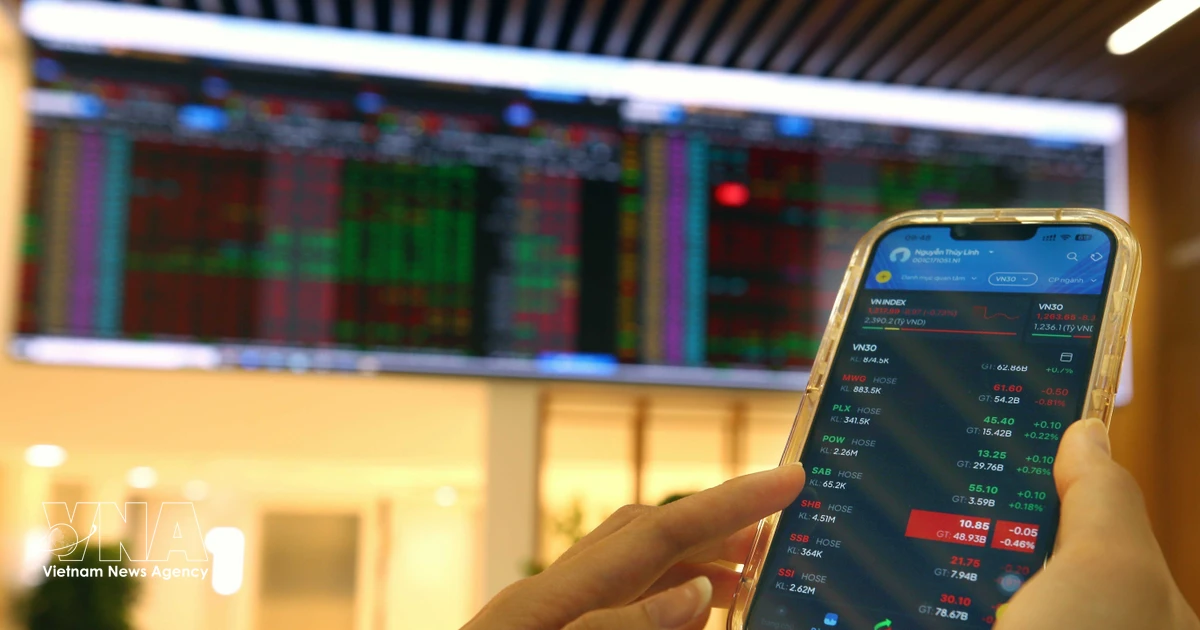
Vietnam's Stock Market Set for Major Internationalization Under Restructuring Plan
Economy
2026年7月7日
5
VietnamPlus English

Vietnam's Stock Market Set for Major Internationalization Under Restructuring Plan

AI サマリー

Vietnam's stock market is undergoing a significant restructuring plan aimed at aligning with international standards and enhancing transparency. Approximately 300 stocks will transfer from the Hanoi Stock Exchange to the Ho Chi Minh Stock Exchange, with phased inclusion into FTSE indices. This marks a crucial step towards strengthening Vietnam's economic competitiveness on the global stage.

Vietnam's stock market is undergoing a comprehensive restructuring plan aimed at aligning with international standards and enhancing transparency. As part of this initiative, approximately 300 stocks are slated for transfer from the Hanoi Stock Exchange (HNX) to the Ho Chi Minh Stock Exchange (HoSE). This move is positioned as a critical step to bolster the international credibility of Vietnam's capital market and attract a broader investor base. According to Bui Hoang Hai, Vice Chairman of the State Securities Commission (SSC), Vietnamese stocks are expected to be integrated into FTSE indices in four phases, beginning in September 2026 and concluding in September 2027. This phased inclusion is anticipated to further heighten the interest of international institutional investors in the Vietnamese market. Hai emphasized that Vietnam's stock market, with its solid foundation and continued commitment to reform, possesses a strong basis for development in a more stable, transparent, and internationally aligned direction. The signing of a strategic cooperation agreement between HDBank and LSE (London Stock Exchange) also supports a long-term framework for Vietnamese enterprises to raise capital abroad, further promoting market internationalization. This market restructuring holds significant importance within the context of Vietnam's economic growth objectives and its enhanced integration with the international community. The Vietnamese government, prioritizing economic growth under its one-party system, seeks to attract further foreign direct investment (FDI) and improve the competitiveness of domestic industries through the modernization of its capital market. Particularly, in light of strong economic ties with China, enhancing market transparency and adhering to international standards are deemed crucial for economic diversification and risk mitigation. While Vietnam's economic growth has been remarkable, the sound development of its capital market is indispensable for its sustainability. This market restructuring represents a strategic stride towards that goal and is expected to contribute to the further development of Vietnam's economy. Source: VietnamPlus English

多角的分析

経済的影響

ベトナム証券市場の国際化に向けた今回の市場再編は、国内資本市場の深耕と成熟を促す重要な一歩である。約300銘柄のHoSEへの移管は、取引の流動性を高め、より大規模な機関投資家がアクセスしやすい環境を整備する狙いがある。FTSE指数への段階的な組み込みは、海外からの直接投資(FDI)を呼び込むための強力なインセンティブとなる。ベトナム経済は近年、製造業を中心に高い成長を遂げているが、その持続的な発展には、国内資本市場の国際競争力強化が不可欠であり、今回の措置はそのための基盤強化策と言える。過去、ベトナム市場は一部の銘柄への集中や、透明性に関する懸念から、一部の国際指数でフロンティア市場に分類されることもあったが、今回の改革は先進市場への移行を目指す意思表示と解釈できる。

投資家心理

今回の市場再編は、ベトナム株式市場への投資を検討する海外投資家にとって、より魅力的な環境が整備されることを意味する。HNXからHoSEへの銘柄移管とFTSE指数への組み込みは、市場の流動性向上と国際的なベンチマークへの連動性を高めるため、ポートフォリオ構築におけるリスク管理とリターン最大化に貢献するだろう。特に、ベトナム経済のファンダメンタルズは堅調であり、地政学的なリスク分散の観点からも、アジア市場における投資先としての魅力が増している。しかし、投資家は、依然としてベトナム特有の規制や市場慣行、そして一党体制下における政策変更のリスクを考慮する必要がある。過去の急激な市場変動や、規制当局による介入の事例も参考に、慎重な投資判断が求められる。

社会的影響

証券市場の国際化は、直接的には一般市民の日常生活に即時の大きな変化をもたらすものではないが、長期的に見れば、国民経済全体の安定と成長に寄与する。市場の透明性向上と国際基準への適合は、不正行為の抑止や投資家保護の強化につながり、国民の金融資産に対する信頼を高める可能性がある。また、経済成長の恩恵がより広く行き渡るようになれば、雇用機会の創出や所得向上に繋がることも期待される。しかし、市場の発展に伴い、国内の個人投資家が国際的な情報格差や金融リテラシーの差に直面する可能性も指摘されており、金融教育の充実も同時に進める必要がある。例えば、ハノイやホーチミンのような大都市圏では、投資に関心を持つ層が増加しており、彼らが国際基準に則った市場で安心して取引できる環境整備が求められている。

市民の声

今回の市場再編は、ベトナム市民、特に投資に関心のある層にとっては、将来的な資産形成の機会拡大に繋がる可能性がある。約300銘柄がより国際的な取引所であるHoSEに移管され、FTSE指数への組み込みが進むことで、市場全体の透明性と信頼性が向上し、より多くの国内個人投資家が株式市場に参加しやすくなるだろう。これは、ベトナムの一党体制下での経済成長が、国民生活の向上にどのように還元されるかという視点からも注目される。地方の農村部など、直接的な株式投資から距離のある層にとっても、経済全体の活性化を通じて間接的な恩恵が期待できる。しかし、国際的な金融市場の動向や規制の変更が、国内市場に影響を与える可能性もあり、市民は情報収集とリスク管理を怠らないことが重要である。

背景・歴史的文脈

ベトナムの証券市場は、1990年代後半に設立されて以来、経済成長とともに発展してきた。当初は小規模で、市場の透明性や規制の面で課題を抱えていたが、政府は国際基準への適合を目指し、段階的な改革を進めてきた。特に、2000年代以降、外国からの直接投資(FDI)の増加に伴い、資本市場の近代化の必要性が高まった。今回の約300銘柄のHNXからHoSEへの移管は、市場の流動性と国際的なアクセス性を向上させるための、これまでで最も大規模な構造改革の一つである。FTSE指数への組み込みは、ベトナムが frontier market(フロンティア市場)から emerging market(新興市場)へとステップアップするための重要な指標となる。

原文ソース

VietnamPlus English

原文を読む