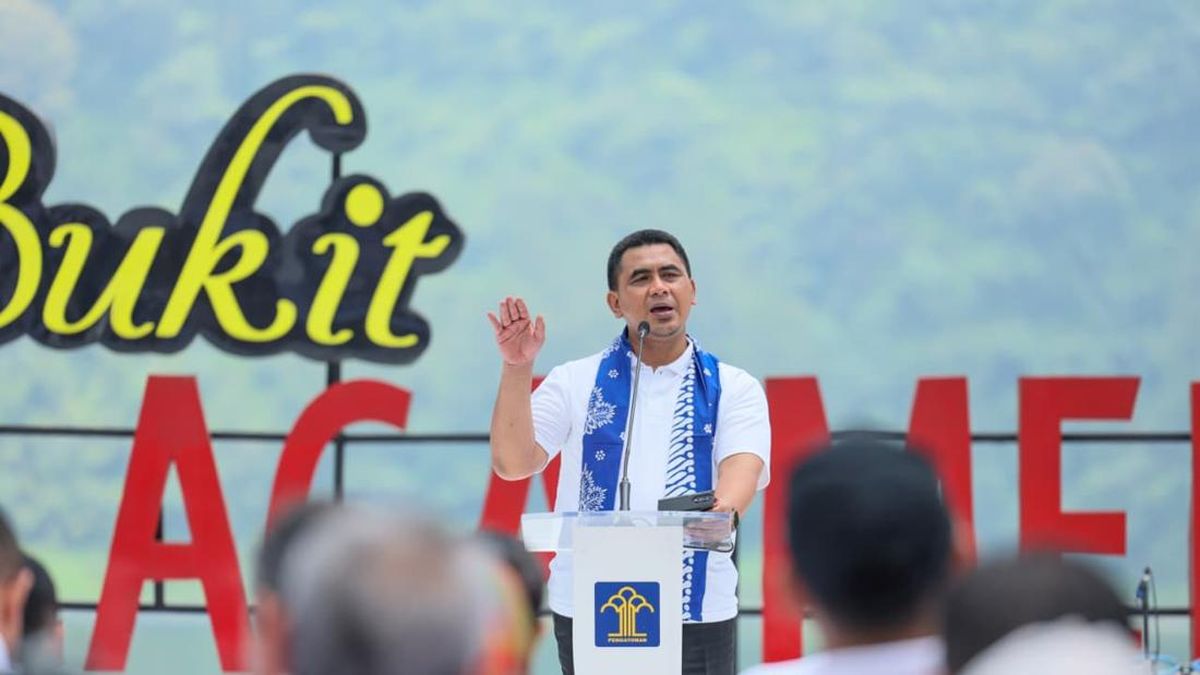
Indonesia Launches Geographical Indication Tourism in Dieng, Merging Local Products with Experiences
Indonesia has launched its first Geographical Indication Tourism (GI Tourism) initiative in the Dieng plateau, Central Java, integrating unique local products with tourist experiences to boost the regional economy and preserve cultural heritage.
Read up to 3 eligible full articles per Japan day (JST) for free
Create a free account to open up to 3 eligible full articles per Japan calendar day (JST). Headlines and summaries remain available across ASEAN 7.
Related articles
- 1934 Sindangkerta Shooting: The Last Trace of Javan Rhinos in Priangan
The male Javan rhino shot in 1934 in the Priangan region marked the last known individual of its kind in the area. Weak enforcement of colonial-era protection laws allowed rampant poaching, highlighting a critical turning point in the species' drastically shrinking habitat.
- Bali Museum Innovates Cultural Experience with Overnight Stays
Bali-based artist Made G. Putrawan is redefining the museum experience with plans for the Putrawan Museum and Art (PUMA) to offer overnight stays, aiming to foster deeper engagement with art and human civilization.
- Jakarta Police Target License Plate Tampering in Operation Zebra
Jakarta Metropolitan Police are intensifying crackdowns on vehicles obscuring their license plates to evade the Electronic Traffic Law Enforcement (ETLE) system. During 'Operation Zebra Jaya 2026,' starting November 16, vehicles with mismatched license plates will be summoned for investigation.
- Surabaya Fishermen March to Jakarta Demanding Cancellation of Artificial Island Project
Fishermen from Surabaya's east coast have met with government officials in Jakarta to demand the cancellation of the environmental impact assessment (AMDAL) for the Surabaya Waterfront Land (SWL) project, an 1,184-hectare land reclamation initiative. The fishermen argue that the issuance of the environmental suitability decree (SKKLH) is illegitimate due to a lack of public participation.