Burdang Taal: Preserving a Dying Philippine Embroidery Art
Culture
2026年7月4日
5
Rappler Philippines

Burdang Taal: Preserving a Dying Philippine Embroidery Art

AI サマリー

The traditional hand-embroidery craft of Burdang Taal in Taal, Batangas, faces an existential threat due to an aging artisan base and competition from machine-made products. Skilled embroiderers are struggling to maintain their livelihood while preserving this cultural heritage, calling for greater support and generational transfer of the art.

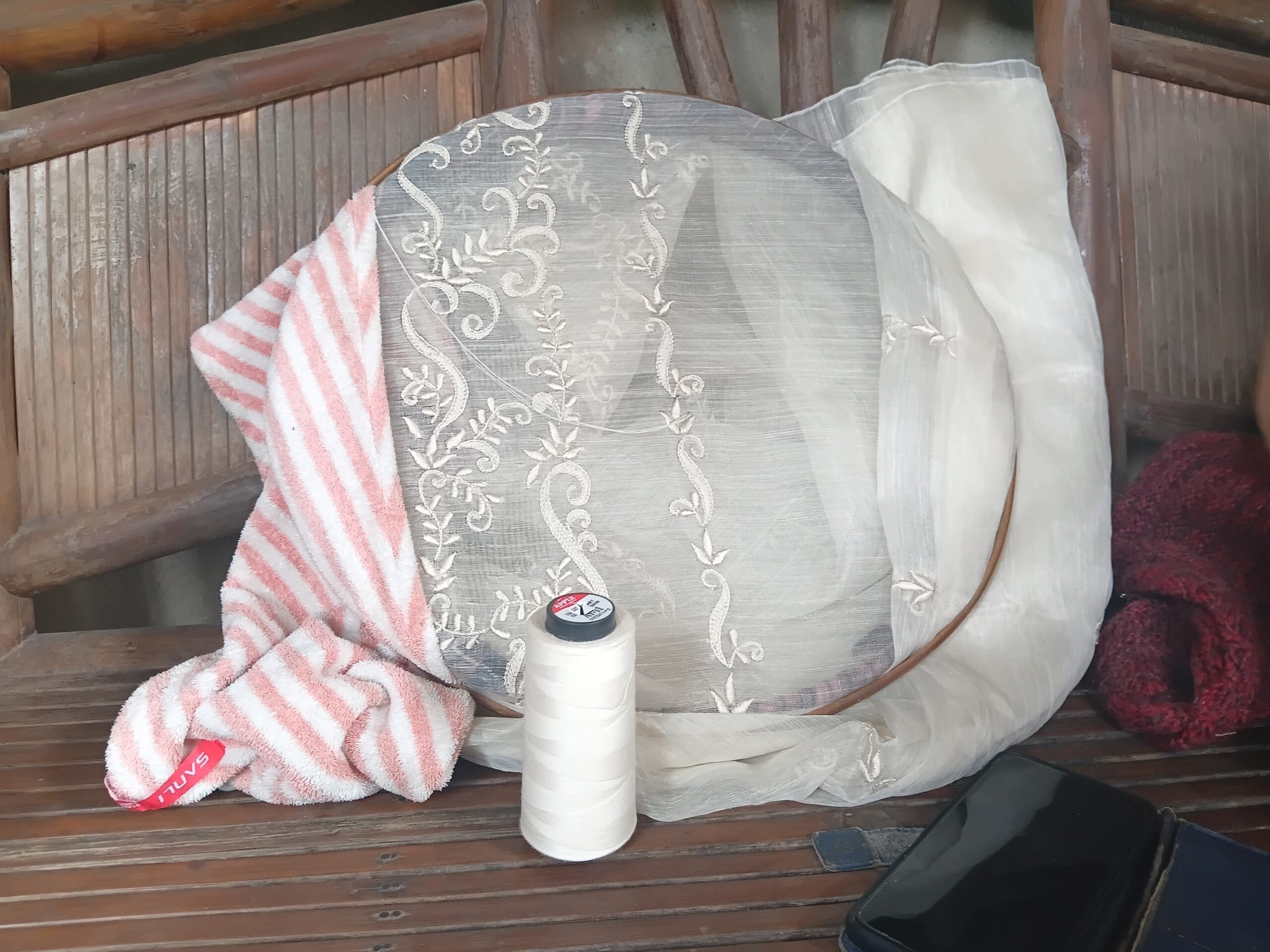
In Taal, Batangas, a traditional hand-embroidery craft known as Burdang Taal, which originated during the Spanish colonial period, is fighting for its survival. This delicate embroidery involves artisans meticulously creating floral and geometric patterns on fine fabrics like piña and jusi. The process includes designing or stamping patterns (pagdidibujo), hand-embroidery, and a piercing and detailing technique (pagka-calado) to enhance the design while preventing fraying. Due to its labor-intensive nature, completing a single hand-embroidered barong can take weeks or even months. Historians say the craft was introduced during the Spanish colonial period when convent nuns taught embroidery to the women of Taal. Over the years, Burdang Taal has remained both a cultural tradition and an important livelihood for many women. However, the tradition faces new challenges today. Mary Jane Marcellana, 56, an embroiderer with 35 years of experience, states, "Back then, even with machines, people still prioritized buying our craft. But today, machine-made barongs produced by factories are chosen because they are cheaper." A study indicates that machine-embroidered garments dominate 65% of the total barong market revenue, with hand-embroidered items like Burdang Taal accounting for only 35%. Embroiderers like Marcellana struggle to earn a sustainable living. They earn approximately 120 pesos per completed piece, a significant increase from the 80 centavos in the 1990s, but rising costs have diminished its value. "The money we earned from this was not enough to fully support a family," she added. Dorina Baja expresses the deep cultural significance of the craft: "This needlework is not just a simple needlework. This is the cultural pride of Batangas. This is Batangas. If we are going to stop doing it, we will also stop being ourselves." Lorenza Piol, 68, with six decades of experience in calado, laments the generational gap: "This craft was handed down to us by our parents. I am old now and I saw my other friends stop doing this because of their age. It pains me to see the youth leave our traditions, but I can’t blame them for asking for more." While local government units provide support through piña fabrics, sewing kits, and by establishing a museum in honor of a pioneering figure, embroiderers seek more substantial assistance. The Technical Education and Skills Development Authority (TESDA) also offers training programs. However, Lorenza suggests, "Cultural groups and local governments need to expand training programs, create permanent spaces for teaching, and improve market access for embroidery to help preserve the tradition while ensuring it remains a sustainable livelihood." As Burdang Taal faces the threat of disappearing, artisans are determined to continue their work. They wish for more people, not just their children and relatives, but anyone willing, to learn and preserve the art. "As long as we are breathing, we will make sure Burdang Taal will survive. Slowly but surely," Lorenza concluded. Source: Rappler Philippines

多角的分析

経済的影響

ブルダン・タールの経済的側面は、伝統工芸品が直面する典型的な課題を浮き彫りにしている。機械生産品との価格競争は、手作業による付加価値を低下させ、職人の収入を圧迫している。1990年代の80センタボから現在の120ペソへの価格上昇は名目上は大きいが、インフレを考慮すると実質的な購買力は低下しており、持続可能な生計を立てるには不十分である。市場の65%を機械刺繍が占めるという事実は、手刺繍製品のニッチ市場化と、その価格設定における交渉力の弱さを示唆している。政府の支援は意識向上や物資提供にとどまっており、市場アクセス改善や適正価格での販売促進といった、より直接的な経済的支援が求められている。

投資家心理

ブルダン・タールのような伝統工芸品への投資は、短期的な収益性よりも、文化遺産保護や地域経済への貢献といったESG(環境・社会・ガバナンス)投資の文脈で捉えられるべきである。伝統工芸品市場は、大量生産品に比べて規模は小さいが、ユニークな価値を持つ製品への需要は一定層存在する。投資家が関心を持つとすれば、それはブランド化、高級市場への参入、あるいは観光客向けの体験型商品開発といった、付加価値を高める戦略が実行可能な場合だろう。しかし、現状では、生産コストの高さ、熟練工の高齢化、後継者不足といった構造的な問題が、大規模な商業的投資の障壁となっている。ニッチな市場での成功事例や、政府・NGOとの連携による支援プログラムへの参加が、投資の可能性を探る糸口となるかもしれない。

社会的影響

ブルダン・タールは、バタンガス州タール地域の女性たちの生活と文化に深く根ざしている。この伝統刺繍は、単なる収入源ではなく、世代から世代へと受け継がれるアイデンティティの一部である。しかし、若い世代はより安定した収入と、時間的拘束の少ない仕事に魅力を感じ、この技術を継承することに消極的である。これは、都市部への若者の流出や、伝統産業の担い手不足というフィリピン社会全体が抱える問題とも連動している。職人たちが直面する経済的困難は、彼女たちの生活水準や、子供たちの教育機会にも影響を与える可能性がある。文化遺産の維持と、地域住民の生活向上という二つの側面からの支援が不可欠である。

市民の声

タール地域の住民にとって、ブルダン・タールは誇りであり、地域文化の象徴である。しかし、多くの住民は、この伝統を守ることの難しさを実感している。特に若い世代は、より良い経済的機会を求めて都市部へ移住する傾向があり、伝統技術の継承に不安を感じている。職人たちが直面する低賃金や、機械生産品との競争は、地域経済の停滞を招きかねない。観光客が訪れることで地域経済が活性化する可能性はあるが、そのためには、伝統工芸品の魅力を高め、安定した販売チャネルを確保する必要がある。住民は、自分たちの文化遺産が失われることへの懸念と、生活を維持するための経済的必要性との間で葛藤を抱えている。

背景・歴史的文脈

フィリピンの伝統工芸品は、スペイン植民地時代(1565年-1898年)にその多くが形成され、地域ごとに独自の発展を遂げてきた。ブルダン・タールも、この時期に修道女たちによって伝えられた刺繍技術が、タール地域独自のピニャやジュシといった素材と融合し、発展したものである。独立後も、これらの伝統技術は地域社会の生計を支える重要な手段であり続けた。しかし、20世紀後半以降の工業化とグローバル化の進展は、安価な機械生産品との競争を生み出し、多くの伝統工芸品が価格競争力や後継者不足に苦しむようになった。特に、フィリピン経済におけるBPO(ビジネス・プロセス・アウトソーシング)産業の台頭は、若年層の労働力を都市部のより高収入が見込める産業へと引きつけ、伝統産業からの人材流出を加速させる一因となっている。政府は文化遺産保護や地方産業振興策を講じているものの、その効果は限定的であり、多くの伝統工芸が存続の危機に瀕している状況が続いている。

原文ソース

Rappler Philippines

原文を読む