Preah Vihear Temple World Heritage 18th Anniversary: Analysts Urge UNESCO for Stronger Action Against Thailand
On the 18th anniversary of Preah Vihear Temple's inscription as a World Heritage site, political and social analysts are urging UNESCO to take more concrete actions regarding damages inflicted by past Thai aggressions. Experts call for Thailand to acknowledge moral and financial responsibility and implement preventive measures.
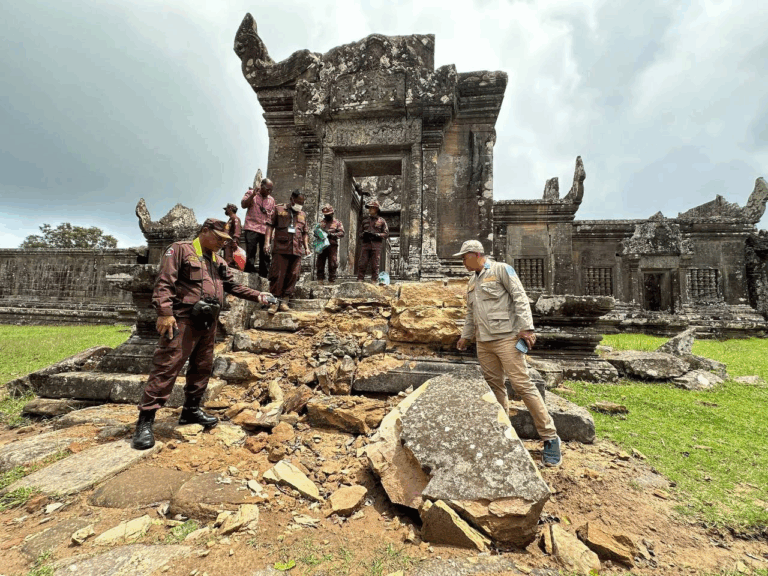
On July 7, 2026, Cambodia's Preah Vihear Temple marked the 18th anniversary of its inscription as a World Heritage site. To commemorate this occasion, political and social analysts have strongly urged UNESCO to implement more concrete measures beyond current actions in response to the significant damage inflicted on the temple by past Thai aggressions. Dr. Yong Pov, a political geography expert, expressed deep sorrow on this anniversary. He stated that Preah Vihear Temple has suffered greatly from the scars of the invasion war by Thailand in 2025, with every part of the temple being damaged by Thai gunfire and weapons. "I am immensely saddened and regretful over this destruction," he remarked. Dr. Pov appealed to the international community, particularly UNESCO, for immediate and concrete actions. These include urgent repairs, condemnation of the parties that destroyed the heritage site, and warnings to those who disrespect the value of World Heritage. "There should be a condemnation statement issued against Thailand, and UNESCO should not remain silent," he asserted, adding that it is regrettable for a global organization specializing in heritage to be indifferent to such acts of destruction. Dr. Chhot Bunthong, a philosophy expert from the Royal Academy of Cambodia, views the 18th anniversary of Preah Vihear Temple's inscription as one of the greatest diplomatic and legal victories in modern Cambodian history. He believes it signifies universal recognition of the architectural marvels of the Khmer ancestors and clearly affirms Cambodia's sovereignty over the area. However, he emphasized that the scars of the war that destroyed this cultural heritage are in direct opposition to UNESCO's charter and international law. "Any destruction to Preah Vihear Temple is not merely damage to stones or carvings, but a violation of the cultural soul. As a researcher, I am profoundly saddened," he stated. Dr. Bunthong asserted that Thailand, as the destroyer of this world heritage, must bear moral and financial responsibility for its repair and restoration, and must guarantee that there will be no second invasion of this heritage. He also called for UNESCO and the international community to act as strict arbitrators, establishing mechanisms for regular monitoring of the heritage site's condition, providing technical and financial assistance for the repair of damaged sections, and implementing official sanctions or condemnations for destructive actions. He concluded, "Preah Vihear Temple is not just a heritage of the Khmer people, but a heritage of the world. Preserving this temple is a shared duty of all humanity. As Cambodian citizens, participating in the protection of sovereignty and cultural heritage through building national capacity and utilizing international law is the best option for future prosperity." Preah Vihear Temple, located in Kantout village, Chhuksal district, Preah Vihear province, was inscribed as a World Heritage site on July 7, 2008. Since its inscription, it has been subjected to three instances of destruction by Thailand, with the 2025 attacks being the most severe, involving aerial bombings and heavy artillery. According to reports from the Preah Vihear authorities, a total of 562 temple structures were attacked during the two wars in 2025. The restoration of the scars caused by this invasion is estimated to take 20 to 30 years and cost tens of millions of US dollars. Source: Kampuchea Thmey Local
多角的分析
プレアヴィヒア寺院の破壊による経済的影響は、直接的な観光収入の損失に加え、長期的な修復費用がカンボジア経済に負担をかける可能性がある。数千万ドル規模の修復費用は、開発途上国であるカンボジアにとって相当な額であり、国際社会からの支援が不可欠となる。また、文化遺産の保護は、長期的な観光資源としての価値を高めるため、その損傷は将来的な経済発展の機会損失にもつながりうる。
投資家にとって、プレアヴィヒア寺院周辺の安定は、観光関連産業への投資リスクを左右する要因となりうる。過去の紛争による損害は、投資家心理にネガティブな影響を与える可能性がある。一方で、寺院の修復や地域開発への投資機会も生まれるが、地政学的なリスクと、タイとの関係改善が投資判断の鍵となるだろう。
プレアヴィヒア寺院の破壊は、カンボジア国民の文化的なアイデンティティと精神性に深い傷を与える。専門家が指摘するように、これは単なる物理的な損害ではなく、「文化的な魂への侵害」である。この遺産を守ることは、国民の誇りと主権を守る行為と見なされており、将来世代に文化遺産を継承していく上での社会的な課題となっている。また、タイとの関係における緊張は、地域住民の生活や交流にも影響を与えうる。
カンボジア国民、特にプレアヴィヒア州周辺の住民にとって、プレアヴィヒア寺院は単なる歴史的建造物以上の存在である。それは国民の誇りであり、国家の主権の象徴でもある。寺院への攻撃は、彼らの文化的なルーツへの攻撃と受け止められ、深い悲しみと怒りを引き起こす。修復の遅れや、タイからの責任追及の不足は、市民の不満を高める要因となりうる。彼らは、ユネスコや国際社会が、より断固たる行動を取ることを期待している。
背景・歴史的文脈
プレアヴィヒア寺院は、カンボジアとタイの国境付近に位置し、長年にわたり両国間の領土問題の焦点となってきた。2008年にユネスコ世界遺産に登録されたことで、その保護と管理が国際的な関心事となった。しかし、登録後も両国間の緊張は続き、特に2011年以降、寺院周辺での武力衝突が発生した。記事で言及されている2025年のタイによる「侵攻戦争」は、過去の断続的な衝突や、2011年頃に発生した大規模な武力衝突を指している可能性が高い。これらの紛争により、寺院の一部が損傷を受けたとされている。
原文ソース
Kampuchea Thmey Local