Sumitomo Corp. Eyes Expansion in Philippine Railways, Energy Sectors
Japanese conglomerate Sumitomo Corp. is exploring expanded investments in Philippine infrastructure, particularly in the operations and maintenance of the North-South Commuter Railway (NSCR), and renewable energy projects.
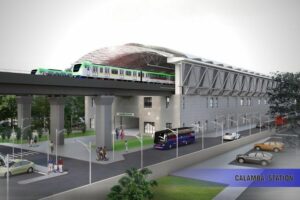
SUMITOMO Corp. is looking to expand its investments in Philippine energy infrastructure and railway projects, including the North-South Commuter Railway (NSCR), the Department of Finance (DoF) said. In a statement on Tuesday, the DoF said the Japanese conglomerate is looking to play a role in the operations and maintenance of the NSCR. The NSCR is a 147-kilometer line that is expected to boost mobility and economic activity across Luzon. The railway is expected to be fully operational by late 2031 or early 2032. The project is facing right-of-way issues that are delaying the construction of northern segments of the NSCR. Sumitomo is also exploring potential investments in renewable energy to support railway operations and bolster overall energy security, the DoF said. Finance Secretary Frederick D. Go said the government’s welcomes the expansion of its partnership with Sumitomo. “We look forward to deepening this partnership through strategic investments in infrastructure and other key sectors that will strengthen our competitiveness and support our long-term economic development,” he was quoted as saying. Sumitomo is currently involved in four key railway projects: the Metro Rail Transit-3 Rehabilitation and Maintenance Project, the Metro Manila Subway Project, and two NSCR contract packages. The group has also contributed to the development of MRT-3 and the Light Rail Transit Line 1. “Sumitomo’s continued interest in expanding its investments in the Philippines reflects growing confidence in the country’s infrastructure pipeline,” the DoF said. — Beatriz Marie D. Cruz
多角的分析
住友商事によるフィリピンの鉄道およびエネルギーインフラへの投資拡大は、同国の経済成長とインフラ整備計画の推進に直接的に貢献する。特にNSCRのような大規模プロジェクトへの関与は、建設段階だけでなく、その後の運営・保守フェーズにおいても雇用創ち、技術移転を促進し、長期的な経済効果をもたらすと考えられる。再生可能エネルギーへの投資は、フィリピンのエネルギー安全保障を強化し、持続可能な開発目標(SDGs)達成への貢献も期待できる。これは、フィリピン政府が推進する「ビルド、ビルド、ビルド」政策の継続性を裏付けるものであり、国内経済の活性化と国際競争力の向上に寄与するだろう。
住友商事のフィリピンでのインフラ投資拡大は、同国が依然として魅力的な投資先であることを示唆している。特に、政府が推進するインフラ開発プロジェクトは、安定した収益源となる可能性があり、長期的な視点を持つ投資家にとって魅力的である。ただし、NSCRプロジェクトにおける用地取得問題のような、建設遅延リスクの存在は留意すべき点である。再生可能エネルギー分野への関心は、ESG投資への関心の高まりとも連動しており、今後のフィリピンにおけるクリーンエネルギー市場の成長ポテンシャルを示唆している。
NSCRのような大規模鉄道プロジェクトの進展は、マニラ首都圏とその周辺地域の住民の通勤・通学の利便性を大幅に向上させる。これにより、移動時間の短縮、交通渋滞の緩和、そして地方からの都市部へのアクセス改善が期待される。住友商事によるプロジェクトへの関与は、これらの社会インフラの質的向上に貢献する。一方で、プロジェクトの遅延や、それに伴う住民への影響(例えば、一時的な立ち退きや生活道路の変更など)は、地域社会との緊密な連携と、透明性のある情報提供が求められる。再生可能エネルギーへの投資は、よりクリーンな環境への意識を高める契機ともなりうる。
フィリピン市民、特にマニラ首都圏とその近郊に住む人々にとって、NSCRの整備・運営は日常生活に大きな変化をもたらす。通勤時間が短縮されれば、家族と過ごす時間が増えたり、仕事の効率が上がったりする可能性がある。しかし、プロジェクトの遅延は、期待が先行する中で、市民の不満や不安を招くことも少なくない。用地取得問題がどのように解決され、工事が円滑に進むかが、市民の生活実感に直結する。また、再生可能エネルギーへの投資は、将来的な電気料金の安定化や、より健康的な環境への期待に繋がる。
背景・歴史的文脈
フィリピン政府は、経済成長の鈍化を食い止め、国民生活を向上させるため、インフラ整備を国家開発の最重要課題の一つとして位置づけている。特に、マニラ首都圏の慢性的な交通渋滞緩和と、ルソン島全体の経済圏拡大を目指し、大規模な鉄道網の整備を推進してきた。南北通勤鉄道(NSCR)は、その中核をなすプロジェクトであり、日本政府も政府開発援助(ODA)や民間投資を通じて、その実現を支援してきた。住友商事は、過去にもフィリピンの鉄道プロジェクトに関与しており、今回の投資拡大は、同社がフィリピンのインフラ市場における長期的な成長ポテンシャルを見込んでいることを示唆している。再生可能エネルギーへの関心は、フィリピンが抱えるエネルギー供給の不安定さや、気候変動対策への国際的な要請に応える動きとも連動している。
原文ソース
BusinessWorld Economy