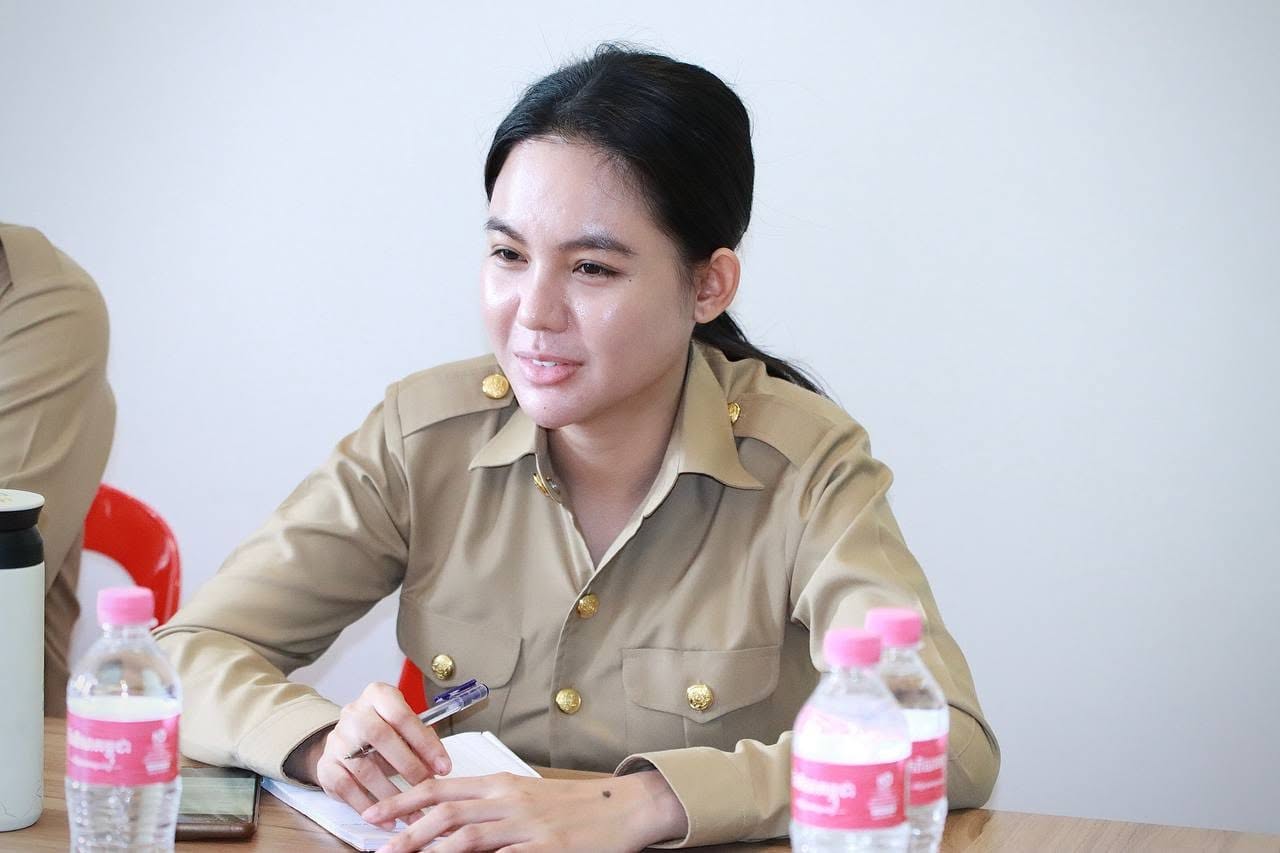
Former Deputy Governor Sentenced to Prison for Social Media Posts in Cambodia
Former deputy governor and social media influencer Thy Sovantha has been sentenced to three years in prison for posts that endangered the Cambodian army and incited social unrest. She was arrested in late 2025, a period that saw numerous arrests for similar social media activity.
This article requires PRO
This article is outside the free access window or is a special report. PRO unlocks it and the full archive.
Related articles
- Kandal Province Praises Low Crime Rate in Lvea Em District, Instructs New Governor on Security Maintenance
Kandal Provincial Governor Kuoch Chamroeun praised Lvea Em district for its exceptionally low crime rates, including theft, robbery, and juvenile delinquency. He instructed the newly appointed district governor to maintain existing security and strive for further improvements during the district governor's inauguration ceremony.
- Cambodia Denies Deporting Australian, Norwegian Nationals to Vietnam
Cambodia's Ministry of Interior has strongly denied reports that an Australian and a Norwegian national were handed over to Vietnamese authorities. The ministry stated that while entry records exist, no exit records have been found, and Cambodian authorities have not confirmed any deportation.
- Suspect Arrested in Cambodia for Murder of Woman with Mental Health Issues; Body Buried in Cassava Field
A man has been arrested in Kampong Cham province, Cambodia, suspected of murdering a woman with mental health issues and burying her body in a cassava field behind his house. The victim had been reported missing in September, and security camera footage indicated a connection to the suspect.
- Three Youths Arrested for Alleged Gang Rape of 14-Year-Old Girl in Battambang
Three youths, aged 16 and 17, have been arrested in Battambang province's Moung Ruessei district for their alleged involvement in the gang rape of a 14-year-old girl. Authorities are proceeding with the legal process.