General articles are free for 24 hours after publish.
Former Opposition Leader Appeals to Supreme Court After Defamation Ruling Orders $1.5M Payment
Cambodia's Court of Appeal upheld a defamation ruling against Tav Vanno, leader of the former Candlelight Party, ordering him to pay over $1.5 million in damages to lawyers representing the government. He was found guilty of defaming senior government leaders.
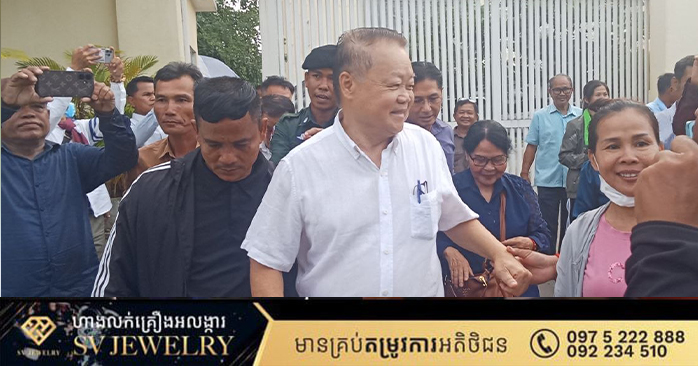
The Court of Appeal in Phnom Penh, Cambodia, on August 16, upheld the lower court's decision regarding the defamation case against Tav Vanno, leader of the former Candlelight Party. The court rejected his appeal, confirming the initial ruling that orders him to pay over $1.5 million in damages to the legal team representing the Cambodian government. Presiding Judge Im Vanna stated during the hearing that the Phnom Penh First Instance Court, on July 25, 2024, had convicted Tav Vanno, a 72-year-old Cambodian-American, of defamation. He was fined 10 million riels (approximately $2,500) to be deposited into the national treasury. Additionally, he was ordered to pay 6 billion riels (approximately $1.5 million) to the lawyers defending the Cambodian government, as compensation for the damage to the reputation and honor of national leaders and the government. The court also issued an order to freeze three of his real estate properties (land and buildings), valued at approximately $1.5 million. Tav Vanno was charged with public defamation, an offense committed around February 2024, under Article 305 of the Penal Code. The lawsuit was filed by the legal representatives of the Cambodian government. However, Tav Vanno had appealed the entirety of the first instance court's ruling to the Court of Appeal. Following the appeal court's decision, Tav Vanno told reporters outside the courthouse that the ruling was "very unjust" for him as a "political opposition figure" and that he could not accept it. He added that he would continue to appeal to the Supreme Court to seek justice. This ruling highlights the ongoing legal scrutiny faced by opposition figures in Cambodia and raises questions about freedom of expression within the country's political landscape.
Original source
CEN Cambodia