General articles are free for 24 hours after publish.
BSP Proposes Stricter Payment Transaction Rules
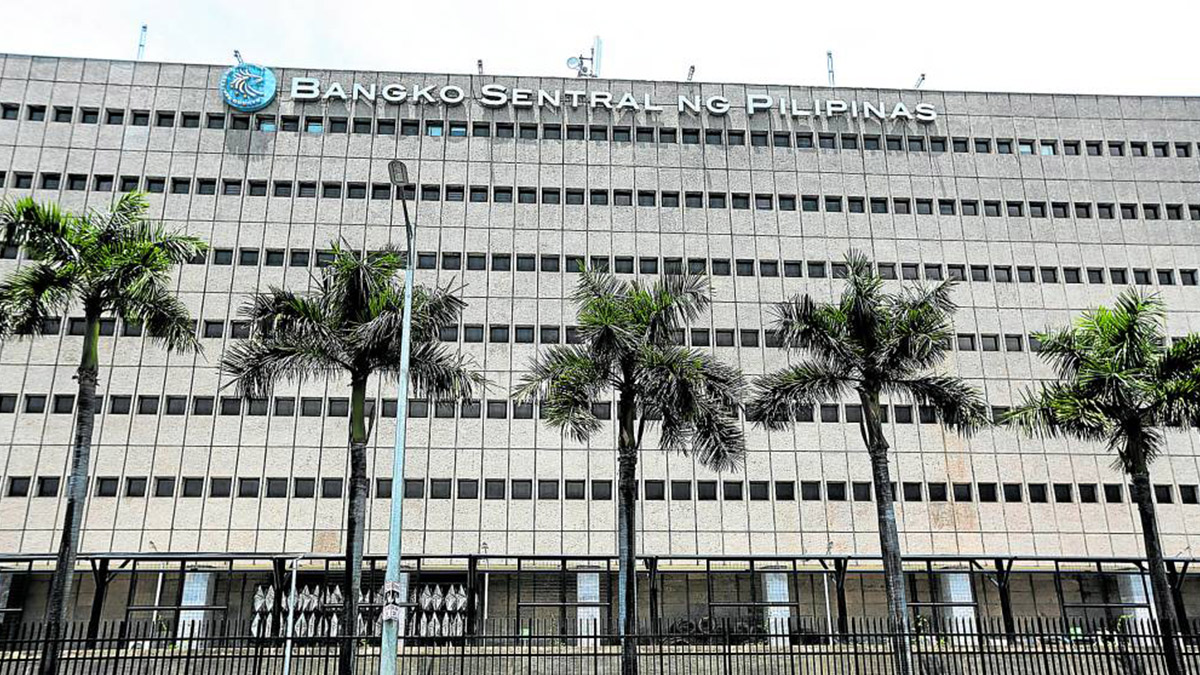
The Bangko Sentral ng Pilipinas (BSP) has proposed new regulations requiring banks and payment firms to identify the ultimate merchants and beneficiaries behind payment transactions. The move aims to enhance transparency, combat fraud and money laundering, and strengthen the integrity of the payment system.
The Bangko Sentral ng Pilipinas (BSP) is moving to tighten controls on payment transactions, requiring banks and payment firms to identify the real merchants and beneficiaries behind payments and make transactions traceable from end to end. The BSP is soliciting comments from the industry on a draft circular that would place greater scrutiny on payment arrangements involving intermediaries, requiring clear accountability and safeguards against fraud, scams, money laundering and other illicit activities. READ: BSP credits anti-financial scam law for boosting anti-drive drive Under the proposed amendments, an intermediary is an entity that sits between a payment provider and the merchant receiving the money. It may handle functions including merchant onboarding, payment acceptance, transaction routing, collection and settlement, as well as monitoring or access to information about the merchant or ultimate beneficiary. Payment providers would not be able to rely on an intermediary as a shield from knowing who is ultimately receiving the money. They would be required to gather enough information to identify the intermediary, the actual merchant and the ultimate beneficiary, and to understand how funds move through the payment chain. Simply put, the BSP is not seeking to ban the use of intermediaries. Instead, layered payment arrangements—where there is one or more intermediaries—would be allowed as long as financial institutions have sufficient information and visibility into the parties behind a transaction. However, casinos, gambling businesses, certain gaming-related businesses, virtual-asset service providers and money-service businesses, among others, can only be accepted through a direct merchant arrangement—or no intermediaries involved—with enhanced due diligence and monitoring. Financial institutions involved in merchant payment acceptance would also be responsible for preventing and stopping fraudulent transactions. Participants in the local payment system would be required to maintain secure mechanisms for sharing information needed to detect and prevent illicit flows of funds. The BSP would also establish and maintain a centralized National QR Code Merchant Database containing information on merchants that accept payments through the National QR Code Standard. The database would provide a common source of merchant information and help financial institutions detect fraud and identify problematic merchants. Existing layered merchant arrangements would have to be reviewed within six months after the circular takes effect. READ: Villar: Landmark AFASA law now delivering results in fight vs scammers Any deficiencies identified would have another six months to be corrected. Arrangements that remain noncompliant after the 12-month period could face enforcement action. The BSP also proposed suspending the acceptance and processing of applications for registration as payment system operators for 12 months after the circular takes effect. INQ Information Source: Inquirer Business
Original source
Inquirer Business