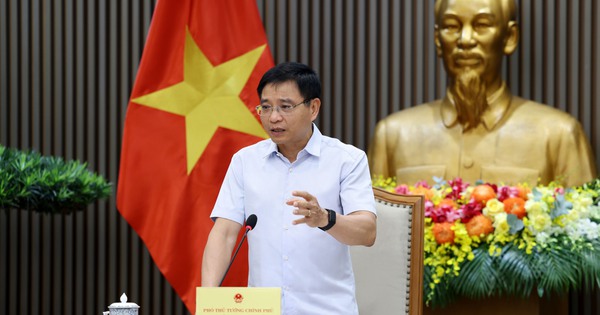
Vietnam Establishes International Financial Center, Deputy PM Chairs Executive Council
Politics
2026年7月7日
3
Bao Chinh Phu
Relations
🇻🇳Vietnam🇨🇳China🇯🇵Japan

Vietnam Establishes International Financial Center, Deputy PM Chairs Executive Council

AI サマリー

The Vietnamese government has established an Executive Council to oversee the establishment, operation, and development of an International Financial Center (IFC). Deputy Prime Minister Nguyen Van Thang has been appointed as its chairman. The IFC, based in Ho Chi Minh City and Da Nang, aims to boost Vietnam's economic growth and international competitiveness, reflecting a strategy of economic diversification and attracting foreign investment under the one-party system.

The Vietnamese government has officially established an Executive Council to oversee the establishment, operation, and development of an International Financial Center (IFC) within the country, with Deputy Prime Minister Nguyen Van Thang appointed as its chairman. This move signifies Vietnam's ambition to accelerate its economic growth and solidify its position as an international financial hub. The Executive Council will serve as the supreme decision-making body, chaired by the Deputy Prime Minister. Vice chairpersons include Deputy Minister of Finance Nguyen Thi Bich Ngoc (Standing Vice Chairperson), Governor of the State Bank of Viet Nam Pham Duc An, Chairman of Ho Chi Minh City People's Committee Nguyen Van Duoc, and Chairman of Da Nang City People's Committee Nguyen Manh Hung. The council's members comprise deputy ministers from key ministries such as National Defense, Public Security, Justice, Home Affairs, Industry and Trade, Agriculture and Environment, Science and Technology, Foreign Affairs, and Education and Training, indicating a comprehensive government-wide effort to promote the IFC's establishment. The council's primary responsibilities include coordinating the establishment, operation, and development of the IFC. Specifically, it will direct the formulation of institutions and policies applicable at the IFC and guide the development of strategies, roadmaps, and plans for the International Financial Center in Da Nang and Ho Chi Minh City. Under its one-party system, Vietnam has pursued market-oriented reforms, achieving remarkable economic growth. In recent years, while maintaining economic ties with China, Vietnam has focused on diversifying supply chains and attracting foreign investment to mitigate geopolitical risks. The establishment of an IFC is part of this economic diversification strategy, aiming to attract further Foreign Direct Investment (FDI) and deepen capital markets. With Ho Chi Minh City as the economic heartland and Da Nang increasingly developing its infrastructure and emerging as an international resort destination, the IFC is expected to further enhance Vietnam's economic internationalization.

多角的分析

経済的影響

ベトナム政府による国際金融センター(IFC)設立の動きは、同国の経済構造を高度化し、資本市場の発展を促すための重要な一歩である。IFCは、外国からの直接投資(FDI)の誘致、資本市場の流動性向上、金融サービスの多様化を通じて、ベトナム経済の持続的な成長を支援することが期待される。特に、グローバルな金融ハブとの連携強化は、アジア地域におけるベトナムの経済的プレゼンスを高めるだろう。しかし、IFCの成功は、法制度の整備、規制の透明性、そして国際的な金融基準への適合にかかっており、これらの課題への対応が今後の鍵となる。

投資家心理

ベトナムにおけるIFC設立は、国際的な投資家にとって新たな機会と潜在的なリスクの両方をもたらす。IFCは、より洗練された金融商品やサービスへのアクセスを提供し、資本市場の深化を通じて投資機会を拡大する可能性がある。しかし、ベトナムの法制度や規制環境は依然として発展途上であり、特に金融分野における透明性や予測可能性は、投資家が慎重に評価すべき点である。また、中国との地政学的な緊張や、国内の一党体制下における政策変更のリスクも考慮する必要があるだろう。

社会的影響

国際金融センターの設立は、ホーチミン市やダナン市のような主要都市における雇用創出や経済活性化に貢献する可能性がある。金融サービス分野の専門職に対する需要が高まることで、高度なスキルを持つ人材の育成や都市部への人口集中が進むことが考えられる。一方で、都市部と地方間の経済格差の拡大や、金融セクターの発展に伴う社会的な影響(例えば、投機的な資金流入による不動産価格の高騰など)についても、政府は注意深く管理していく必要がある。市民生活への直接的な影響は、現時点では限定的かもしれないが、長期的な経済構造の変化を通じて、間接的に生活水準や機会に影響を与えるだろう。

市民の声

国際金融センター(IFC)の設立は、ベトナム国民、特に都市部に住む若年層や高度なスキルを持つ人々にとって、新たなキャリア機会を生み出す可能性がある。金融サービス分野での専門職や、国際的なビジネス環境での経験を積む機会が増えるだろう。しかし、IFCの恩恵が全国民に均等に行き渡るかは不透明であり、都市部と地方間の経済格差がさらに拡大する懸念もある。また、金融市場の不安定化や、国際的な金融危機の影響が国内経済に波及するリスクも、市民生活に影響を与える可能性がある。

背景・歴史的文脈

ベトナムは、1986年のドイモイ(刷新)政策以降、計画経済から市場経済への移行を進め、目覚ましい経済成長を遂げてきた。特に、近年は製造業のハブとして、また中国プラスワン戦略における代替生産拠点として、世界的な注目を集めている。しかし、経済成長の持続には、資本市場の深化や金融サービスの高度化が不可欠であり、国際金融センターの設立はそのための戦略的投資と位置づけられる。2023年には、ベトナム共産党第13期中央委員会第8回総会で、2030年までの国家金融戦略が議論され、国際金融センターの設立がその重要な柱の一つとして挙げられていた。これは、一党支配体制下で経済の近代化と国際化を推し進める政府の強い意志を示している。

原文ソース

Bao Chinh Phu

原文を読む