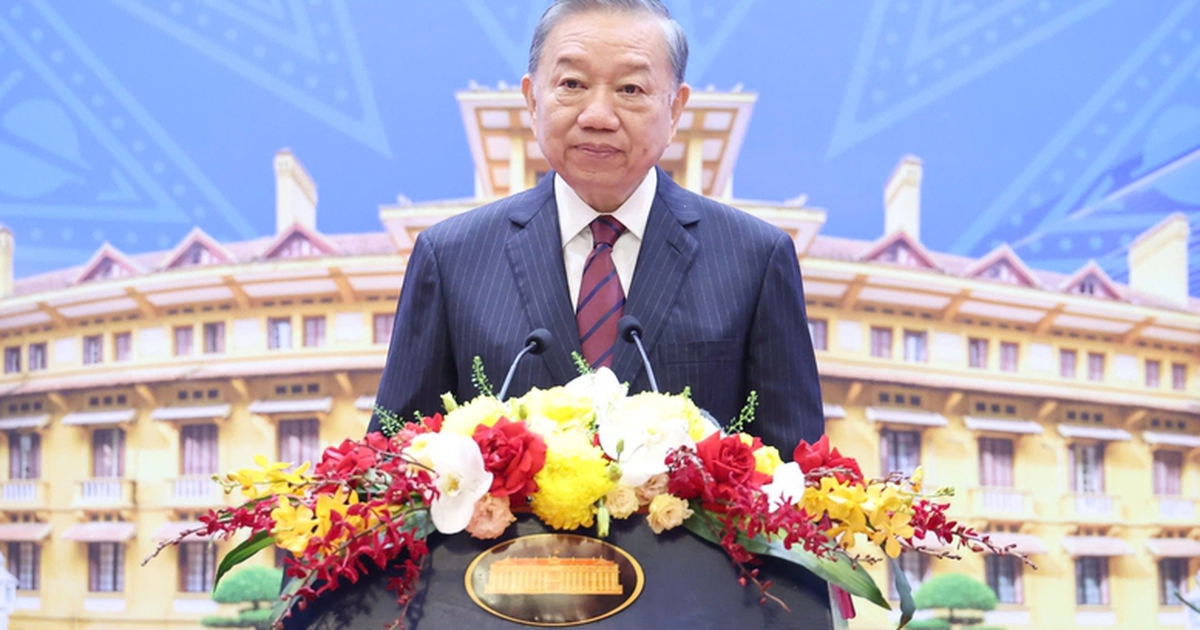
Vietnam Prioritizes Science-Technology Diplomacy as Top Leader Addresses Diplomatic Conference
Vietnam's top leader, General Secretary and President To Lam, emphasized the need to elevate science and technology diplomacy, mobilize resources for innovation and digital transformation, and selectively attract high-tech projects at the 33rd Diplomatic Conference. This directive underscores Vietnam's strategy to enhance its global standing and achieve sustainable economic growth.
This article requires PRO
This article is outside the free access window or is a special report. PRO unlocks it and the full archive.
Related articles
- Dong Nai Triple Murder Suspect Sentenced to Death; Robot Hand Performs Magic
A suspect in the murder of a mother and her two children in Dong Nai province, Vietnam, has received a death sentence. The news bulletin also featured a demonstration of a robot hand performing magic tricks, highlighting advancements in robotics.
- Hanoi Metro to Produce Trains Domestically via Alstom-Vingroup Tech Transfer
French rail giant Alstom will transfer technology and supply components to Vingroup for the assembly of 117 new metro trains in Vietnam, destined for five Hanoi metro lines. This partnership aims to localize train manufacturing within the country.
- Flash Flood Sweeps Away Truck in Central Vietnam, Multiple Casualties Feared
A flash flood in Vietnam's Central Highlands province of Lam Dong swept away a truck that attempted to cross a swollen stream. According to a witness, the driver proceeded despite warnings of strong currents, with the vehicle submerged within seconds. Multiple casualties are feared, and local authorities are conducting search and rescue operations.
- Ho Chi Minh City Reviews Resolutions to Implement Urban Development Law
The Standing Committee of the Ho Chi Minh City People's Council reviewed draft resolutions to operationalize the Urban Development Law. The aim is to adopt these at the upcoming 6th session, potentially accelerating the city's urban development.