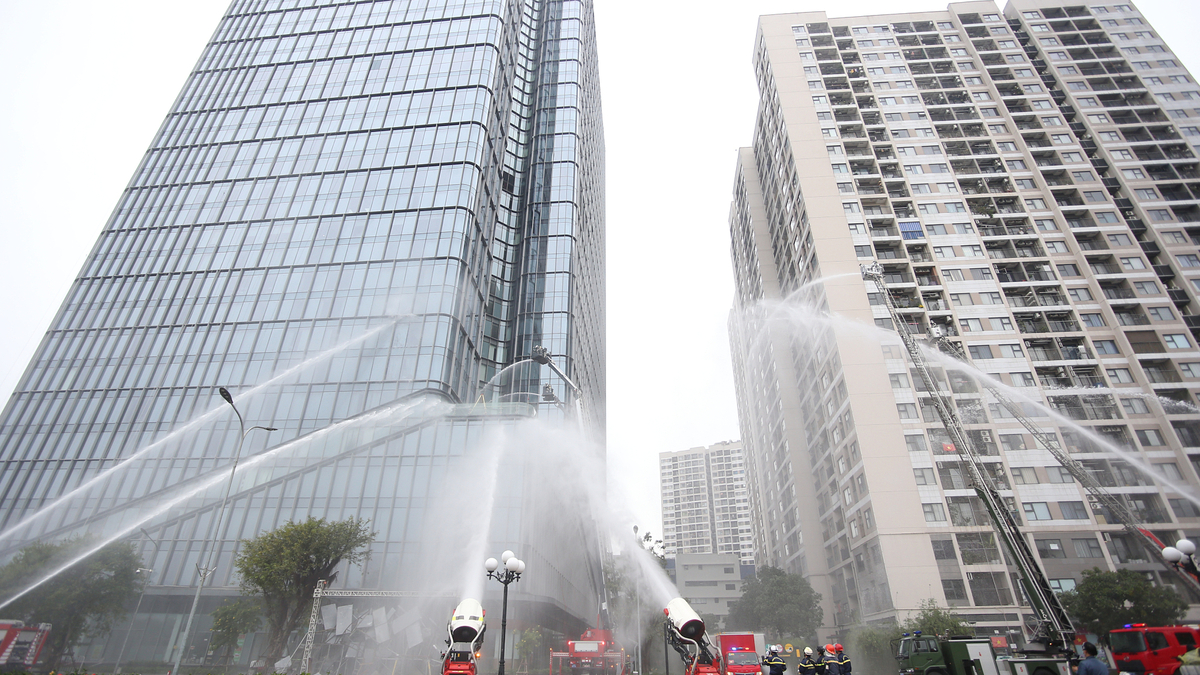
Vietnam High-Rises Face Fire Risks from Careless Resident Habits
As high-rise apartments proliferate in Vietnam's urban centers, residents' careless habits are escalating fire risks. Issues like improper use of electrical appliances, cooking in poorly ventilated conditions, and inadequate evacuation routes are raising concerns about minor fires escalating into major disasters.
This article requires PRO
This article is outside the free access window or is a special report. PRO unlocks it and the full archive.
Related articles
- Ho Chi Minh City Infrastructure Project Accident Disrupts Local Life
An accident occurred in Ho Chi Minh City when construction machinery for the Xuyên Tâm Canal development project fell onto Bùi Hữu Nghĩa Street. While no casualties were reported, the incident has impacted local residents' lives, highlighting the importance of safety measures in infrastructure development.
- Myanmar Flood Damage: Recovery Underway Amidst Lingering Concerns
Widespread damage has been reported across Myanmar following extensive flooding. While evacuation and recovery efforts are underway, infrastructure damage and food shortages remain significant challenges for affected communities.
- Nghe An Honors 130 Exemplary Farmers for Production and Business Excellence
Nghe An province, Vietnam, held a conference honoring 130 farmers for their outstanding achievements from 2020-2025. The recognition celebrates contributions to rural economic development and poverty reduction, promoting improved farmer productivity and community engagement.
- Nearly 20 Million Vietnamese Overweight or Obese, Driven by Dietary Shifts
Nearly 20 million Vietnamese, close to 20% of the population, are now classified as overweight or obese, with a significant surge among children and adolescents. This trend, primarily driven by changing dietary habits and sedentary lifestyles, poses a serious public health challenge, increasing the risk of cardiovascular diseases.