Vietnam Enhances Early Warning Systems to Mitigate Natural Disaster Damage
Environment
2026年7月14日
6
Nhan Dan

Vietnam Enhances Early Warning Systems to Mitigate Natural Disaster Damage

AI サマリー

Vietnam is strengthening its early warning systems by upgrading meteorological and hydrological observation equipment and leveraging AI. This initiative aims to mitigate damage from natural disasters by enabling faster evacuation guidance for vessels and residents, thereby protecting lives and property.

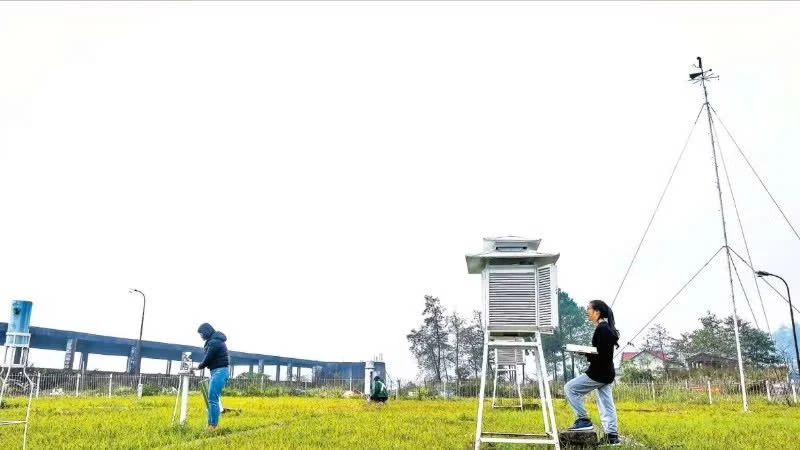
Vietnam is prioritizing the enhancement of its early warning systems to effectively mitigate damage and implement preventive measures against natural disasters. Relevant agencies are scrutinizing the current state of meteorological and hydrological observation equipment and establishing a centralized management and monitoring system for the national network of weather and hydrological stations. Furthermore, efforts are underway to digitize observation records and promote digital transformation in observation tasks, aiming to improve the accuracy of forecasts and warnings. According to Mr. Nguyen Thuong Hien, Director of the National Center for Hydro-Meteorological Forecasting, a key solution for reducing natural disaster damage is to accelerate the application of Artificial Intelligence (AI) and effectively operate early warning systems that support disaster prevention and socio-economic development. The quality of forecasts and warnings heavily relies on the accuracy, density, and transmission speed of observational data. While previously much data was collected manually, automated observation technology and digital transformation now allow for near real-time monitoring of atmospheric and hydrological conditions. This enables specialized agencies to quickly detect signs of abnormal weather, such as the formation of tropical storms, localized extreme rainfall, or flood fluctuations in river basins. However, new technology cannot entirely replace the role of meteorological and hydrological agencies in analysis and decision-making. Disasters with extreme characteristics, rarely seen in historical data, underscore the value of practical experience and the analytical capabilities of forecasters. For instance, Super Typhoon Yagi in September 2024 presented significant challenges to numerical models and AI algorithms, which depend heavily on input and historical data, due to its very strong and complex intensity changes. In this context, forecasters must combine model results with practical experience and knowledge of climate and local topography to analyze, evaluate, and adjust forecasts. The synergy between technology and human expertise enhances forecast reliability, allowing management agencies and the public to respond proactively and reduce disaster risks. Between 2020 and 2025, early warning information facilitated the timely evacuation and relocation of 3,209,128 vessels and 16,034,074 laborers, who were able to monitor the developments of storms and tropical depressions and move to safety. This largely prevented loss of life and damage to vessels at sea. On land, 757,965 households in areas with high risks of flash floods, landslides, and deep inundation were evacuated to safety.

多角的分析

経済的影響

ベトナム経済は農業や漁業など一次産業への依存度が高く、これらの産業は自然災害の影響を直接受けやすい。早期警報システムの強化は、漁船の安全確保や農作物の被害軽減に繋がり、経済的損失の最小化に貢献する。また、インフラ被害の抑制は復旧コストの削減にも寄与し、経済成長の安定化に不可欠である。AI導入による予測精度の向上は、経済活動への不確実性を低減させる側面もある。

投資家心理

自然災害リスクの低減は、ベトナムへの投資環境を安定させる重要な要素である。特に、沿岸部や河川流域に立地する製造業やインフラ関連企業にとって、被害リスクの軽減は事業継続性の確保に直結する。投資家は、災害リスク管理能力の向上を、ベトナム市場の魅力を高めるポジティブなシグナルと捉えるだろう。AIを活用した早期警報システムへの投資は、長期的な経済成長と安定性へのコミットメントを示すものと評価されうる。

社会的影響

自然災害は、特に脆弱なコミュニティに甚大な被害をもたらす。早期警報システムの強化は、鉄砲水や土砂崩れのリスクが高い山岳地帯や、浸水しやすい低地の住民の安全確保に直接貢献する。2020年から2025年にかけて、75万人以上の住民が避難した事実は、システムの有効性を示唆している。AIによる予測精度の向上は、より的確な避難指示を可能にし、地域社会のレジリエンスを高める上で極めて重要である。

市民の声

早期警報システムの強化は、ベトナム市民、特に沿岸部や河川沿いに住む人々の生活の安全に直結する。漁業や農業に従事する人々は、気象情報の正確さと迅速さが生計を左右するため、この取り組みは彼らの不安を軽減する。AIを活用した精度の高い予測は、個々の家庭が取るべき避難行動をより明確にし、災害時の混乱を最小限に抑えることが期待される。これは、国民の生命と財産を守る政府の責務を果たす上で、重要な一歩となる。

背景・歴史的文脈

ベトナムは、広大な海岸線とメコンデルタを有する地理的特徴から、台風、洪水、土砂崩れ、高潮などの自然災害に脆弱な国である。特に、気候変動の影響による異常気象の頻発化・激甚化は、国家経済と国民生活に深刻な脅威を与えている。このため、ベトナム政府は長年にわたり、防災・減災対策を国家の重要課題と位置づけ、法整備やインフラ整備を進めてきた。2013年に制定された「自然災害防止・軽減法」は、早期警報システムの構築とその活用を法的に位置づけ、各省庁や地方自治体による具体的な対策の実施を義務付けている。近年のAI技術の発展は、予測精度の向上と迅速な情報伝達を可能にし、ベトナムが被害軽減能力をさらに高めるための新たな機会を提供している。

原文ソース

Nhan Dan

原文を読む