Vietnam Aims to Empower Special Cities with Urban Development Law
Politics
2026年8月7日
5
Nhan Dan

General articles are free for 24 hours after publish.

Vietnam Aims to Empower Special Cities with Urban Development Law

Share
AI Summary

The Vietnamese government has introduced a draft Urban Development Law aimed at accelerating the growth of special cities like Ho Chi Minh City through decentralization and institutional reforms. The bill seeks to address challenges in urban planning, infrastructure, innovation, and human resource development.

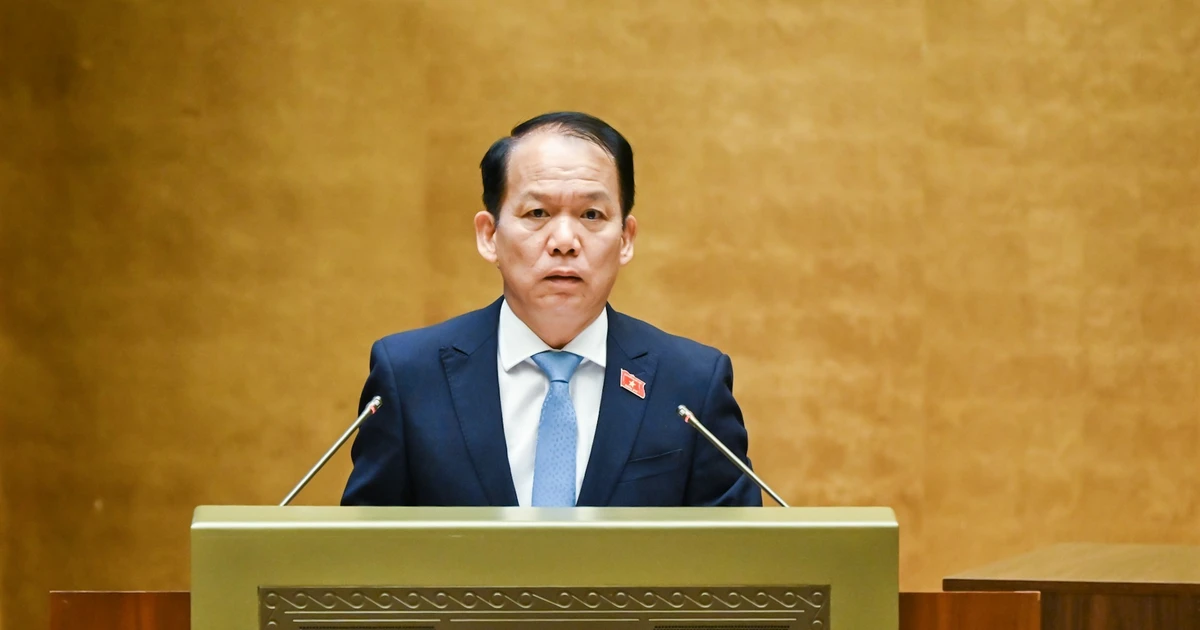
The Vietnamese government is moving to establish a new legal framework to accelerate the development of special cities, including Ho Chi Minh City. At the first extraordinary session of the National Assembly on August 7, Minister of Justice Hoang Thanh Tung, on behalf of the Prime Minister, presented a summary of the draft Urban Development Law. The bill aims to address the multifaceted challenges faced by special cities, such as planning, infrastructure, environment, science and technology, innovation, digital transformation, education, healthcare, social security, regional connectivity, and urban governance. It seeks to resolve institutional, infrastructural, resource, and implementation bottlenecks, thereby promoting rapid and sustainable development. Minister Tung emphasized the necessity of enacting a law with stability and a long-term perspective to meet the evolving demands of urban development in the new era. The draft law is built on the principle of fostering a legal system that promotes development, with an emphasis on decentralization of power, strengthening mechanisms for controlling the exercise of power, and ensuring transparency and accountability. The National Assembly will define the fundamental and policy framework, granting authority to the Government and local authorities to exercise initiative in implementation. The law will also reference the Law on the Capital to ensure consistency in mechanisms and policies across similar areas among special cities, and will codify existing special mechanisms and policies. International experiences will also be selectively incorporated. The draft law comprises five chapters and 66 articles, focusing on two major policy groups: decentralization of power to special cities and special policies to promote their development. Special cities will be granted expanded authority in formulating and issuing legal normative documents to address specific issues arising from urban management and development practices. The decentralization mechanism is designed to be synchronized with requirements for supervision, inspection, and accountability, ensuring strict control during implementation and maintaining the overall unity of the legal system. Furthermore, the draft law provides a legal basis to develop sectors that serve as growth engines, such as international financial centers, free trade zones, logistics, the marine economy, energy infrastructure, education, healthcare, and tourism. It aims to attract strategic investors, develop high-quality human resources, and promote science and technology, innovation, and digital transformation. Simultaneously, it includes mechanisms to encourage and protect dynamic and creative officials who dare to think and act for the common good, while strictly penalizing corruption, illicit gains, and policy abuse. Phan Chi Hieu, Chairman of the Committee for Law and Justice, expressed support for the bill's necessity in institutionalizing the Party's guidelines, particularly endorsing the direct and stable decentralization of power to special cities like Ho Chi Minh City. However, he recommended clarifying the scope of application of policies to avoid expansion without corresponding management and control mechanisms. He also stressed the need to further refine the principles and scope of decentralization, clearly define the principles and limits for the Government to stipulate the application of special policies, and establish comprehensive mechanisms for power control, accountability, transparency, and unity in the implementation of the law.

0

Original source

Nhan Dan

原文を読む