General articles are free for 24 hours after publish.
Subanen History Book Unveils Mindanao's Colonial Past
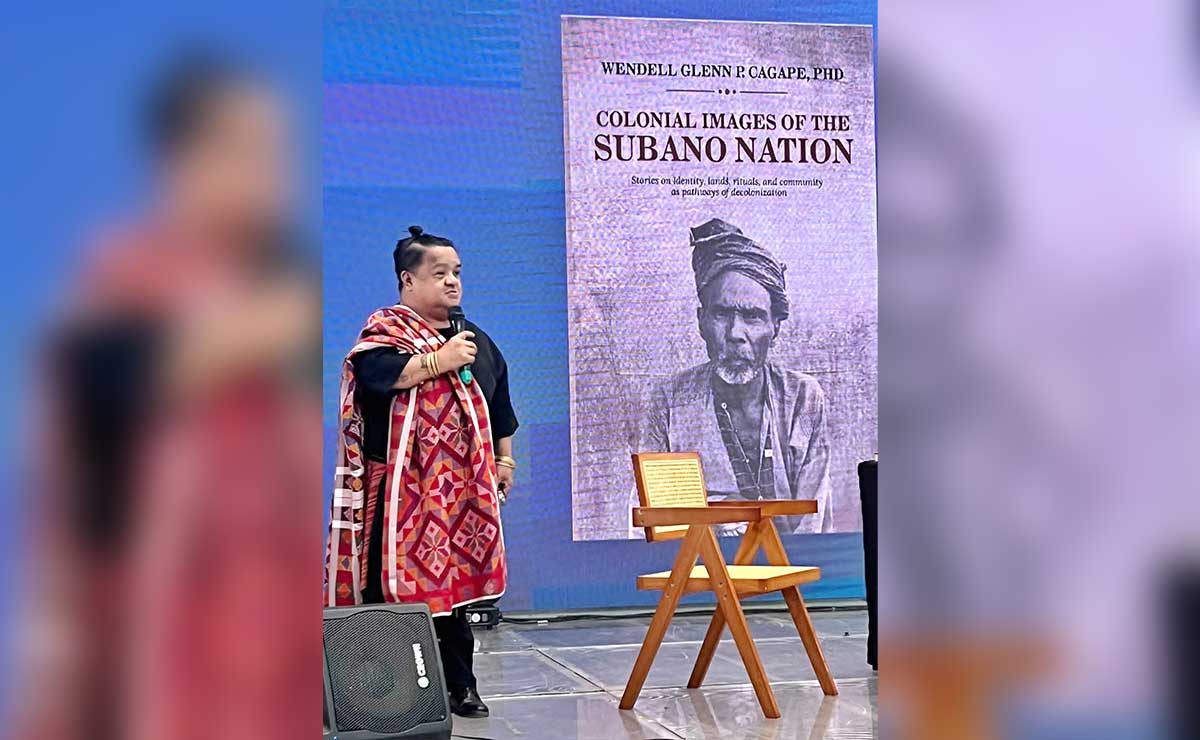
A new book, "Colonial Images of the Subano Nation," exploring the colonial history and cultural heritage of the Subanen indigenous people, was launched in Pagadian City, Zamboanga del Sur. The work aims to enrich Mindanao's historical records.
PAGADIAN CITY, Zamboanga del Sur — Aiming to enrich Mindanao’s history, scholar and ethnographer Dr. Wendell Glenn Cagape launched his new book, “Colonial Images of the Subano Nation,” here on Sunday. The historical and ethnographic work explores the colonial history, cultural resilience, and identity of the Subanen Indigenous people across the Zamboanga Peninsula. The book seeks to reconstruct the historical memory of the Subanen people by examining how they were documented and depicted during the colonial era. Dr. Cagape analyzes colonial archives and existing records to shed light on their stories of oppression and resistance. This endeavor also raises the issue of how the history of indigenous peoples in the Philippines is often overlooked. The Philippines, an archipelagic nation with diverse indigenous cultures, has a history deeply influenced by colonial rule. Mindanao, in particular, is home to numerous indigenous groups, and documenting their cultures and histories is crucial for understanding the nation's overall identity. However, these records are often fragmented or written from the perspective of the colonizers, failing to fully reflect the voices and experiences of the indigenous people themselves. Dr. Cagape's research emphasizes the need for such "decolonialized archives." By critically interpreting past records and reinterpreting them from the indigenous perspective, the aim is to convey their true history and cultural heritage to future generations. The publication of this book is expected to be a significant step not only for the academic community in the Philippines but also for those interested in indigenous rights advocacy and cultural heritage preservation.
Original source
Inquirer NewsInfo