General articles are free for 24 hours after publish.
Leptospirosis Cases Decline in Metro Manila, But 9 Cities Remain at Epidemic Levels
Metro Manila has seen a 18% decrease in leptospirosis cases and deaths compared to last year, yet the disease remains a significant threat with nine cities exceeding epidemic thresholds, largely due to recurrent flooding and exposure to contaminated sources.
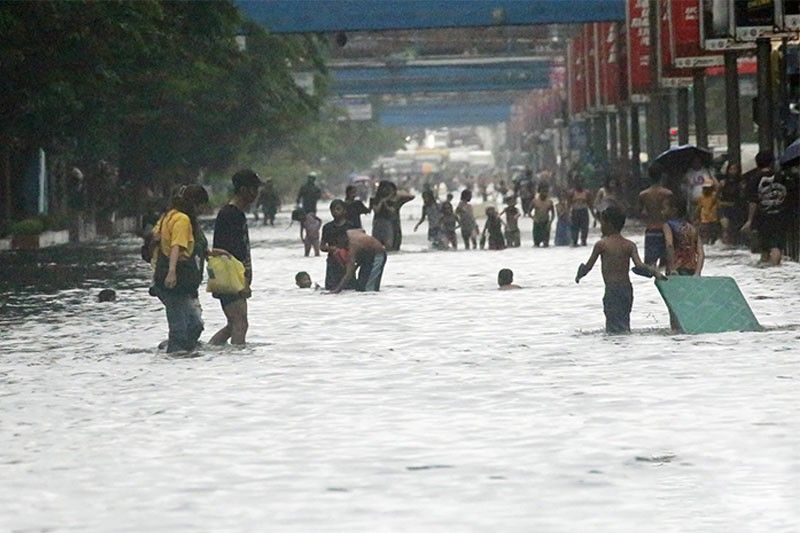
MANILA, Philippines — Metro Manila has recorded fewer leptospirosis infections and deaths this year than in 2025, but the disease remains a serious threat after repeated flooding, with nine cities breaching epidemic thresholds and most confirmed cases linked to flood exposure. The Department of Health-Metro Manila Center for Health Development recorded 2,333 cases from Jan. 4 to Sept. 1, down 18% from 2,853 during the same period last year. Deaths fell to 112 from 273. But health officials warned cases could still rise following weeks of widespread flooding. In Metro Manila, 72% of confirmed cases had flood-related exposure, while leptospirosis symptoms can take days or even weeks to appear after contact with contaminated water. Caloocan, Malabon, Manila, Navotas, Parañaque, Pasig, San Juan, Valenzuela and Quezon City have exceeded their epidemic thresholds, according to the DOH. Nationwide, 6,253 leptospirosis cases and 378 deaths have been recorded. The DOH said leptospirosis cases increased following major flooding caused by persistent rains, the enhanced southwest monsoon, or habagat, and tropical cyclones. DOH Epidemiology Bureau Director Jojo Roque said 3,296, or about 53%, of the cases recorded nationwide involved exposure to floods. The link was even more pronounced in Metro Manila, where 72% of confirmed cases had flood-related exposure. Leptospirosis is a bacterial disease commonly transmitted through water or soil contaminated by the urine of infected animals, particularly rats. The bacteria can enter the body through cuts or wounds and through the eyes, nose or mouth. Most of the Metro Manila cases involved unemployed people or workers in the informal sector, who accounted for 55%. Students made up 10% and drivers 7%. Metro Manila has also endured repeated flooding this year. The Metropolitan Manila Development Authority recorded 662 flooding incidents across the capital region as of Sept. 2. More than half, or 405 incidents, occurred in August amid persistent heavy rain. One of the most intense episodes came on Aug. 17, when more than 200 millimeters of rain fell over Quezon City in about five hours, triggering widespread road flooding. Quezon City recorded the most flooding incidents this year with 247, followed by Manila with 140, Mandaluyong with 62, Malabon with 57 and Valenzuela with 56. Makati recorded 22 incidents, Pasay 18, Caloocan 15, Parañaque 14 and Pasig 11. The MMDA attributed the repeated flooding to rains brought by the southwest monsoon, the rainy season and tropical cyclones. The DOH said several health facilities in Metro Manila are providing doxycycline for people who may need preventive treatment after flood exposure. Health authorities have advised residents to seek medical consultation rather than take the antibiotic without medical guidance.
Original source
Philstar Nation