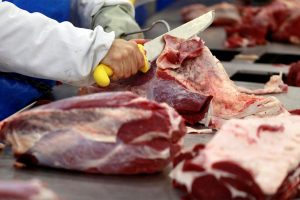
Philippines Meat Imports Slowdown in H1 Casts Doubt on Full-Year Outlook
Philippine meat importers are expressing uncertainty about the full-year outlook following a sharp decline in June imports, despite a rise in the first half. A weaker peso and high logistics costs are cited as potential causes.
This article requires PRO
This article is outside the free access window or is a special report. PRO unlocks it and the full archive.
Related articles
- PAGCOR's First-Half Net Income Plunges 85% Amid Weak E-Gaming Performance
The Philippine Amusement and Gaming Corp. (PAGCOR) reported an 85% year-on-year drop in first-half net income to P1.58 billion, primarily due to weaker earnings from its electronic gaming segment. Total revenues also saw a 26.64% decline.
- Philippines Meat Imports Rise, But Rising Costs and Weak Demand Cloud Outlook
Despite a 12.1% year-on-year increase in meat imports during the first half of 2026, challenges such as a weaker peso, port congestion, and subdued consumer demand are pressuring importers and could impact future import volumes in the Philippines.