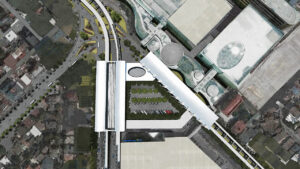
Unified Grand Central Station, 4 Infra Projects Approved
Business
2026年6月29日
3
BusinessWorld Economy

Unified Grand Central Station, 4 Infra Projects Approved

AI サマリー

The Investment Coordination Committee’s Cabinet Committee (ICC-CC) in the Philippines has approved four public infrastructure projects, including the Common Station for the LRT-1 Extension. This paves the way for the Unified Grand Central Station in Quezon City, an integrated transport hub, promising shorter commutes and expanded job opportunities.

The Investment Coordination Committee’s Cabinet Committee (ICC-CC) has approved four public infrastructure projects, including the Common Station of the Light Rail Transit Line 1 (LRT-1) Extension. The approval allows the government to move forward with the Unified Grand Central Station in North Avenue, Quezon City, which will serve as an integrated transport hub linking LRT-1, Metro Rail Transit (MRT) Line 3, the future MRT Line 7 and the Metro Manila Subway. “A seamless connection between LRT-1 and MRT Lines 3 and 7, and the Subway means shorter commutes, more hours with family, and workers who can reach more opportunities across the city,” Finance Secretary and ICC-CC Chairman Frederick D. Go said. “The ICC process exists to make sure every project we endorse delivers real outcomes for Filipinos,” he added. Once completed, the station is expected to serve 1.28 million passengers daily. The ICC-CC also approved the Technical Education and Skills Development Authority’s Boosting Employability in Strategic TVET Sectors project. It is expected to expand access to high-quality and industry-aligned technical and vocational education and training (TVET) in manufacturing, construction, information and communication technology, and agri-fishery. “The project aims to equip more Filipinos with in-demand skills that lead to better employment opportunities and higher incomes, while strengthening the country’s talent pipeline to support industrial growth, innovation, and competitiveness,” the committee said. The ICC-CC also greenlit the Department of Energy’s Philippine Geothermal Resource Derisking Facility which is expected to unlock more private investment in geothermal resource exploitation. The project is backed by a sovereign loan from the Asian Development Bank and will be implemented through Land Bank of the Philippines. The committee also approved the Department of Public Works and Highways’ Philippine Seismic Risk Reduction and Resilience Project which aims to strengthen preparedness against major earthquakes. It will carry the seismic retrofitting of school buildings in Metro Manila and strengthen the government’s capacity to respond during disasters. — Justine Irish D. Tabile

多角的分析

経済的影響

4件のインフラプロジェクト承認は、フィリピン経済の短期的な活性化と長期的な成長基盤の強化に寄与する。特に、統合中央駅は交通渋滞の緩和と物流コストの削減を通じて、経済活動の効率を高める。また、TVET分野への投資は、労働市場のスキルミスマッチを解消し、生産性向上に繋がる。地熱資源開発への民間投資促進策は、エネルギー供給の安定化と再生可能エネルギーへのシフトを後押しする可能性がある。

投資家心理

これらのインフラプロジェクトは、フィリピンへの直接投資(FDI)を促進するシグナルとなる。特に、交通インフラの改善は、物流・製造業への投資魅力を高める。地熱発電への民間投資促進は、エネルギーセクターへの新たな投資機会を生み出す。ただし、プロジェクトの実行リスクや、フィリピン特有の規制環境、政治的安定性などを慎重に評価する必要がある。

社会的影響

統合中央駅の完成は、マニラ首都圏の住民の通勤時間を大幅に短縮し、生活の質を向上させる。これにより、家族との時間が増え、より広範な雇用機会にアクセスできるようになる。TVETプロジェクトは、若年層のスキルアップと雇用創出に貢献し、貧困削減に繋がる可能性がある。学校建物の耐震補強は、地震が多いフィリピンにおいて、子供たちの安全確保と教育継続性の観点から極めて重要である。

市民の声

統合中央駅の整備は、マニラ首都圏の通勤者にとって朗報である。現在の過密な公共交通機関の状況を考えると、より快適で迅速な移動が可能になることは、日々の生活の質に直接的な影響を与える。TESDAのTVETプロジェクトは、特に若年層が将来への希望を見出し、より良い職に就くための具体的な道筋を提供する可能性がある。しかし、これらのプロジェクトが計画通りに進捗し、国民全体に恩恵が行き渡るかどうかが注視される。

背景・歴史的文脈

フィリピン政府は、経済成長の鈍化とインフラの遅れという課題に長年直面してきた。特にマニラ首都圏の交通渋滞は深刻で、経済損失も大きい。ドゥテルテ前政権下で推進された「ビルド、ビルド、ビルド」政策は、大規模インフラ投資を目指したものだが、財源確保や実行遅延の問題も抱えていた。現マルコス政権も、インフラ整備を経済回復の柱としており、PPP(官民連携)や国際機関からの融資を活用してプロジェクトを推進している。今回のICC-CCによる承認は、こうした継続的なインフラ投資戦略の一環と位置づけられる。

原文ソース

BusinessWorld Economy

原文を読む