Cambodia Pushes for Full FMIS Adoption in Sub-National Administrations to Enhance Transparency and Efficiency
Economy
2026年7月16日
5
AKP Khmer

Cambodia Pushes for Full FMIS Adoption in Sub-National Administrations to Enhance Transparency and Efficiency

AI サマリー

Cambodia's Ministry of Economy and Finance and Ministry of Interior held a briefing to promote the full adoption of the Financial Management Information System (FMIS) budgeting and expenditure functions among all 25 provincial and municipal administrations and relevant units. The move aims to enhance public services and citizens' livelihoods with full implementation targeted for early 2027.

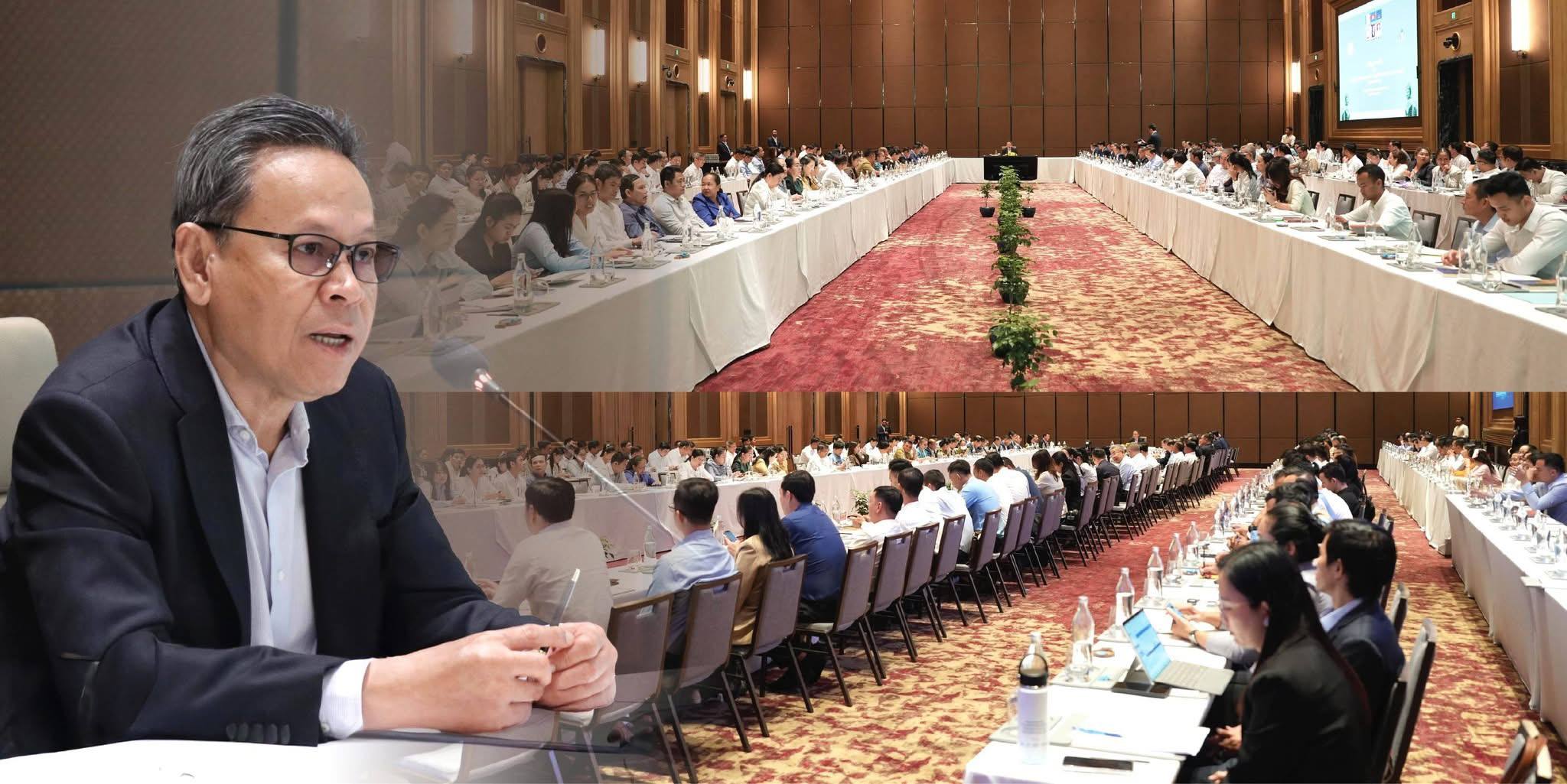
The Ministry of Economy and Finance, in collaboration with the Ministry of Interior, organized an awareness program on "Full Implementation of Budget Planning Functions and Current Expenditure Procedures in the FMIS" for all 25 provincial and municipal administrations and relevant units. The event, held on the morning of July 15, 2026, was presided over by H.E. Dr. Hang Senghip, Secretary of State of the Ministry of Economy and Finance and Chairman of the FMIS Project Management Working Group. Over 200 leaders and technical officials from ministries, institutions, and provincial-municipal administrations attended. H.E. Dr. Hang Senghip emphasized that the full use of FMIS for budget planning and expenditure procedures by provincial-municipal administrations and related units will contribute to three key areas: First, FMIS is a crucial tool for disciplined administrative work, which is the foundation for the development of provinces and municipalities. This will enhance citizens' trust in provincial-municipal administrations. Proper budget execution leads to improved public services and consequently better livelihoods for the people, as well as more targeted investment and development at the local level. Second, it signifies a shift in mindset and habits from traditional work methods to strengthening and enhancing system ownership through the firm and unwavering commitment of sub-national leaders and technical officials. This reflects a contribution to transforming work methods from traditional to modernized approaches, ensuring that the ultimate vision of the government can be achieved, thereby promoting good governance and supporting rapid public services for local populations. Third, the full implementation of FMIS procedures, set to officially commence for provincial-municipal administrations in early 2027, aims for comprehensive financial operations. This will reduce redundant and value-less paper-based tasks, significantly contributing to public administration reform, public financial management reform, and sub-national democratic reform. Dr. Hang Senghip stressed that FMIS plays a vital role in managing Cambodia's public financial system, not merely recording information but focusing on results and achievements. It ensures the management of financial resources and serves as an effective budget management and execution system, capable of tracking financial operations from budget planning to complete expenditure settlement. Furthermore, he highlighted that the implementation of FMIS procedures has demonstrably reduced the complexity of work processes and the use of paper documents. As a result, the average time for payment to suppliers or beneficiaries has been reduced to just 9 days in 2025, counting from the expenditure request to the final disbursement. In conclusion, H.E. Dr. Hang Senghip advised provincial-municipal administrations and related units to continue strengthening ownership, capacity, and understanding among their responsible officials through training. He urged them to provide cooperation in inputting data and to work together in the spirit of "national interest" and "idealism." The goal is to ensure the successful and highly effective utilization of FMIS by early 2027. Source: AKP Khmer

多角的分析

経済的影響

FMISの導入は、カンボジアの公共財政管理の透明性と効率性を向上させるための重要な一歩である。これにより、予算執行の追跡可能性が高まり、不正や無駄の削減が期待される。特に地方行政レベルでの導入は、地域開発プロジェクトへの資金配分をより的確にし、投資環境の改善にも寄与する可能性がある。ただし、システム導入と運用には継続的な投資と人材育成が不可欠であり、その効果はこれらの要素に大きく左右される。

投資家心理

FMISの全国的な導入と普及は、カンボジアの投資環境における透明性の向上を期待させる。特に地方行政における予算執行の迅速化と明確化は、インフラ開発や公共サービス改善への投資を検討する企業にとって、リスク低減要因となり得る。しかし、具体的な投資決定には、システムの運用実績、データ公開の範囲、および汚職防止策の実効性といった、より詳細な情報が求められるだろう。

社会的影響

FMISの地方行政への完全導入は、公共サービスへの市民の信頼を高める上で重要な意味を持つ。予算がより効果的かつ透明性をもって執行されることで、教育、医療、インフラなどの公共サービスが向上し、最終的には市民の生活水準の向上につながると期待される。また、紙ベースの業務削減は、行政手続きの迅速化にも寄与し、市民の利便性を高める可能性がある。

市民の声

FMISの導入は、市民の生活に直接的な影響を与える。予算の使途がより明確になり、公共サービスが改善されることで、教育、医療、インフラなどの質が向上することが期待される。また、行政手続きの迅速化は、市民の利便性を高めるだろう。しかし、システム導入の遅延や不具合が発生した場合、市民サービスに影響が出る可能性も否定できない。

背景・歴史的文脈

カンボジアでは、長年にわたり公共財政管理の効率化と透明性向上が課題とされてきた。特に地方行政における予算執行の遅延や不透明さは、開発の阻害要因と指摘されてきた。FMIS(Financial Management Information System)は、こうした課題に対処するため、国際機関の支援も受けながら導入が進められている。2027年からの地方行政での本格導入は、公共サービス提供の質向上と、より良い統治を目指す政府の改革努力の一環である。

原文ソース

AKP Khmer

原文を読む