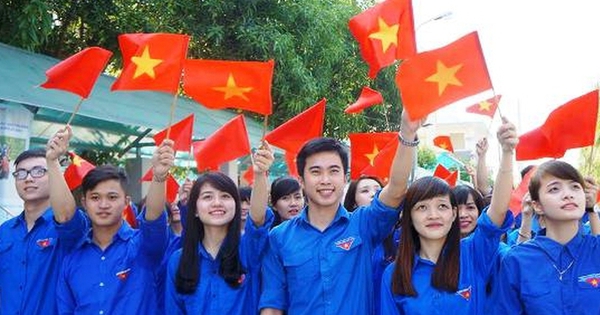
Vietnam Renews Youth Development Strategy Towards 2030, Focusing on Digital Skills, Language Proficiency, and Vocational Training
The Vietnamese government has updated its youth development strategy for the period up to 2030, aiming to enhance national defense and security education, foreign language proficiency, and participation in science and technology. The strategy emphasizes digital skills, vocational training, and the creation of sustainable employment.
The Vietnamese government has renewed its youth development strategy for the 2021–2030 period, setting ambitious goals to equip young people with critical skills and opportunities. The updated strategy places a significant emphasis on enhancing national defense and security education, improving foreign language proficiency, and fostering greater engagement in science and technology. Key targets for 2030 include ensuring that 80 percent of young workers and 75 percent of youth residing in rural areas, as well as those from ethnic minority and mountainous regions, receive education and training in national defense and security. Concurrently, the strategy aims for at least 30 percent of young individuals to achieve Level 3 or higher proficiency in foreign languages, as defined by the Vietnamese Foreign Language Competency Framework. In the domain of science and technology, the government intends to spur innovation by increasing the number of research projects spearheaded by young people by 15 percent. It also plans to grow the workforce in science and technology organizations by 10 percent compared to 2020. To cultivate a highly skilled young workforce, the strategy mandates that 80 percent of young people acquire fundamental digital knowledge and skills, with a further 40 percent expected to master advanced digital competencies, including the practical application of artificial intelligence (AI). The vocational training component of the strategy is designed to ensure that 70 percent of young people receive vocational training or gain occupational skills aligned with the National Skills Qualification Frameworks. Special attention is given to vulnerable youth, with plans to provide government support for vocational skill development to half of these individuals. On the employment front, the strategy aims for 70 percent of young people to secure sustainable jobs, including green jobs, or to be employed in high-growth sectors such as the digital economy and high-tech industries, or other areas prioritized for national development. Over the next five years, the government is committed to creating stable employment for over 50 percent of young people in ethnic minority and mountainous regions and disadvantaged areas. Furthermore, the strategy includes provisions to create stable job opportunities for 30 percent of young people with disabilities, individuals living with HIV, those who have completed drug rehabilitation or correctional programs, and stateless Vietnamese youth.
多角的分析
ベトナム政府が若者のデジタルスキルや職業訓練への投資を強化する戦略は、将来の経済成長の原動力となる人的資本への投資と見られる。特にAIを含む高度デジタルスキルの習得目標は、ベトナムが製造業中心から、より付加価値の高い産業へと移行しようとする意欲の表れである。これは、グローバルサプライチェーンにおけるベトナムの地位向上や、外国直接投資(FDI)の質的向上に寄与する可能性がある。ただし、これらの目標達成には、教育システムの質的向上、産業界との連携強化、そしてデジタルデバイドの解消が不可欠となる。
この戦略は、ベトナムの将来的な労働力プールの質的向上を示唆しており、長期的な投資家にとって魅力的な要素となり得る。特に、AIやハイテク分野への注力は、これらの分野に関連する企業や、これらのスキルを持つ人材を求める多国籍企業にとって、ベトナムへの投資を促進する要因となるだろう。しかし、目標達成の進捗状況や、教育・訓練プログラムの実際の効果については、継続的な監視が必要である。また、デジタルスキルの格差や、地方と都市部の格差が投資環境に与える影響も考慮すべき点である。
この戦略は、特に少数民族や不利な立場にある若者、障害を持つ若者など、社会的に脆弱な層のエンパワメントを目指している。彼らが職業訓練や安定した雇用を得る機会を増やすことは、社会全体の包摂性を高め、所得格差の是正に貢献する可能性がある。しかし、これらの目標が現場でどのように実行され、真に恩恵を受ける人々に届くのかは、地域社会の協力や、地域の実情に合わせたきめ細やかな支援策にかかっている。SNSなどを通じた情報共有の促進も、若者の意識向上に寄与するだろう。
この戦略は、ベトナムの若者、特に地方や不利な立場にある若者にとって、将来のキャリアパスを切り拓く上で重要な機会を提供する可能性がある。デジタルスキルや外国語能力の向上は、より良い雇用機会に繋がり、生活水準の向上に期待が持てる。しかし、目標達成のためには、教育インフラの整備や質の高い講師の確保が不可欠であり、地方と都市部での教育機会の格差が拡大しないか懸念される。また、グリーンジョブやハイテク産業への就職目標が、現実の雇用創興にどれだけ結びつくかが注視される。
背景・歴史的文脈
ベトナムは、1986年のドイモイ(刷新)政策以降、市場経済化を進め、急速な経済成長を遂げてきた。その成長を支えてきたのは、豊富な若年労働力である。しかし、経済の高度化に伴い、労働力の質的向上が喫緊の課題となっている。特に、デジタル化の進展やグローバルサプライチェーンの変化に対応するため、教育・訓練システムの改革が求められてきた。過去の戦略でも若者育成は重視されてきたが、今回はAIなどの最新技術や、持続可能な雇用、包摂性といった現代的な課題への対応をより具体的に盛り込んでいる点が特徴である。
原文ソース
Bao Chinh Phu