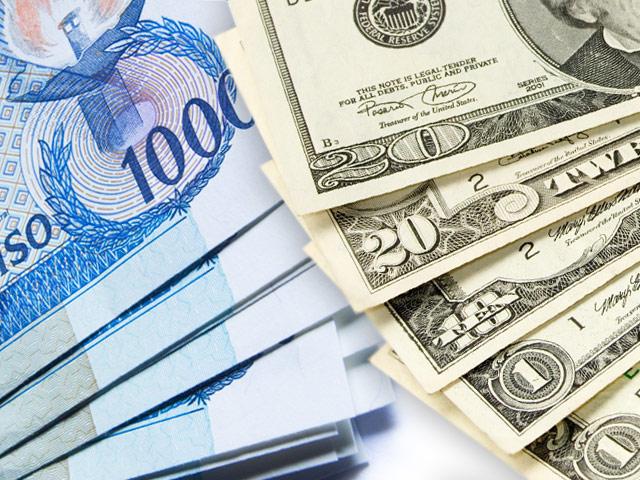
Philippine Peso May Hit Record Low of P63:$1 Amid Middle East Tensions, Rising Imports
Economy
2026年7月17日
5
GMA Money Philippines

Philippine Peso May Hit Record Low of P63:$1 Amid Middle East Tensions, Rising Imports

AI サマリー

The Philippine peso is projected to hit a record low of P63 against the US dollar in the coming months due to renewed Middle East conflict and seasonal import demand, according to BMI. Rising energy prices are expected to increase import costs and widen the trade deficit.

The Philippine peso is expected to trade as high as P63:$1 in the coming months following the renewed escalation of the conflict in the Middle East and the anticipated seasonal boost in import demand, Fitch Solutions unit BMI said in a report Friday. In a commentary, BMI said the peso is expected to remain “under pressure” in the coming months and trade within the P61-P63:$1 range, and end the year at P61:$1 as global oil prices ease and remittance inflows grow. “A renewed escalation in the US-Iran conflict, US dollar firmness and seasonal peak in import demand will weigh on the peso in the near term,” the commentary read. The peso closed Thursday, July 16, at P61.62:$1. It closed at a record-low P61.75:$1 on May 18, 2026. According to BMI, the higher global energy prices have increased the pressure on the peso as the Philippines — which earlier declared a state of national energy emergency — is a net importer of fuel. “Renewed gains in global energy prices will further weigh on the peso by pushing up the import bill and widening the trade deficit. Recent data already reflect this impact,” BMI said. The United States has carried out strikes against Iran and reimposed a naval blockade to prevent ships from sailing to or from the country’s ports, as tensions between the two countries have reescalated. Global oil prices increased to four-week highs earlier this week — Brent crude to the highest since June 12, and the West Texas Intermediate (WTI) to the highest since June 16. BMI also noted that weak foreign direct investment (FDI) inflows offer “little relief.” Net inflows stood at $250 million in April, the lowest in nearly 10 years since June 2016’s $244 million. “Heightened geopolitical tensions and uncertainties surrounding global trade policy are likely to continue weighing on investment sentiment and deter investment inflows, limiting near-term upside for the peso,” BMI said. BMI likewise noted that the dollar is well supported as financial markets continue to expect the Federal Reserve to rate hikes by another 25 basis points by the end of the year. “Despite the bearish near-term outlook, we expect the peso to strengthen modestly by the end of 2026. Seasonal remittance inflows typically strengthen towards year-end, which will increase demand for the peso,” it said. BMI said the peso weakness is expected to continue through 2027, as it revised its forecast for next year to P60:$1 from P58.50:$1 previously, citing the lack of drivers for a sustained peso appreciation. “FDI inflows will probably remain subdued given persistent geopolitcal uncertainty, while higher effective US tariff rates on goods from the Philippines will likely weigh on export growth,” it said. — RSJ, GMA News

0

多角的分析

経済的影響

フィリピン・ペソの弱含みは、国内経済の構造的な課題と外部要因の複合的な影響を受けている。燃料純輸入国であるフィリピンにとって、世界的なエネルギー価格の高騰は輸入コストを直接的に押し上げ、貿易赤字を拡大させる。これはペソ安圧力の主要因となる。さらに、海外直接投資(FDI)の低迷は、外貨流入の減少を通じてペソをさらに圧迫している。これは、地政学的な不確実性や世界貿易政策への懸念が、外国投資家のリスク回避姿勢を強めていることを示唆しており、フィリピン経済の構造的な脆弱性を浮き彫りにしている。過去、フィリピン経済は海外からの送金(レミタンス)に大きく依存してきたが、FDIの不足は経済の持続的な成長と安定化にとって構造的な課題であり続けている。

投資家心理

フィリピン・ペソのさらなる下落見通しは、海外投資家にとって警戒信号となる。特に、中東情勢の緊迫化や世界的なインフレ圧力の高まりは、リスク資産からの資金流出を促す可能性がある。フィリピンへの投資を検討している投資家は、為替リスクをヘッジするための追加コストや、輸入コスト増による国内企業の収益性への影響を慎重に評価する必要がある。また、FDIの低迷は、フィリピン経済の成長ポテンシャルに対する市場の信頼感の低下を示唆しており、長期的な投資判断に影響を与える可能性がある。為替レートの変動は、フィリピンからの輸出企業の収益にも影響を与えるが、輸入コストの増加は、国内消費財メーカーやエネルギー関連企業にとっては特に厳しい状況をもたらすと考えられる。

社会的影響

ペソ安は、フィリピン国民の生活に直接的な影響を与える。燃料価格の上昇は、交通費や電気料金の上昇を通じて、家計の負担を増大させる。また、輸入物価の上昇は、食料品や日用品などの物価上昇を引き起こし、特に低所得者層の購買力を低下させる。海外で働くフィリピン人労働者(OFW)からの送金は、多くの家庭にとって重要な収入源であり、ペソ安はこれらの送金の現地通貨での価値を増加させる可能性があるため、一時的な恩恵をもたらすかもしれない。しかし、全体として、購買力の低下は社会的な不満を高める要因となりうる。特に、マニラ首都圏のような都市部では、交通費や生活費の上昇が、日々の生活をさらに困難にする可能性がある。

市民の声

フィリピン・ペソは、中東情勢の再燃と輸入需要の季節的増加により、今後数ヶ月で対ドルで1ドル=63ペソの記録的安値を更新する可能性があるとBMIが予測。エネルギー価格高騰が輸入コストを押し上げ、貿易赤字を拡大させる見通し。。記事本文に基づく追加の深掘りが必要な場合は、関連ソースを確認しながら補完してください。

背景・歴史的文脈

フィリピン・ペソの価値は、歴史的に国際的な商品価格(特に原油)、海外からの送金(レミタンス)、そして海外直接投資(FDI)の動向に大きく影響されてきた。フィリピンはエネルギー純輸入国であり、原油価格の変動は貿易収支に直接的な打撃を与える。また、海外で働くフィリピン人労働者(OFW)からの送金は、フィリピン経済の重要な柱であり、ペソの安定に寄与してきた。しかし、近年、地政学的な不確実性や世界貿易摩擦の激化により、FDIの流入が鈍化しており、これがペソの弱さを助長する一因となっている。特に、2016年以降のFDIの低迷は、フィリピン経済の構造的な課題を示唆している。

原文ソース

GMA Money Philippines

原文を読む