Cambodia Boosts Rural Road Quality with Expert Training Workshop
Infrastructure
2026年7月14日
5
CPP Cambodia
Relations
🇰🇭Cambodia🇨🇳China

Cambodia Boosts Rural Road Quality with Expert Training Workshop

AI サマリー

Cambodia's Ministry of Rural Development held a workshop to share expertise and enhance capacity in the design and quality control of rural road infrastructure. This initiative supports the government's 'Pentagonal Strategy' and national rural development policy aiming for prosperity and sustainability in rural areas.

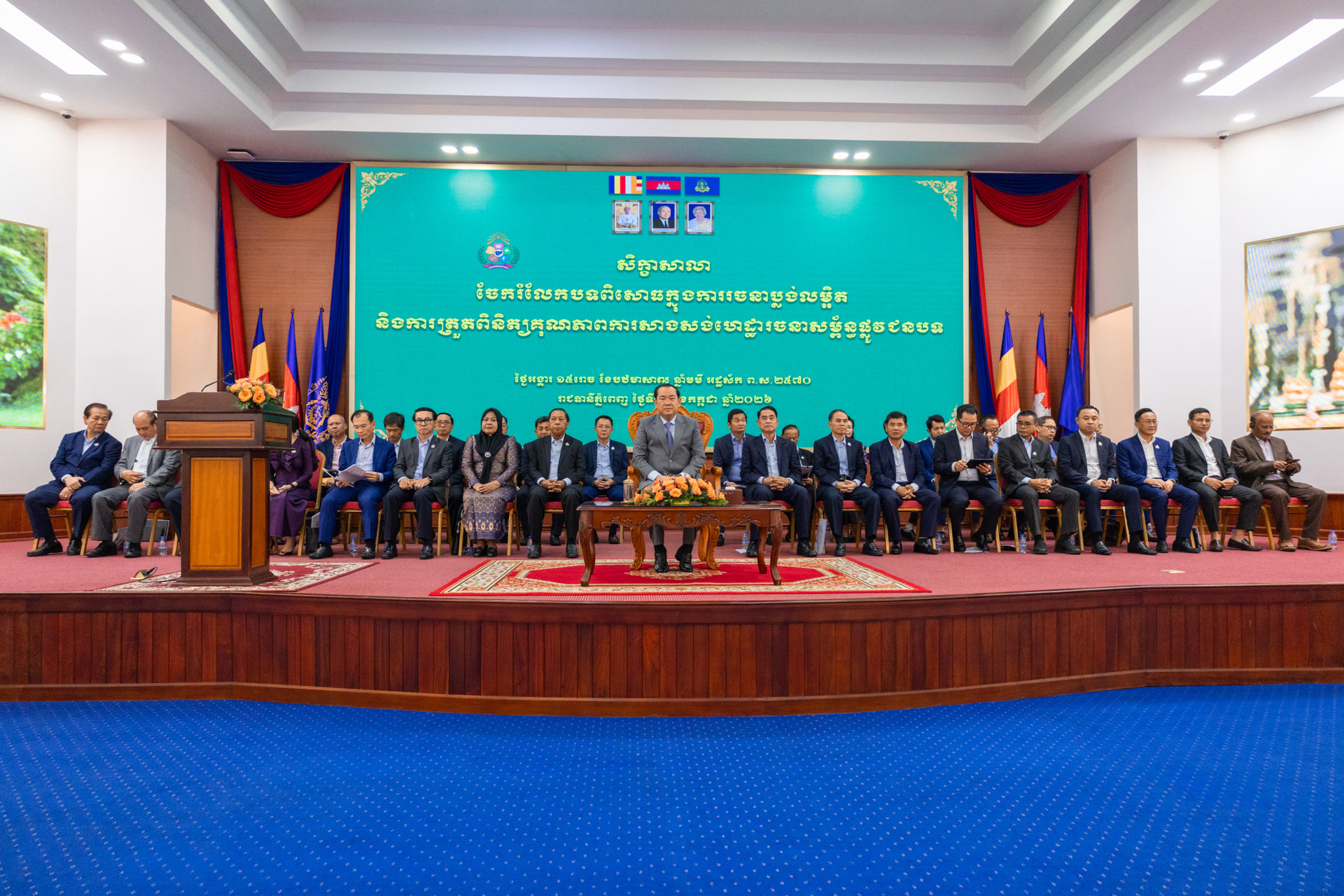
The Ministry of Rural Development in Cambodia convened a workshop on July 14th to share experiences and enhance capabilities in the design and quality control of rural road infrastructure. The event was presided over by Mr. Chim Sokey, Secretary of State, representing the Minister of Rural Development, Mr. Chhay Rithisen. The workshop saw the participation of 250 individuals, including ministry leaders, rural road development project leaders, technical consultants, representatives of construction contractors, and technical officers from rural development departments in the capital and provinces. The workshop aims to strengthen and improve the capacity of technical officials within the ministry and provincial rural development departments, as well as all stakeholders, in detailed design and quality control. This is to enhance the effectiveness of rural road infrastructure development in response to growing demands and practical implementation contexts. During the event, Mr. Chim Sokey highlighted the 'Pentagonal Strategy' and policies of the 7th legislature government under the wise and intelligent leadership of Prime Minister Hun Manet. He further stated that to contribute to the implementation of the government's 'Pentagonal Strategy' Phase 1, the Ministry of Rural Development is implementing the National Rural Development Policy for 2025-2035. This policy envisions 'Building a prosperous, inclusive, equitable, and sustainable Cambodian rural society,' prioritizing the five key strategies of the national policy to achieve the government's vision of becoming a high-income country by 2050. Mr. Chim Sokey emphasized that rural infrastructure plays a crucial role in facilitating travel, agricultural product transportation, and various business activities, thereby promoting economic growth in rural areas and contributing to the nation's economic development. Therefore, ensuring the quality and efficiency of rural road infrastructure construction and enhancing its resilience requires technical standards, detailed design studies, particularly high-quality road construction, and inspections that adhere to technical principles and procedures. In this regard, the workshop is deemed essential for further enhancing and strengthening effectiveness and for gathering input from all relevant parties to improve the quality of detailed design and construction supervision of rural road infrastructure. In conclusion, the Secretary of State provided several key recommendations to ensure the workshop proceeds smoothly and achieves its expected success. Source: CPP Cambodia

多角的分析

経済的影響

カンボジア政府は、農村部の経済活性化と国民生活の向上を国家開発の重要課題と位置づけている。農村インフラ、特に道路網の整備は、農産物の輸送コスト削減、市場へのアクセス向上、そして地域内でのビジネス機会創出に直結する。本ワークショップは、単なるインフラ建設に留まらず、その設計段階から品質管理に至るまで、専門知識を持つ人材育成に焦点を当てており、長期的なインフラの持続可能性と経済効果の最大化を目指す姿勢を示している。これは、中国からのインフラ投資が拡大する中で、カンボジアが単なる受け手ではなく、自国の技術力向上と国際基準への適合を図るための戦略的な取り組みとも解釈できる。

投資家心理

農村部のインフラ整備、特に道路網の改善は、投資家にとって魅力的である。輸送コストの低下と物流の効率化は、農業関連産業や製造業のサプライチェーン改善に繋がり、投資リスクの低減に寄与する。しかし、投資判断においては、単に道路が建設されるだけでなく、その設計・施工の品質、維持管理体制、そして地域経済への波及効果が重要となる。本ワークショップは、カンボジア政府がインフラの質的向上に注力していることを示唆しており、長期的な視点での投資環境の安定化に繋がる可能性がある。一方で、中国一辺倒ではない、多様な国際基準に則ったインフラ整備への意欲が見られるかどうかも、今後の投資判断の鍵となるだろう。

社会的影響

農村部の道路インフラの質的向上は、カンボジア市民の生活に直接的な恩恵をもたらす。悪天候時でも安全かつ迅速に移動できるようになり、医療施設へのアクセス改善や子供たちの通学支援にも繋がる。また、農産物の市場への迅速な出荷は、農家の収入向上に直結し、貧困削減に貢献する。本ワークショップで強調されている「包摂的で公平かつ持続可能な農村社会の構築」というビジョンは、インフラ整備が単なる物理的開発に留まらず、社会全体の福祉向上を目指すものであることを示している。しかし、実際の恩恵が地域住民に公平に行き渡るためには、建設・維持管理プロセスにおける透明性と、地域住民のニーズを反映した計画策定が不可欠である。

市民の声

農村部の道路整備は、プノンペン市民の生活とは直接関係ないように見えるかもしれないが、地方からの農産物供給の安定化や、地方経済の活性化は、都市部の物価や雇用にも間接的に影響を与える。より良い道路は、地方の観光資源へのアクセスを改善し、国内観光の促進にも繋がるだろう。しかし、市民の視点からは、インフラ開発に伴う環境への影響や、建設現場周辺での騒音・粉塵問題、そして開発の恩恵が一部の地域や層に偏らないかといった懸念もある。政府が掲げる「包摂的」という言葉が、具体的にどのように地域住民の生活向上に結びつくのか、その進捗が注目される。

背景・歴史的文脈

カンボジアでは、長年にわたり農村部のインフラ整備が国家開発の重要な柱とされてきた。特に、ポル・ポト政権崩壊後の復興期から、国際社会や近隣諸国の支援を受けて道路網の拡充が進められてきた。近年、中国からの大規模なインフラ投資が増加し、多くの道路や橋梁が建設されている。しかし、その一方で、建設されたインフラの品質や持続可能性、そしてメンテナンス体制に関する課題も指摘されてきた。現政権が掲げる「五角戦略」は、経済成長の加速、国民生活の向上、そして持続可能な開発を目標としており、農村開発はその中核をなす。本ワークショップは、こうした背景の下、インフラ整備の質を高め、国内の技術力を向上させることで、より自立的で質の高い開発を目指す政府の意向を反映している。

原文ソース

CPP Cambodia

原文を読む