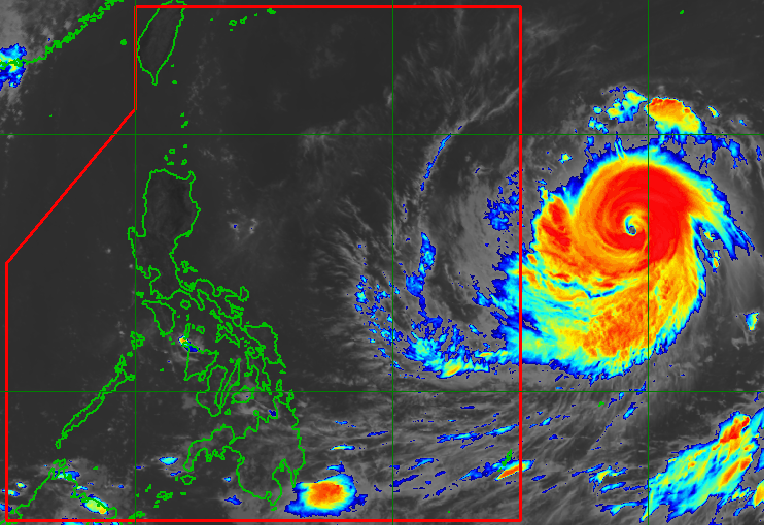
Marcos Orders Gov't Agencies on High Alert for Super Typhoon Bavi
Environment
2026年7月7日
5
Rappler Philippines

Marcos Orders Gov't Agencies on High Alert for Super Typhoon Bavi

AI サマリー

President Ferdinand Marcos Jr. has ordered government agencies to prepare for Super Typhoon Bavi, which is approaching the Philippines. Directives include pre-positioning of resources, evacuation plans, and enhanced public advisories, with particular caution for Northern Luzon.

MANILA, Philippines – President Ferdinand Marcos Jr. has ordered various government agencies to prepare for the effects of incoming Super Typhoon Bavi this week, the Office of the Civil Defense (OCD) said on Tuesday, July 7. OCD spokesperson Junie Castillo said government agencies have implemented preemptive measures and prepositioning of resources and manpower in areas that may be affected by Super Typhoon Bavi. Asked about the high-risk areas for the super typhoon, Castillo said it would be extreme Northern Luzon and Eastern Luzon, including Cagayan Valley, Batanes, Babuyan Islands, northern Cagayan, and Isabela. However, he also stressed that the southwest monsoon, or habagat, will be strengthened and may bring rains and winds over the western sections of Luzon, including Metro Manila, and Visayas. “The local government units (LGUs) are monitoring the time for high tide and heavy rainfall outlook because of the effects of the southwest monsoon, tropical cyclone, and localized thunderstorms,” Castillo told PTV4’s Bagong Pilipinas Ngayon in Filipino. He said the Department of the Interior and Local Government (DILG) is already coordinating with LGUs to maximize available information from science-based agencies for preemptive evacuations. The OCD official said Marcos has directed government agencies to issue sea travel advisories on possible rough waters. Food and non-food items have been prepositioned, while emergency telecommunications teams, logistics, power and energy groups, search and rescue teams, as well as debris cleaning and civil works clusters are already on standby. Action from gov’t agencies The Department of Social Welfare and Development (DSWD) said more than 4.7 million family food packs (FFPs) have been prepositioned, while an additional 7,000 FFPs have been delivered to Batanes. Over 360,000 ready-to-eat food packs have also been prepositioned, the agency said. The DSWD appealed to the public to prepare themselves and follow announcements of their local governments. Marcos also told government agencies to take care of the livelihood of affected residents, and set up mechanisms to evacuate livestock. Meanwhile, the DILG has placed LGUs, particularly in Northern Luzon and other hazard-prone areas, on heightened alert. The agency also told LGUs to implement various measures, including identifying flood- and landslide-prone areas, clearing drainage systems and waterways, inspecting critical infrastructure, and intensifying public information campaigns to encourage residents to prepare emergency go bags, monitor official advisories, and avoid unnecessary travel during severe weather conditions, among others. Weather outlook Super Typhoon Bavi is seen to enter the Philippine Area of Responsibility (PAR) on Wednesday morning, July 8, according to the 5 pm briefing of the Philippine Atmospheric, Geophysical, and Astronomical Services Administration (PAGASA). Once it enters PAR, it will have the local name Inday, the country’s ninth tropical cyclone. Must Read Super Typhoon Bavi slightly weakens outside PAR, but remains powerful PAGASA weather specialist Benison Estareja said that while there are no areas affected by the direct effects of Super Typhoon Bavi yet, the tropical cyclone is starting to strengthen the southwest monsoon. Because of this, Estareja said that there’s a high chance of rains over Zamboanga Peninsula, Bangsamoro Autonomous Region in Muslim Mindanao, Soccsksargen, Misamis Occidental, and Lanao del Norte from Tuesday afternoon to early Wednesday morning. – Rappler.com

多角的分析

経済的影響

台風接近による経済的影響は、直接的なインフラ被害や農作物への損害に加え、サプライチェーンの寸断、観光業への打撃が懸念される。特に、影響を受ける可能性のある北部ルソン地方は農業が盛んな地域であり、食料価格の上昇につながるリスクがある。また、復旧・復興には多額の公的資金が必要となり、財政への負担も無視できない。

投資家心理

投資家にとっては、台風によるインフラ被害や経済活動の停滞は短期的なリスク要因となる。特に、建設、農業、運輸関連セクターは直接的な影響を受けやすい。しかし、長期的な視点では、災害からの復興需要やインフラ投資の増加が新たな投資機会を生む可能性もある。政府の迅速かつ効果的な対応が、投資家の信頼回復に不可欠となる。

社会的影響

今回の台風接近は、特に脆弱な立場にあるコミュニティに大きな影響を与える。低所得者層や沿岸部に住む人々は、避難の困難さや家屋の被害リスクが高まる。また、食料や水の確保、衛生状態の悪化は、感染症のリスクを高める可能性がある。政府は、避難所の安全確保、物資の公平な配布、そして被災後の生活再建支援において、社会的弱者への配慮を最優先する必要がある。

市民の声

フィリピン国民、特に台風の進路にあたる地域やその周辺に住む人々にとっては、生命と財産を守るための直接的な脅威となる。家屋の損害、農作物の被害、インフラの寸断による生活必需品の不足、そして避難生活の不便さなどが懸念される。政府からの正確で迅速な情報提供と、地方自治体による実効性のある避難誘導が、被害を最小限に抑える鍵となる。

背景・歴史的文脈

フィリピンは太平洋の「火山の輪」に位置し、台風銀座とも呼ばれる地域にあるため、熱帯低気圧の襲来が頻繁である。特に、6月から11月にかけては台風シーズンであり、大型台風による被害は過去にも甚大であった。2013年の台風ヨランダ(ハイエン)による壊滅的な被害は、フィリピンの防災体制の脆弱性を浮き彫りにした。そのため、政府は常に台風への備えを最優先課題の一つとしている。マルコス政権下でも、国民の安全確保と経済的損失の最小化は重要な政策課題であり、過去の教訓を踏まえた迅速な対応が求められている。

原文ソース

Rappler Philippines

原文を読む