General articles are free for 24 hours after publish.
Ho Chi Minh City Rules Out Gasoline Vehicle Ban, Bets on Free Buses and EV Incentives
Ho Chi Minh City has abandoned plans to gradually ban gasoline vehicles, opting instead to expand free bus services and offer incentives for electric vehicles (EVs). The city will encourage the EV transition through economic and policy measures, considering the impact on residents' lives.
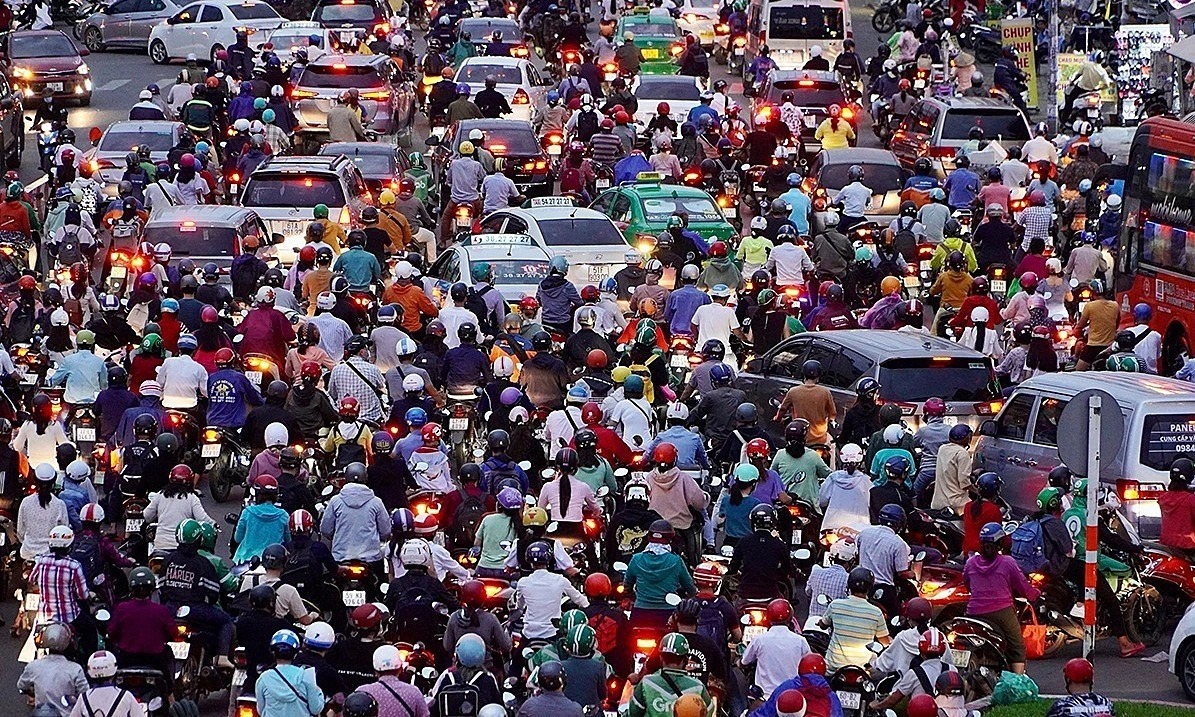
Ho Chi Minh City has ruled out a gradual ban on gasoline vehicles, opting instead to focus on expanding free bus services and offering incentives for electric vehicles (EVs). This decision comes after considering the direct impact on residents' lives, particularly workers and low-income earners. The city authorities stated they would not ban gasoline vehicles but would instead study economic and financial policies to encourage the switch to EVs. The use of smart cameras could identify EV users to provide them with incentives and priority, while gasoline vehicles might face separate policies. The cost of this transition could be shared among the state, residents, and businesses, aiming for a gradual implementation. Enhancing public transport is considered the top priority for alleviating traffic congestion. The city has allocated over VND2 trillion (US$77 million) for a year of free bus rides, which have been implemented on 134 intra-city routes since July 1. Between July 1 and September 22, these routes served over 26.8 million passengers, a 48% increase year-on-year. Furthermore, the city plans to deploy larger buses during peak hours and smaller ones during off-peak times, adjust vehicle numbers based on demand, integrate with the expanding metro network, and upgrade bus stops and passenger facilities. A shift in traffic culture is also deemed crucial, with drivers disregarding rules contributing to worsening jams. The city aims for public transport to meet 15-20% of travel demand by 2030. Pilot low-emission zones are also being considered for the central core and Thu Thiem from July 2027, and along Ring Road 2 from early 2029. By 2035, private motorbikes entering these zones will need to be electric or green-powered. Information Source: VnExpress International
Original source
VnExpress International