Cambodia Boosts Inclusion for Visually and Hearing Impaired with Public-Private Push for Infrastructure and Education
Cambodia's Minister of Social Affairs, Veterans and Youth Rehabilitation announced six key recommendations at the International Day of Persons with Visual and Hearing Impairments commemoration, focusing on improving accessibility in public spaces and workplaces, expanding education and vocational training, and enhancing information dissemination through public-private partnerships.
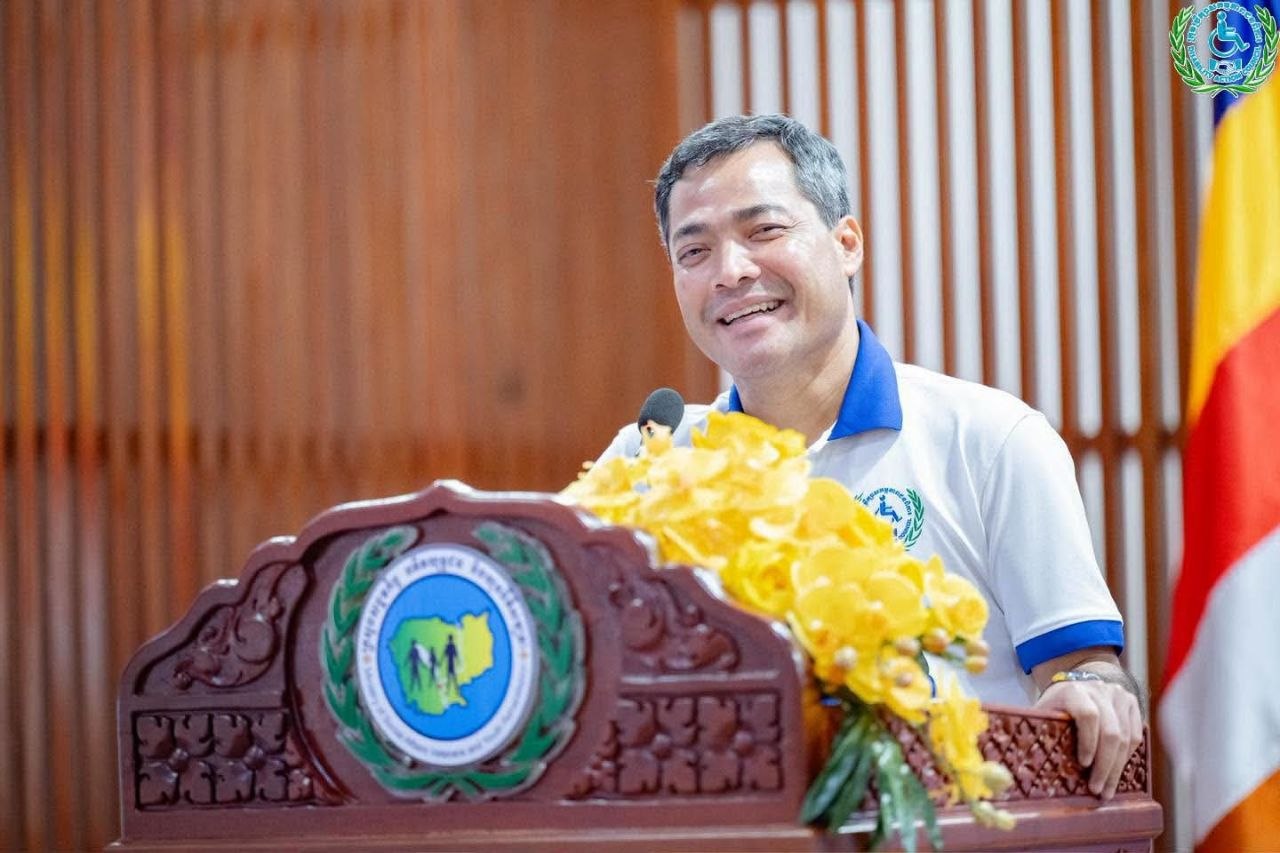
Mr. Chea Somethy, Minister of Social Affairs, Veterans and Youth Rehabilitation, and Mrs. Chea Phalgun, on July 8, 2026, presided over the celebration of the 2nd Anniversary of the International Day of Persons with Visual and Hearing Impairments on June 27, 2026, under the theme "Together We Recognize Persons with Visual and Hearing Impairments to Promote Inclusion and Full Participation in Society." On this auspicious occasion, H.E. Chea Somethy put forward six important recommendations: 1. National ministries and institutions, sub-national authorities, the private sector, civil society organizations, and development partners must jointly organize and adjust physical and appropriate facilities in public places and workplaces for persons with visual and hearing impairments to facilitate their communication and access to various news and information. This includes signage, information boards, sign language interpreters at various events, sign language and subtitles on television, social media, and digital technologies. 2. Relevant ministries, institutions, and the private sector must jointly organize and adjust physical infrastructure, such as office buildings, walking paths for persons with visual impairments, and transportation, to be comfortable, appropriate, and highly safe for persons with visual and hearing impairments to travel independently. 3. State and private educational institutions and partner organizations must cooperate to organize study programs and vocational training that respond to actual needs, as well as increase the number of sign language teachers and assistive devices to strengthen and expand educational opportunities for children and youth with visual and hearing impairments throughout the country. 4. It is requested that all institutions, especially the media and public service providers, jointly increase the production of Khmer Braille documents and include sign language interpreters in all news programs or important events to ensure that persons with visual and hearing impairments are not cut off from information and social dialogues. 5. It is requested that civil society organizations, development partners, and the private sector continue to cooperate closely with the Royal Government in mobilizing resources, both financial and material, such as Khmer Braille typewriters and hearing aids, to support poor persons with visual and hearing impairments living in remote areas. 6. We urge our brothers and sisters with visual and hearing impairments not to despair or give up their efforts, but to continue to develop their capacities to transform their disabilities into potential resources, overcoming all obstacles to achieve their goals and aspirations. At the ceremony, three slogans were also put forward: 1. Promote the rights and equitable participation of persons with visual and hearing impairments. 2. Strengthen access to information and public services for persons with visual and hearing impairments. 3. Work together to eliminate barriers and increase support for the independent lives of persons with visual and hearing impairments. The main objectives of the theme raised in 2026 are: 1. To increase public awareness about the organization and use of sidewalks, Khmer Braille, and sounds in elevators in public buildings, sounds at traffic lights, sounds in public places, stations, transportation, parking lots, advertising poles, flower pots, stalls, technological equipment, and public websites, and the conversion of documents and information into sound for persons with visual impairments. 2. To increase public awareness about the organization and use of sign language, information signs in buildings and public spaces, installation of subtitles in various television programs, on various means of transport, and on various social media networks for persons with hearing impairments. The event was attended by leaders from the Ministry of Social Affairs, Veterans and Youth Rehabilitation, members of the Council for Disability Action, philanthropists, artists, development partners, NGOs, the Hope for Deaf and Disabled Organization, Epic Art Organization, and other stakeholders, totaling approximately 368 people at the Ministry of Social Affairs, Veterans and Youth Rehabilitation. By Noy Noen (Source: Council for Disability Action) © All rights reserved by National News Agency of Cambodia 2018
多角的分析
カンボジア経済において、障害者の社会参加は潜在的な労働力の発掘と消費市場の拡大に繋がる。インフラ整備や教育支援への投資は、短期的なコスト増となる一方で、長期的に見て障害者の就労機会を増やし、経済活動への参加を促進することで、国内総生産(GDP)の向上に寄与する可能性がある。特に、デジタル技術の活用や職業訓練は、新たな産業分野での雇用創出にも繋がるため、経済成長の多様化に貢献すると考えられる。
投資家にとって、障害者の社会参加促進は、CSR(企業の社会的責任)活動の一環として、また、ユニバーサルデザインに基づいた製品やサービスへの需要増加という機会として捉えられる。特に、アクセシブルな観光施設、テクノロジー製品、教育サービスなどへの投資は、新たな市場を開拓する可能性を秘めている。政府の政策支援と民間セクターの協力が進むことで、投資環境はより包摂的かつ持続可能なものになることが期待される。
視覚・聴覚障害者の社会参加促進は、カンボジア社会における包摂性を高める上で極めて重要である。公共空間のバリアフリー化や情報アクセスの改善は、障害を持つ人々が日常生活を送る上での物理的・情報的な障壁を取り除く。また、教育や職業訓練の機会拡大は、彼らの自立を支援し、社会の一員としての貢献を可能にする。これは、障害者に対する社会的な偏見を減らし、より公平で多様性のある社会を築くための基盤となる。
カンボジア市民、特に障害を持つ人々とその家族にとって、今回の政府の勧告は大きな希望となる。公共交通機関の利用、情報へのアクセス、教育・就労機会の拡大は、日常生活の質を直接的に向上させる。例えば、手話通訳者の増加や点字情報の提供は、これまで情報から隔絶されがちだった聴覚・視覚障害者にとって、社会との繋がりを深める重要な手段となる。これにより、彼らはより尊厳を持って社会生活を送ることができるようになる。
背景・歴史的文脈
カンボジアでは、ポル・ポト政権下での悲劇を経て、多くの国民が障害を抱えることとなった。その後、国際社会の支援を受けながら、障害者の権利擁護や社会参加促進に向けた取り組みが進められてきた。2007年に国連障害者権利条約を批准し、国内法整備も進んでいるが、依然として物理的・社会的な障壁は多く、特に地方部では教育や雇用の機会が限られている。今回の勧告は、こうした状況を踏まえ、官民連携を強化し、より包括的な社会の実現を目指す政府の意向を示している。
原文ソース
AKP Khmer