Vietnamese Officials Face Resignation Calls Over Family Misconduct
Environment
2026年7月8日
5
VnExpress

Vietnamese Officials Face Resignation Calls Over Family Misconduct

AI サマリー

Vietnam's government has issued new regulations requiring public officials in management positions to voluntarily resign or face consideration for dismissal if their spouses or children violate laws or fall into social vices. This aims to uphold the ethics and credibility of public servants.

Vietnam's government has issued a new decree (Decree 259) effective July 1, mandating that public officials in management positions must voluntarily resign or face consideration for dismissal if their immediate family members, including spouses and children, violate laws or fall into social vices. This regulation aims to enhance the ethics and credibility of civil servants. Under the new rules, managing officials will be subject to resignation or dismissal if their departments or areas of management fail to meet targets and plans, or if important decisions, regulations, or projects they advised on are deemed ineffective or pose a risk of negative consequences, barring force majeure events. Officials who fail to promptly address complaints and denunciations within their authority, causing public discontent and negatively impacting their agencies, will also be considered for dismissal. Similarly, leaders who demonstrate a lack of responsibility and fail to address serious violations by their direct subordinates of Party regulations and state laws will face this consequence. Furthermore, managing officials may be encouraged to resign or be considered for dismissal if they perceive limitations in their leadership or management capabilities, lose credibility, receive over 50% low confidence votes in evaluations, have valid personal reasons, or if their leadership results in serious corruption, waste, or misconduct within their purview, even if not reaching the level of disciplinary action. Civil servants who fail to complete their tasks for two consecutive years, violate political integrity, ethics, or lifestyle standards, allow others to exploit their position or authority for personal gain resulting in serious consequences (unless they were unaware), or exhibit a lack of courage, avoidance of responsibility, and failure to perform their duties leading to very serious outcomes, will also be subject to voluntary resignation or dismissal considerations. Specifically, managing officials will face these measures if their spouses or children are found to have violated laws or engaged in social vices, leading to public outcry and negatively impacting their reputation and that of their agency. For officials receiving over 50% low confidence votes, dismissal will be considered even if they do not submit a resignation. However, those in roles related to national defense, security, or critical confidential missions, whose resignation would severely impact their duties, or who are under investigation, will not be considered for resignation or dismissal during that period. Officials in management roles can also be considered for removal if they receive a warning and are assessed as having limited capacity or diminished credibility, making them unable to continue in their position. This also applies if they have been reprimanded twice or more within their appointment term, receive two-thirds low confidence votes, fail to complete tasks for two consecutive years, show ideological and political degradation, moral decay, lifestyle issues, undergo self-evolution or self-transformation, violate Party member prohibitions, fail to uphold exemplary responsibilities, or violate political standards to a degree requiring removal. Additionally, leaders whose departments or direct subordinates cause very serious corruption, waste, or misconduct, or significant internal conflicts and disunity, will also be subject to removal consideration. These provisions take effect from July 1, 2024.

多角的分析

経済的影響

この政令は、公務員の不正行為に対する責任を強化するものであり、直接的な経済的影響は限定的である。しかし、長期的に見れば、公務員の倫理観向上は、汚職の削減、公的資金の効率的な使用、ひいては投資環境の改善につながる可能性がある。ベトナム政府は、経済成長を維持するために、透明性と説明責任の向上を重視しており、この政令はその一環と見なせる。

投資家心理

投資家にとって、この政令はベトナムにおけるガバナンス強化の兆候と捉えられる。公務員の不正行為に対する責任追及が強化されることは、リスク低減要因となりうる。特に、汚職はビジネスの障壁となるため、その抑制は外国投資家にとって歓迎すべき動きである。ただし、政令の施行状況と、それが実際に汚職削減にどれだけ貢献するかを注視する必要がある。

社会的影響

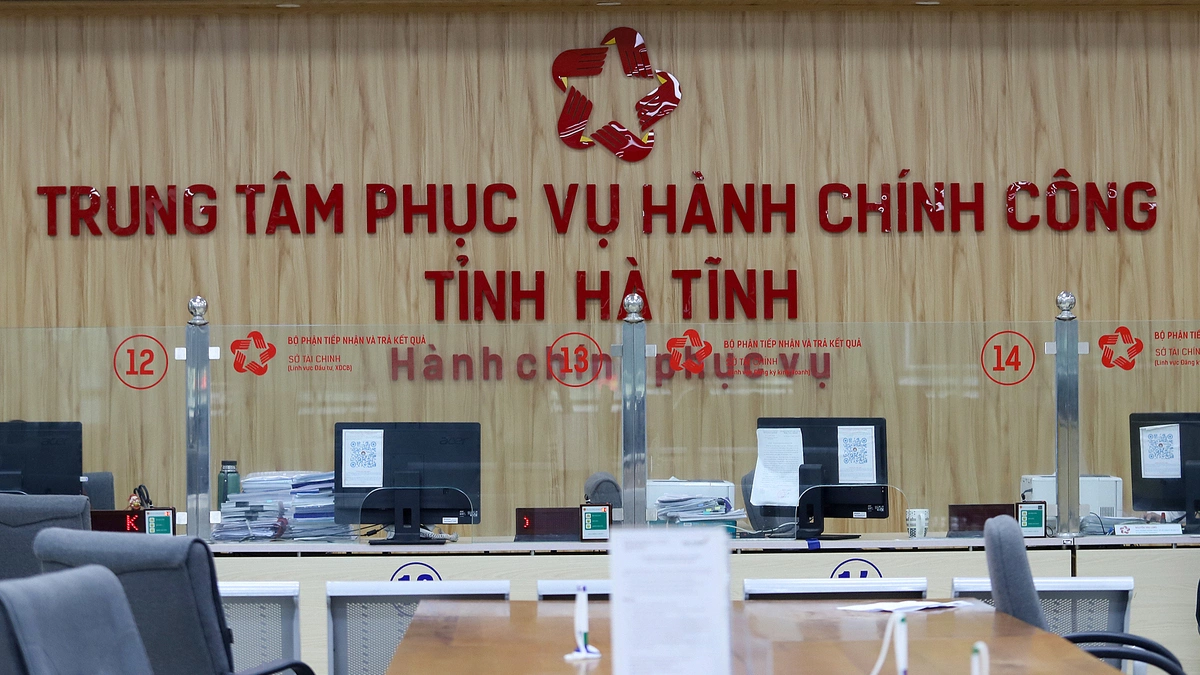
この政令は、公務員の家族の行動まで責任を問うという点で、社会的な影響が大きい。管理職の公務員は、自身の行動だけでなく、家族の行動にも注意を払う必要が生じる。これは、公務員の家族生活にも一定の制約をもたらす可能性がある。一方で、国民は公務員の倫理観向上への期待を高め、不正に対する監視を強める可能性がある。特に、ハティン省の行政サービスセンターでの事例のように、公務員の不正が地域社会に与える影響は小さくない。

市民の声

市民の視点からは、この政令は公務員の不正に対する期待を高めるものだ。これまで家族の行動まで責任を問われることは稀であったため、管理職の公務員はより慎重な行動をとることが求められる。これは、市民が公務員に対してより高い倫理基準を要求するきっかけとなりうる。また、地方の住民は、公務員の腐敗が公共サービスに与える悪影響を直接経験しているため、この政令が実質的な改善につながることを期待するだろう。

背景・歴史的文脈

ベトナムでは、共産党一党体制の下、公務員の倫理規定や不正防止策は継続的に強化されてきた。特に、2016年以降、党中央による反腐敗運動が活発化し、高官を含む多くの幹部が摘発されている。今回の政令は、その延長線上にあり、公務員の不正行為だけでなく、その家族の不正行為に対しても責任を問うことで、より広範な抑止効果を狙っている。これは、国民の信頼を得て、社会の安定を維持しようとする政府の強い意志の表れである。

原文ソース

VnExpress

原文を読む