General articles are free for 24 hours after publish.
Thailand's Regional Airline Seat Ranking Dips to Third
Thailand's regional airline seat capacity has fallen for the second consecutive month, dropping to third place as Vietnam claims the second spot due to growing demand and development. The domestic aviation sector is impacted by rising fuel prices.
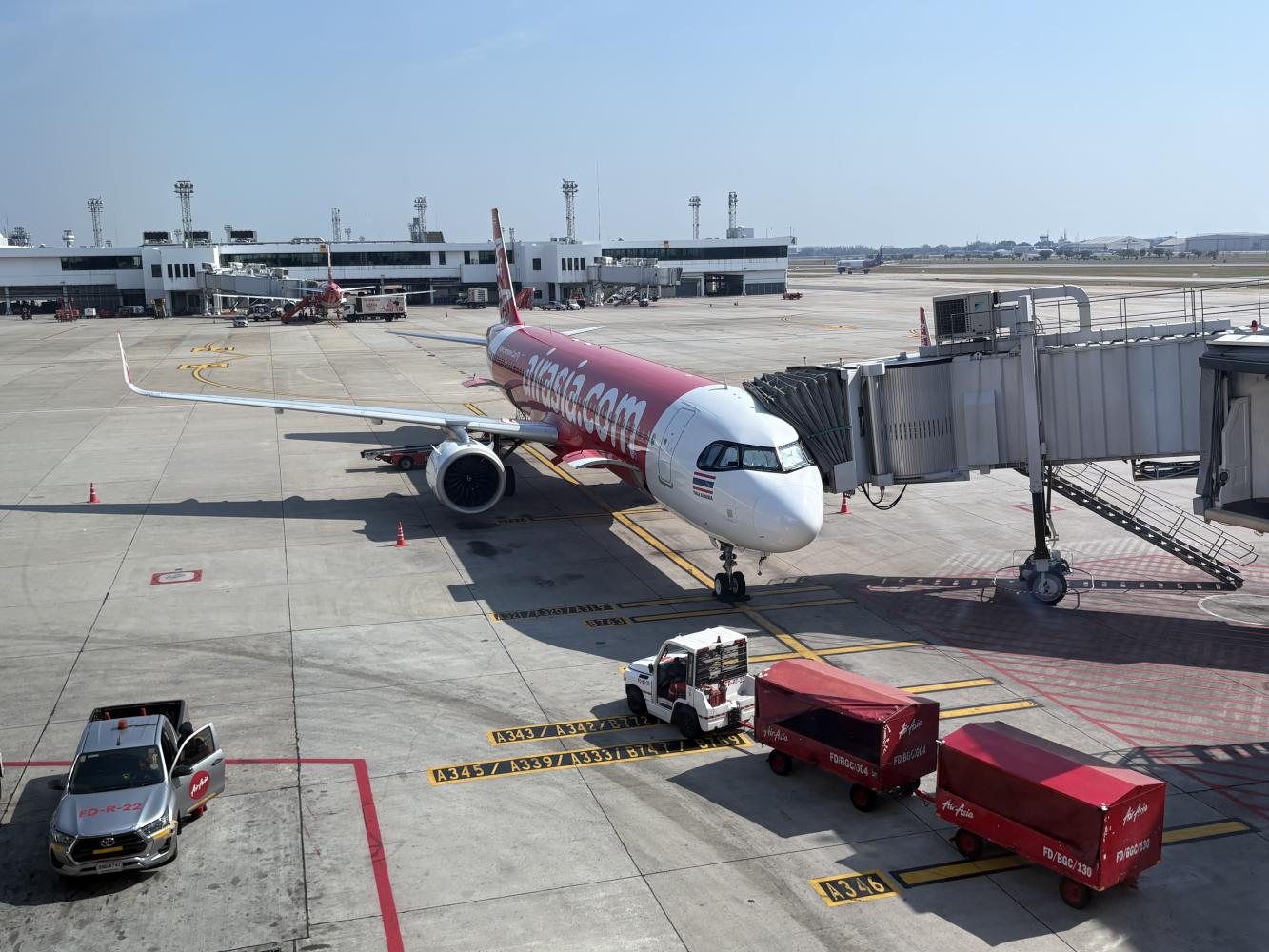
Thailand's regional ranking for airline seats fell to No.3 for the second consecutive month due to massive flight cuts, with Vietnam claiming No.2 as demand grows. According to the August report conducted by OAG, an aviation intelligence and analytics company, Vietnam secured the fastest growth rate in Southeast Asia for flight capacity. With a 10% rise year-on-year to 7.27 million seats, Vietnam was second for another month after surpassing Thailand in July. In terms of total seats, Vietnam's domestic flight capacity surged by 13.8% year-on-year to more than 4.7 million seats. Thailand's total capacity dipped by 1.7% to 7.19 million seats, while Indonesia remained No.1 with 11 million seats, increasing 4.3% year-on-year. In terms of airport capacity, Bangkok's Suvarnabhumi remains the third-busiest airport in the region with 3.22 million seats, up by 1%, following Singapore and Jakarta, with 3.64 million seats and 3.32 million seats respectively, according to OAG. However, Don Mueang airport reported a sharp decline of 7.5% to 1.52 million seats in August, as low-cost carriers based there such as Thai AirAsia slashed capacity by 23.4% year-on-year to 1.44 million seats this month. Patsee Permvongsenee, executive director for Asean, South Asia and South Pacific at the Tourism Authority of Thailand, said the ranking could reflect growing travel demand in Vietnam, which has large airports to serve passengers across the country. Vietnam tourism operators usually book seats with airlines in bulk, as well as offering joint promotions together, which help quickly fill up capacity. She said newly promoted destinations such as Da Nang and Phu Quoc Island can attract more direct flights, allowing tourists to visit them without relying on transit hubs at major airports, unlike Thailand, which is dependent on two major airports in Bangkok. To travel to other provinces, most tourists still have to connect via those two hubs in Bangkok. However, Mrs Patsee said Thailand still has an advantage in accommodating more airlines globally. The Thai government is also developing new airports such as U-tapao and Hua Hin to facilitate travel, she said. Vichai Sahassapol, vice-president of the Association of Thai Travel Agents, said Vietnam is quickly developing new attractions and infrastructure to compete with Thailand, which remains at a slower pace. The country is perceived as a fresh destination among foreigners, compared with Thailand, which still relies on existing resources. Vietnam's strong GDP growth and investment boom also draw foreigners and investors to the country, benefiting the aviation and tourism industries, said Mr Vichai. According to OAG, Southeast Asia accumulated a total seat capacity of 51 million in August, rising by 0.8% year-on-year, 56% of which were international capacity or around 28.5 million seats. Mainline carriers still hold the largest capacity in the region at 56%, growing 5.9% year-on-year. Meanwhile, low-cost capacity contracted by 4.9% year-on-year to 22.5 million seats, led by Thai AirAsia (-23.4%) and AirAsia (-17%), reducing its share to 44% from 47%. Thai AirAsia announced it was cutting 30% of flight capacity in May and June to mitigate the impact of surging fuel prices due to the prolonged Middle East conflicts.
Original source
Bangkok Post